




The Nigerian University System (NUS) is being transformed to produce not just graduates, but problem-solvers, innovators, job creators, and global competitors. This will be achieved through the National Science, Technology, Engineering, and Mathematics (STEM) Transformation Strategy for Nigerian Universities, which will be implemented by the National Universities Commission (NUC).
The Executive Secretary of the NUC, Prof Abdullahi Yusufu Ribadu, made this disclosure recently, during the inauguration of the Blueprint ICT Development STEM Transformation Strategy Committee in Abuja. He added that this project aligns with Nigeria’s national development priorities, global best practices, and will enable the universities to remain relevant, competitive, and responsive to industry needs.
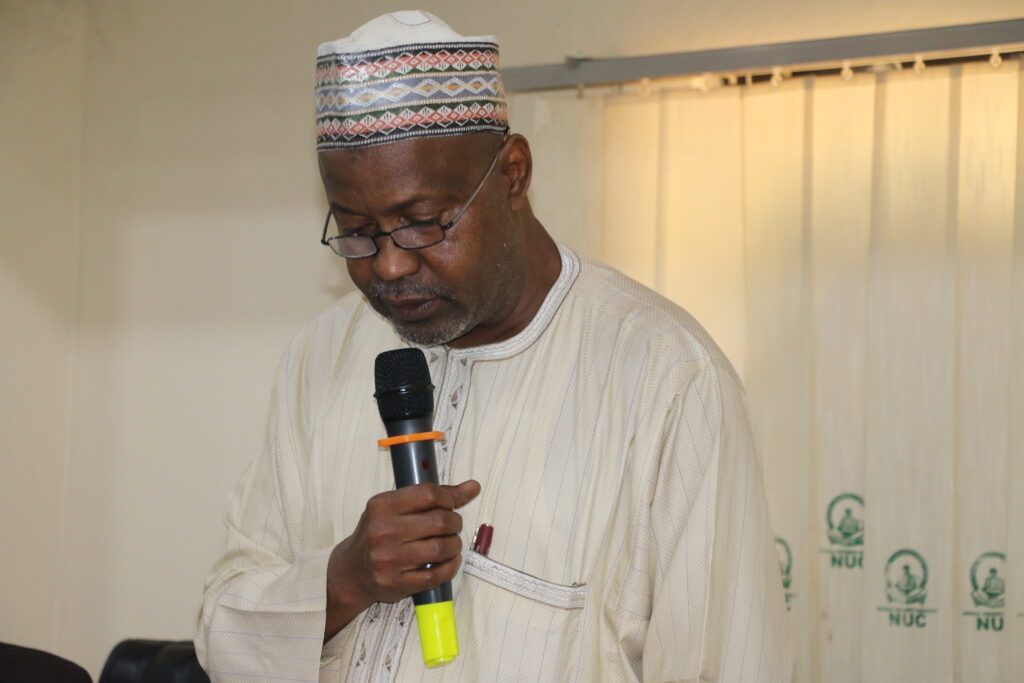
Prof Ribadu emphasised that nations that have made remarkable progress in economic growth, industrial development, and technological advancement have done so on the strength of their investments in STEM education. From innovation ecosystems in advanced economies to emerging digital hubs in developing nations, the foundation remains the same: a robust, forward-looking higher education system anchored in science, technology, engineering, and mathematics.
Describing the Committee’s task as not merely advisory but transformational, he urged them to examine existing frameworks critically, identify systemic gaps, and propose actionable recommendations that will position universities to meet the demands of contemporary society.
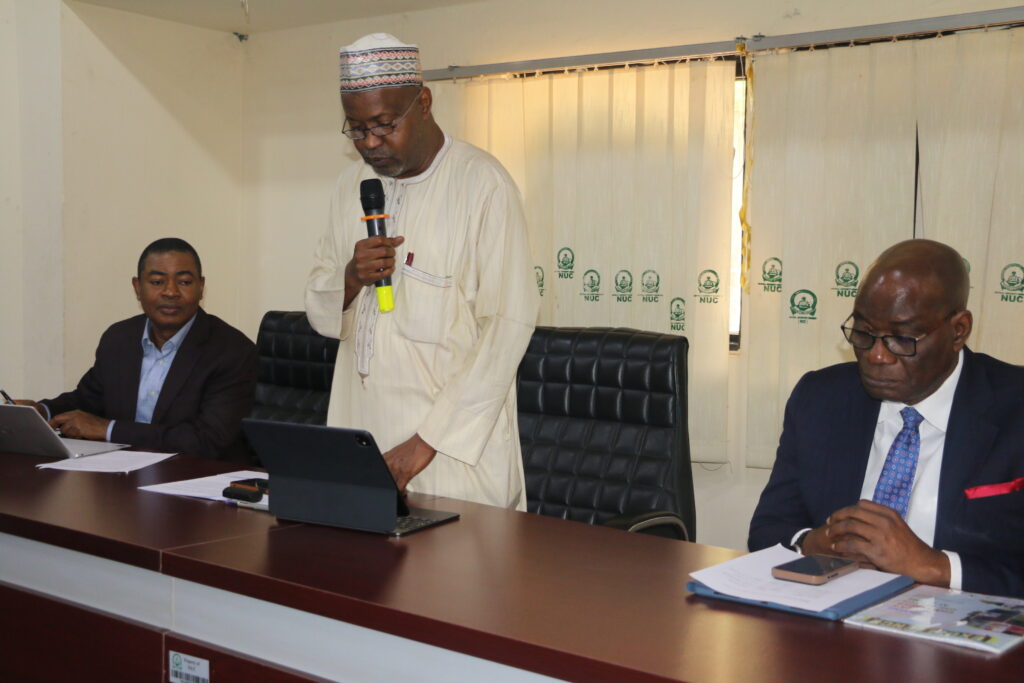
“It is in recognition of this pivotal role that the NUC, as part of the ongoing effort at repositioning the NUS for excellence, national relevance and global competitiveness, deemed it appropriate to constitute a STEM Transformation Strategy Committee comprising reputable academics.
“Distinguished members, your selection to serve on this Committee is a testament to your expertise, integrity, and commitment to national development. The future of our young scientists, engineers, technologists, and innovators depends significantly on the quality of the frameworks you will help design”, he said.
The committee’s Terms of Reference are to: Design and formulate a STEM Transformation Strategy for the Nigerian University System; Develop a medium to long-term strategic plan for the Commission to implement the STEM Transformation Strategy aimed at enhancing STEM education with particular focus on encouraging female participation; Development and implementation of a Labour Market Observatory (LMO) to provide accurate data and timely information on the evolution of jobs and employment needs of industry; Review and shortlisting of proposals from beneficiary universities to serve as pilot institutions on the implementation of the STEM strategy; Monitor the implementation of the strategic plan.

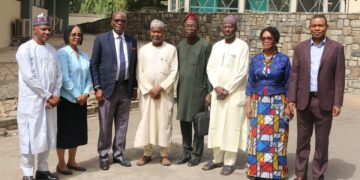
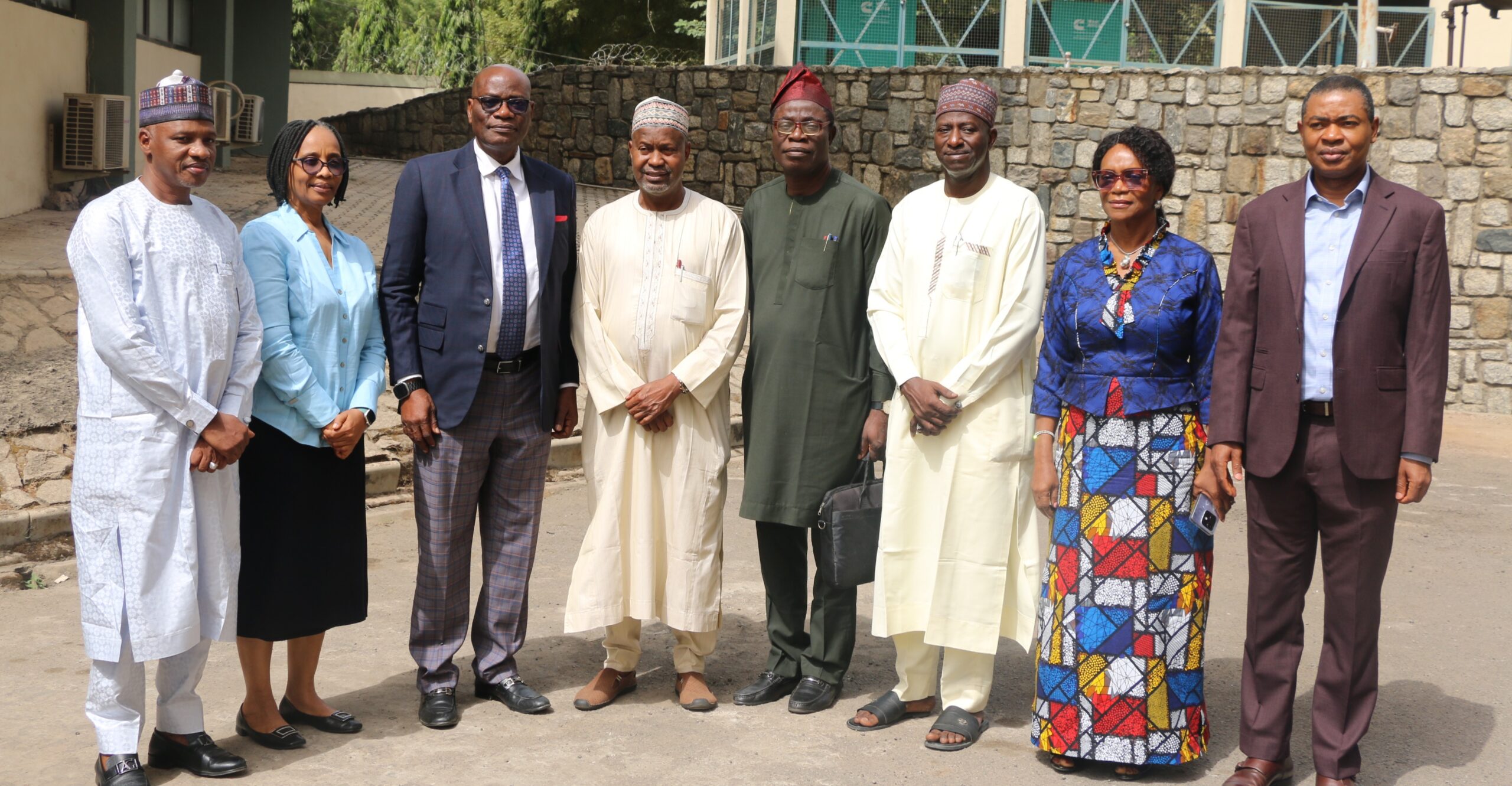
The Committee, which will be chaired by Professor Oluwatoyin Ogundipe, also has Professor Emmanuel Achor, Professor Bashir Aliyu, Professor Adamu Muhammad Alkali, Professor Edu James Inam, and Professor Stella Ngozi Nwosu as members.
Recalling all the efforts and activities, especially of Prof Ribadu, culminating in the project and selection of committee members, Director, Special Projects of the NUC, Dr Joshua Atah appreciated the Executive Secretary for pioneering a new trend in the NUS and allowing his directorate to host the committee’s secretariat.
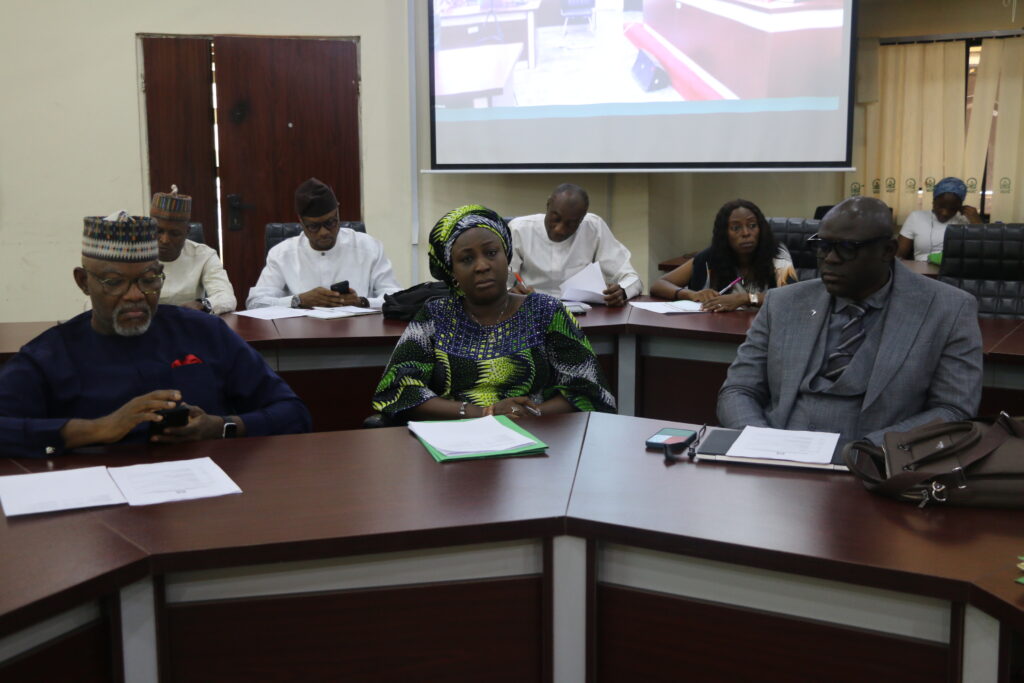
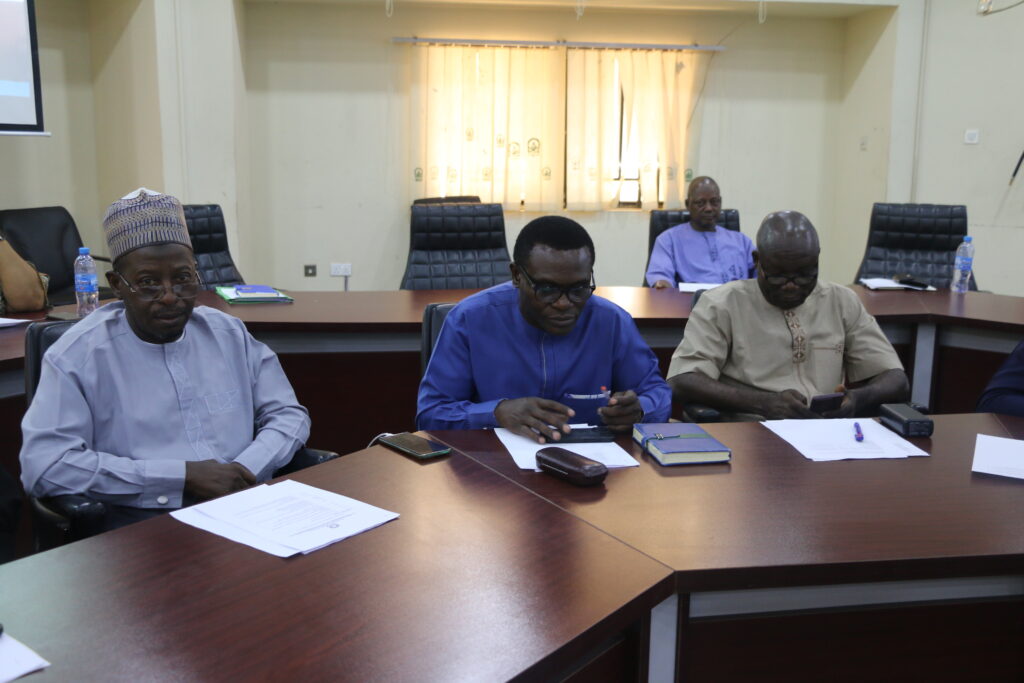
In an acceptance remark, the Chairman of the committee, Professor Oluwatoyin Ogundipe, said he accepts the responsibility with humility and a strong commitment to advancing the shared vision of integrating ICT into STEM education for the benefit of students, faculty, and the wider academic community.
According to him, the committee’s work is pivotal in shaping the future of our institutions, ensuring that programmes remain innovative, relevant, and aligned with global standards.
“On behalf of the members of the committee, we look forward to collaborating with each of you, drawing on your expertise and insights to develop a comprehensive and impactful blueprint.
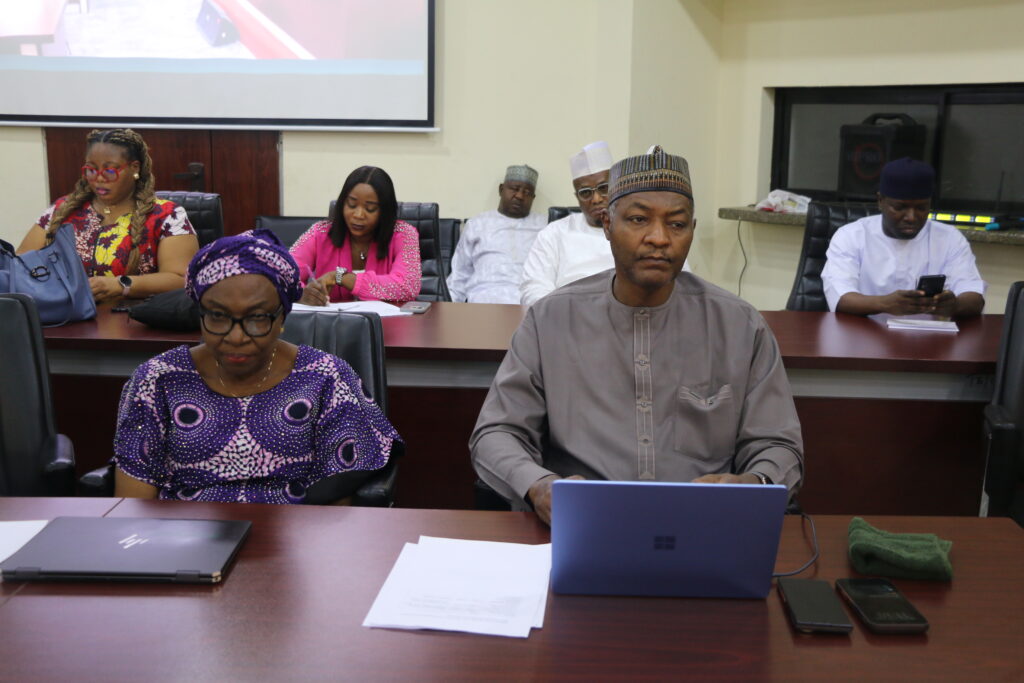
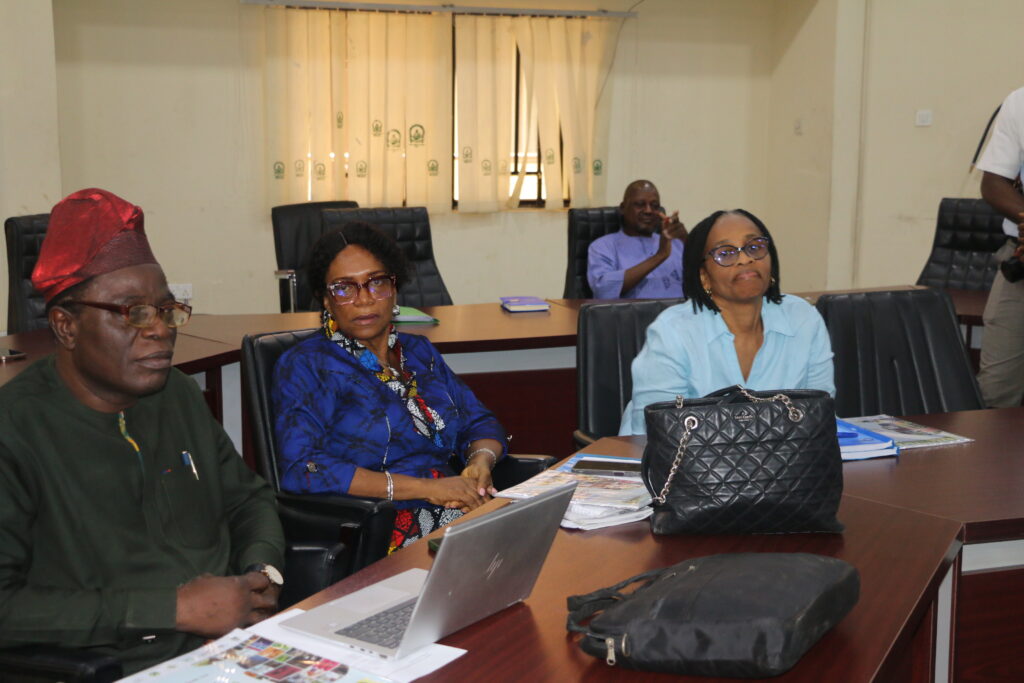
Together, we will strive to create a framework that not only enhances teaching and learning but also fosters research, innovation, and industry partnerships. I am confident that with our collective dedication, we will make significant strides in positioning our universities as leaders in ICT-driven STEM education,” he said.