




By Uche Michael Aondohemba
The World Bank-supported Sustainable Procurement, Environmental and Social Standards Enhancement (SPESSE) project has unequivocally stamped its impact on the operations of public and private sectors in Nigeria, and this is bound to endure.
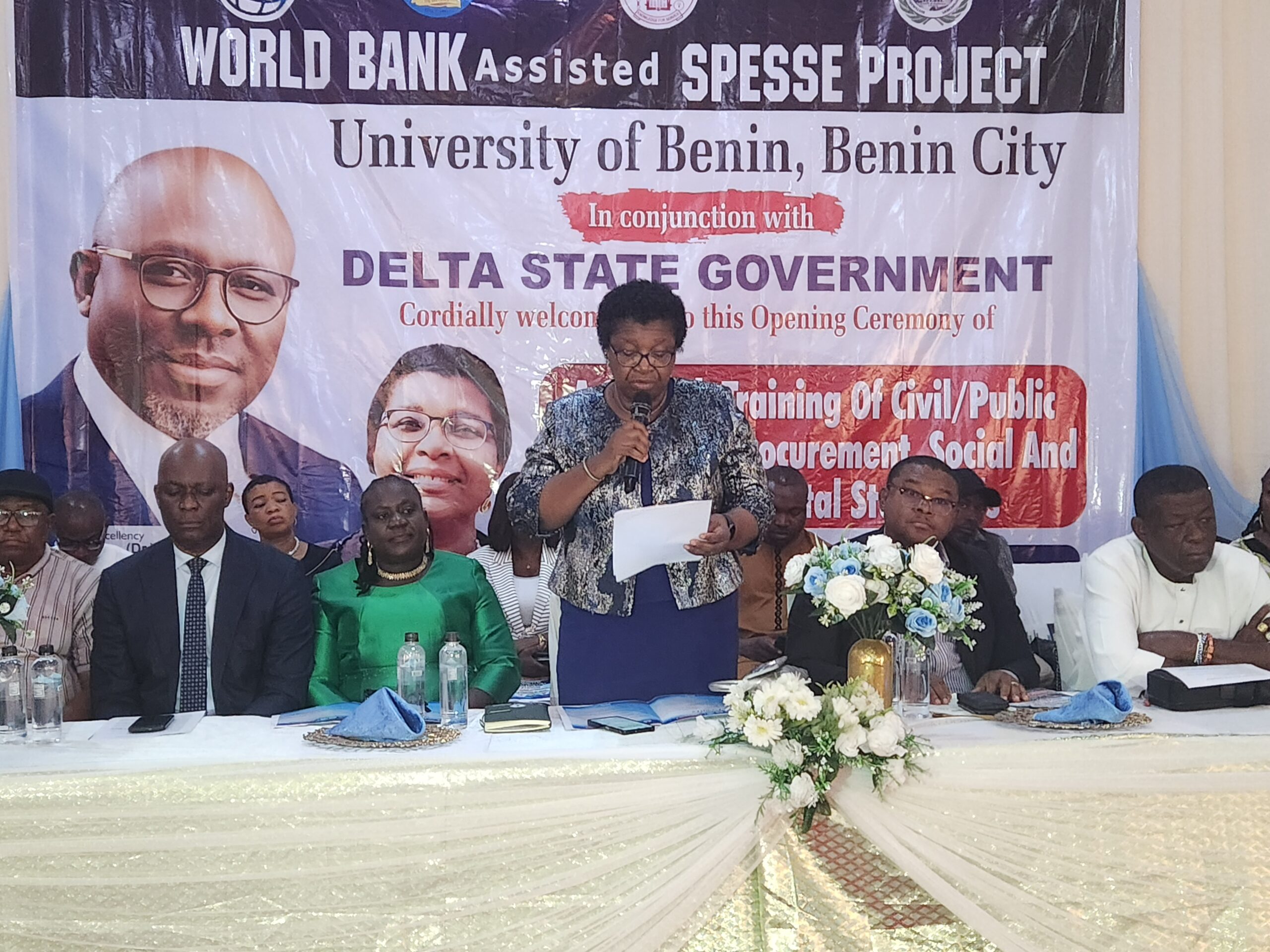
Dedicated to building sustainable human capacity development in the areas of procurement, environmental and social standards, the SPESSE project, which is a remarkable initiative of the Federal Government of Nigeria, the World Bank and the National Universities Commission (NUC), has continued to bridge the gap between the insufficient supply of quality professionals and the lack of specific academic programmes in these areas through coordinated training programmes anchored by six Centres of Excellence (CEs) situated in Universities across the geopolitical zones of Nigeria.
In line with the SPESSE Project Development Objective (PDO), which hinges on developing sustainable human capacity in managing procurement, environmental and social standards in both public and private sectors in Nigeria, the project has paved the way for positive changes and uninhibited growth of individuals and organisations in various spheres of life and sectors.
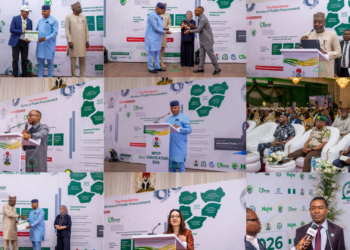
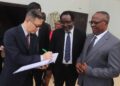
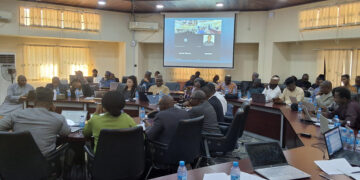
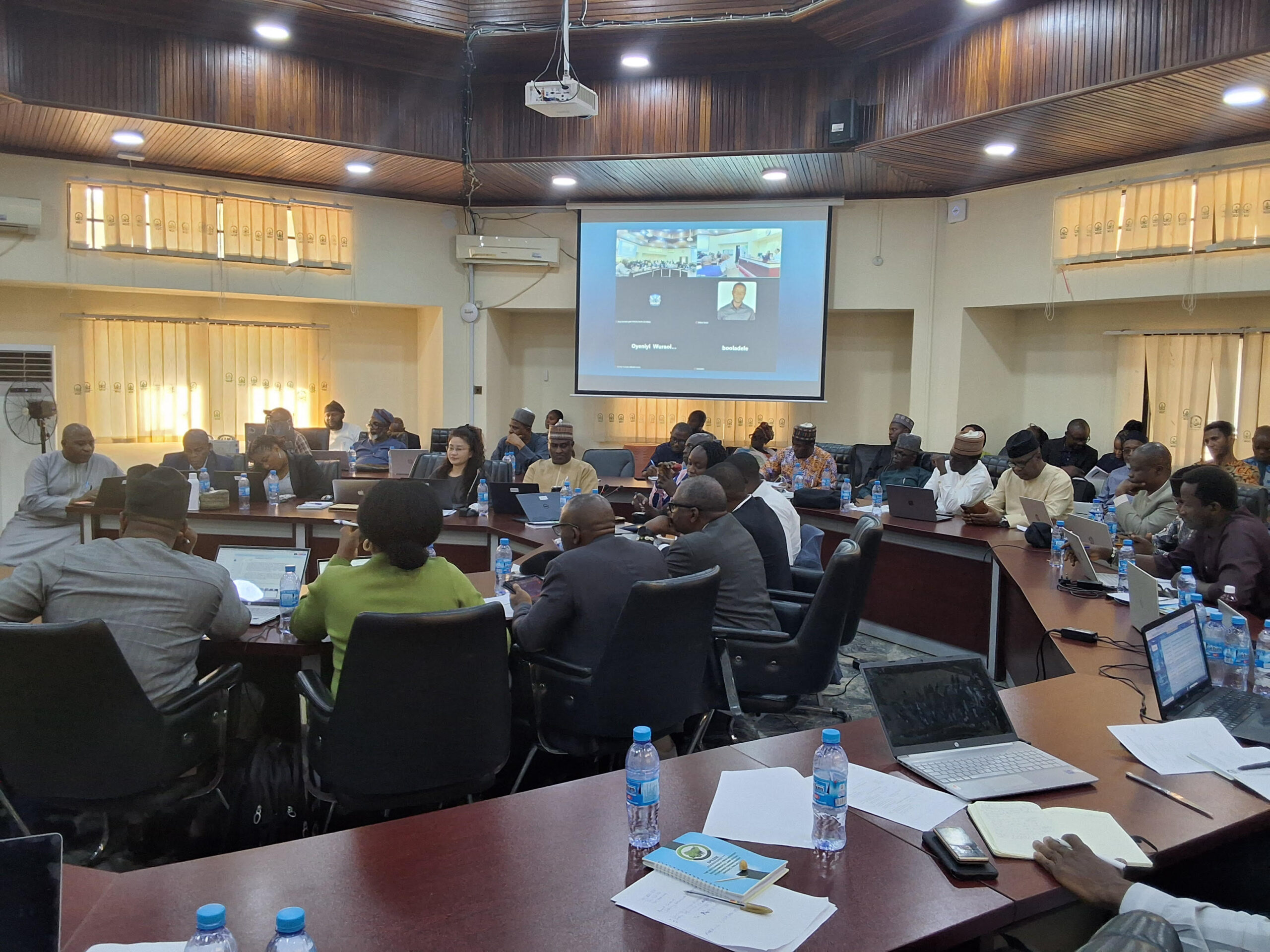
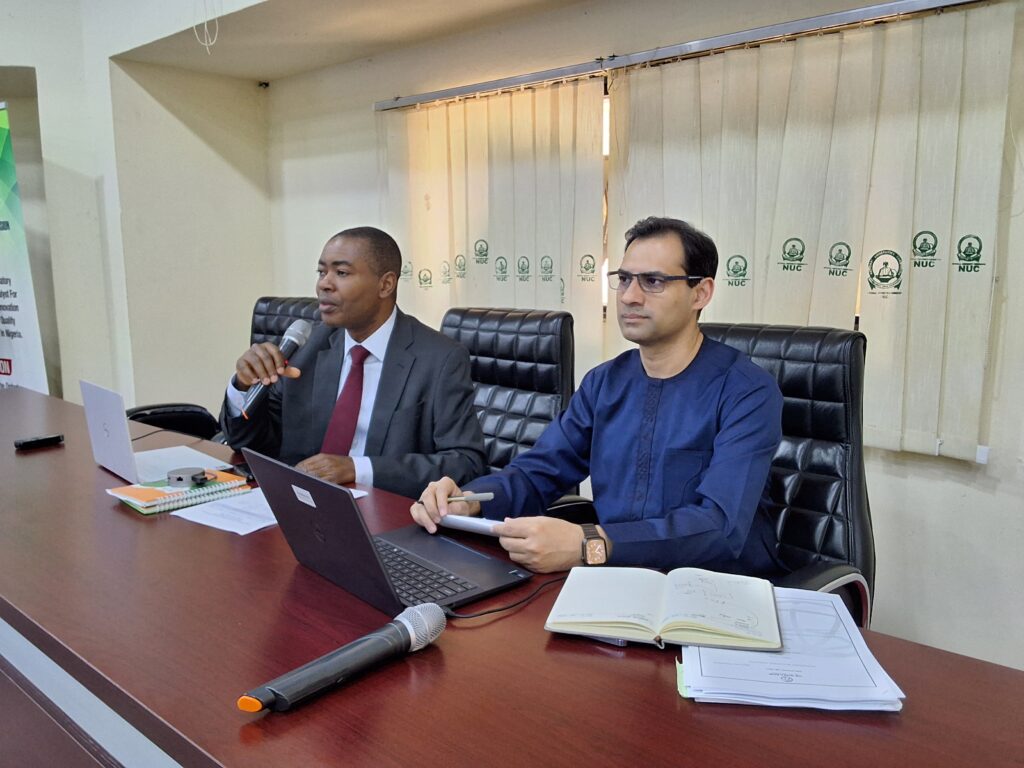
Recently, the World Bank organised an Implementation Support Mission (ISM) with clear objectives to assess implementation progress towards the Project Development Objective (PDO), review the status of ongoing and remaining project activities of the Original Financing, and discuss project closing protocols, the work plan for project activities under the Additional Financing (AF), and agree on implementation actions and milestones for the next six (6) months. The mission team was led by the World Bank Task Team Leader, Ishtiak Siddique and the National Project Coordinator, Dr Joshua Atah, of the NUC.
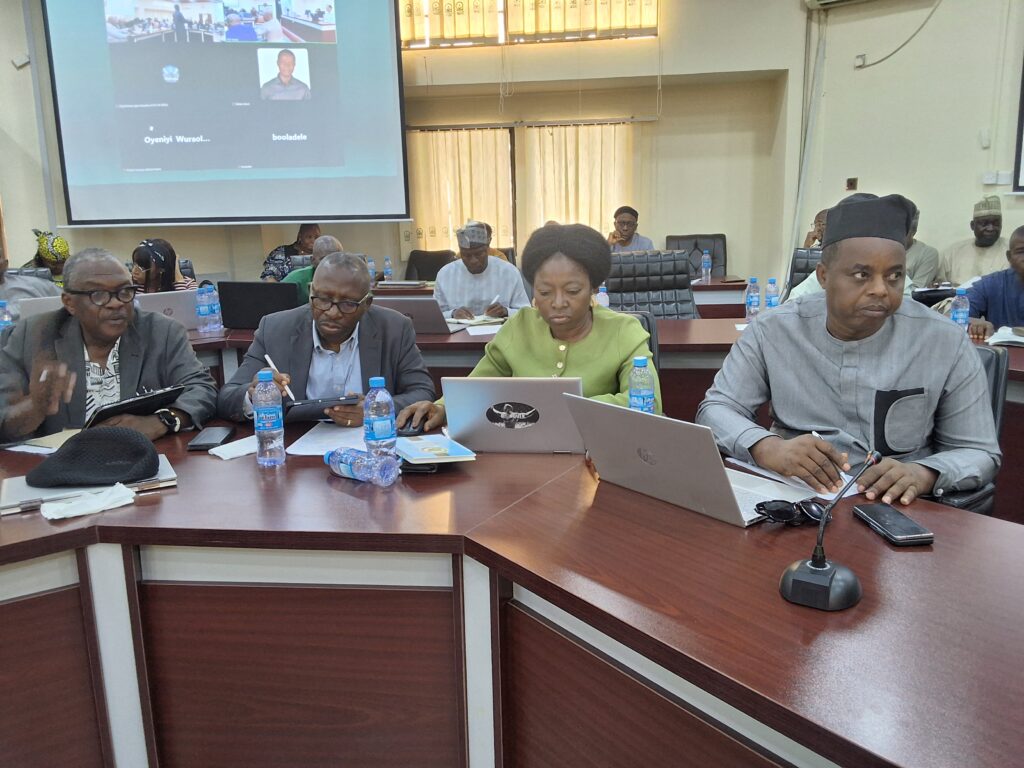
The mission’s Aide Mémoires indicated significant progress since the last ISM. It revealed that all four PDO indicators for the project have been successfully achieved, and the overall Project Implementation Progress (IP) has been rated by the Bank as Satisfactory. This was after the conclusion of verification for the period of January 1–June 30, 2025. The IVA confirmed that 12 out of 18 Performance Based Conditions (PBCs) have been met or surpassed. Five additional PBCs are scheduled for completion by June 30, 2026, with a good deal of remaining targets aligned with the project’s conclusion.
The mission engaged with key national and state-level partners, including SPESSE’s National Facilitation Implementation Unit (NFIU) at the National Universities Commission (NUC), the Bureau of Public Procurement (BPP), the Federal Ministry of Women Affairs (FMWA), the Federal Ministry of Environment (FMEnv), and the Federal Ministry of Finance (FMoF), which represents the Federal Government of Nigeria. It also reviewed the operations of the six Centres of Excellence (CEs): Ahmadu Bello University in Zaria, Abubakar Tafawa Balewa University in Bauchi, Federal University of Agriculture, Makurdi, Federal University of Technology, Owerri, University of Benin in Benin City, and the University of Lagos. Presentations from the CEs and IAs focused on results achieved, Project Development Objective (PDO)-related targets, international accreditations, DLIs, and the number of students sent on exchange programmes by CEs, as tracer studies further confirmed the overwhelming impact of the SPESSE project from inception to date.
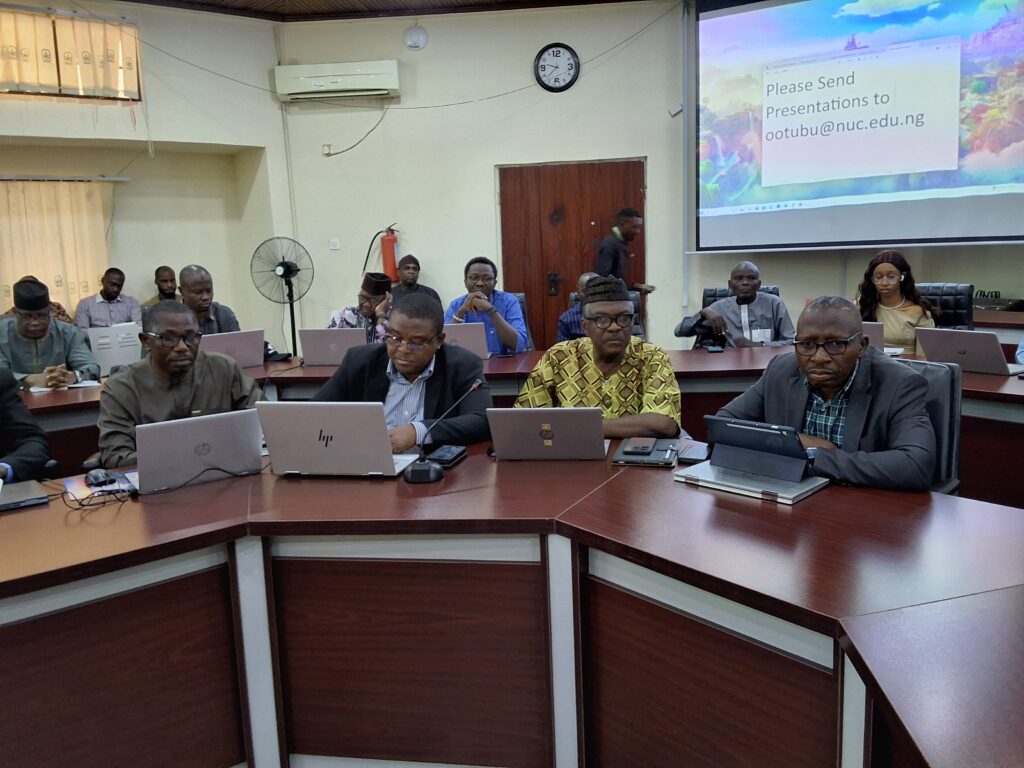
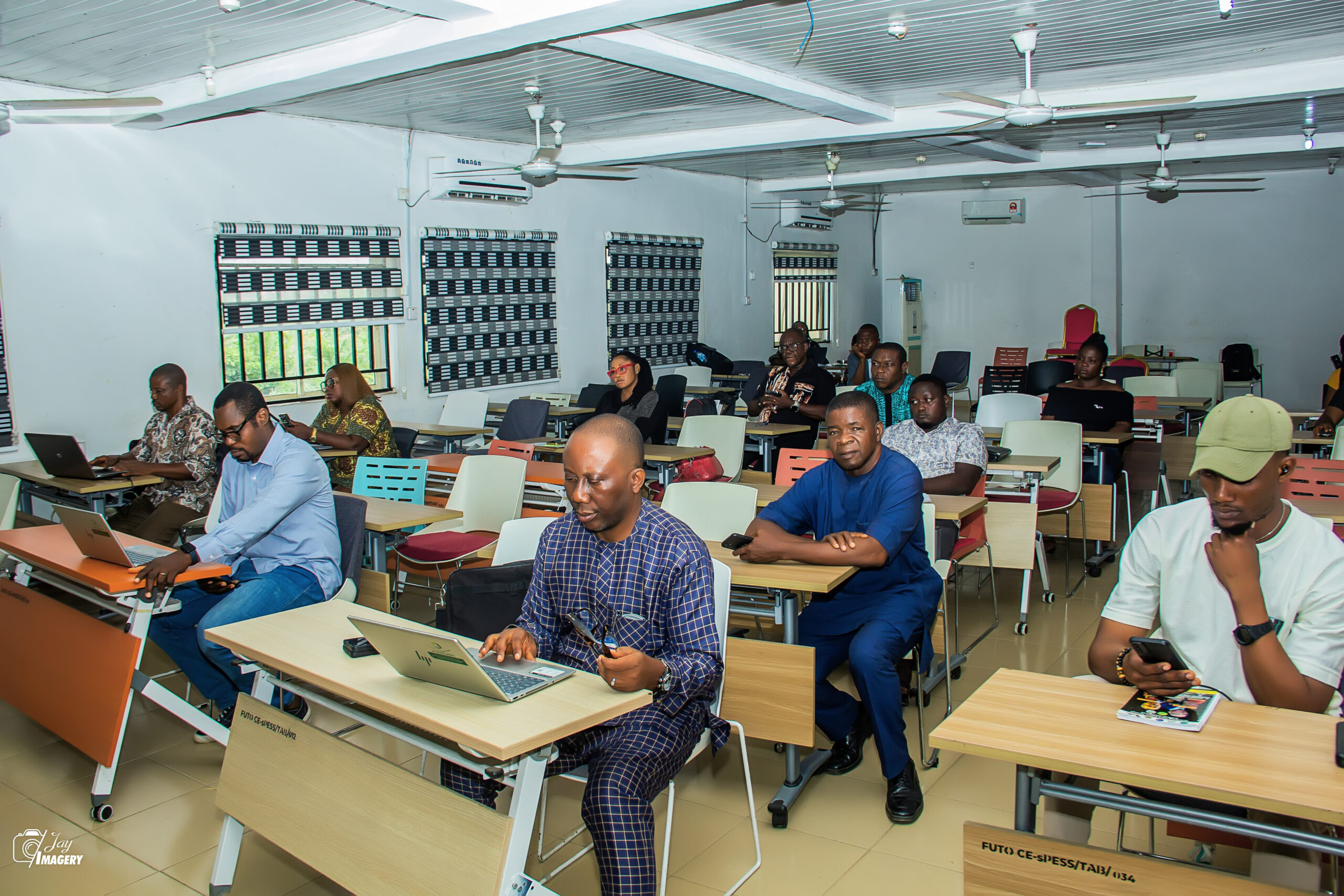
Notably, the SPESSE programme has reached a significant milestone in certifications, as the procurement, environment, and social nodes formally launched professional certification tests between April and June 2025 via online portals. So far, 3,429 people have passed. Of those, 2,121 passed in Procurement, 855 passed in Social Safeguards, and 453 passed in Environmental Safeguards. This is just a fraction of the over 85,000 participants trained across the six Centres of Excellence’s programmes (Tracks A-E).
Not even the COVID-19 pandemic, which affected the early commencement of the SPESSE project, could hinder the actualisation of tremendous milestones. The unflinching efforts of IAs and CEs have made SPESSE one of Nigeria’s high-flying projects with an overall rating of satisfactory. This rating is uncommon at this stage of implementation among funded projects. This was confirmed by the Director, International Economic Relations Department (IER), FMoF, Mr Stanley Nyeso George. He praised the NUC under the leadership of its present and past Executive Secretaries, as well as Dr Atah, for this profound success. Centre Leaders and their committed team members were not left out of this shower of praise.
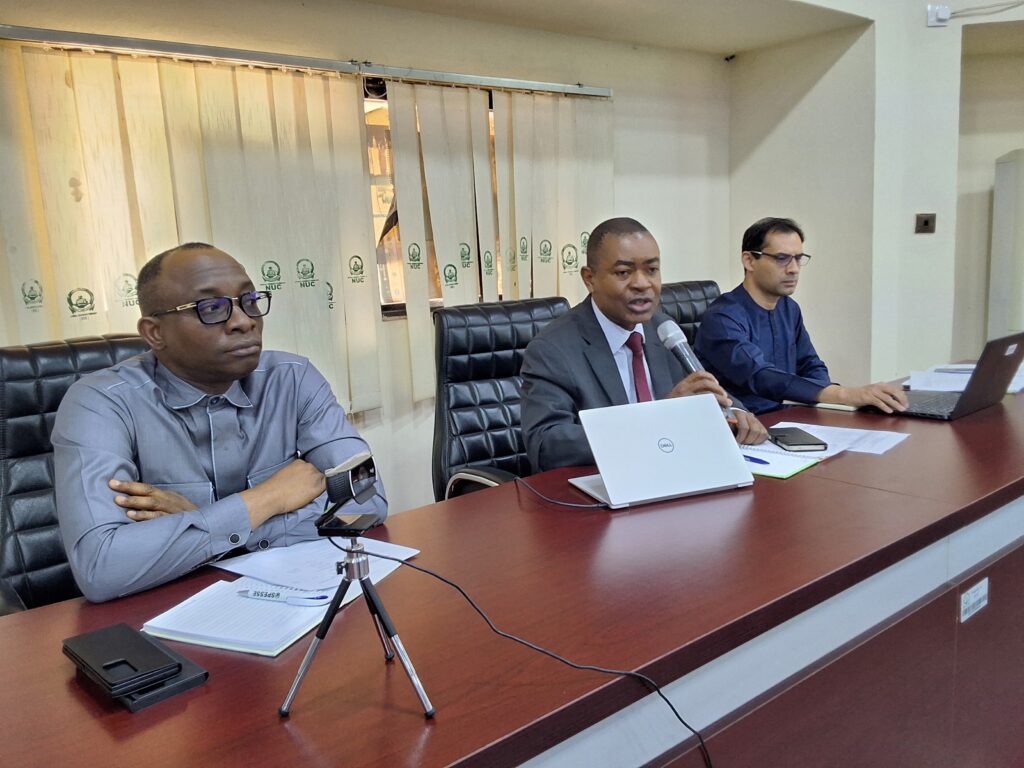
In keeping with her pledge to assist IAs and CEs in achieving their goals, the World Bank announced the approval of Additional Financing (AF), which will fund the project till June 2026. This is in response to improved outcomes in accordance with the Project Development Objective.
Overall, the SPESSE project underscores Nigeria’s commitment to sustainable procurement, social, and environmental governance. With robust participation from national agencies, Universities, and the World Bank, the programme stands at a pivotal moment and will leverage the AF to deepen procurement reform, scale online training, and drive the project in a manner that ensures lasting impact for Nigeria’s public sector, businesses, and communities.
Meanwhile, IAs and CEs remain focused on translating ambitious targets into actionable outcomes, ensuring that the gains in training, certification, and governance translate into more transparent, efficient, and inclusive public procurement in Nigeria.