









The Federal Government of Nigeria has reaffirmed its commitment to ensuring the success of the proposed ACE Innovate project. It promised the provision of the necessary policy support, coordination, and oversight to guarantee that the objectives are not only realised but sustained in the overall interest of the country.
Honourable Minister of Education, Dr Maruf Tunji Alausa, made this known recently when a team from the World Bank and Agence Française de Développement (AFD), Association of African Universities (AAU) and the National Universities Commission (NUC) visited his office during the just-concluded in-country consultation. The meeting was geared towards seeking stakeholders’ opinions and thoughts on the design and mode of execution of the proposed African Centres of Excellence for Innovation and Economic Growth (ACE Innovate) project.
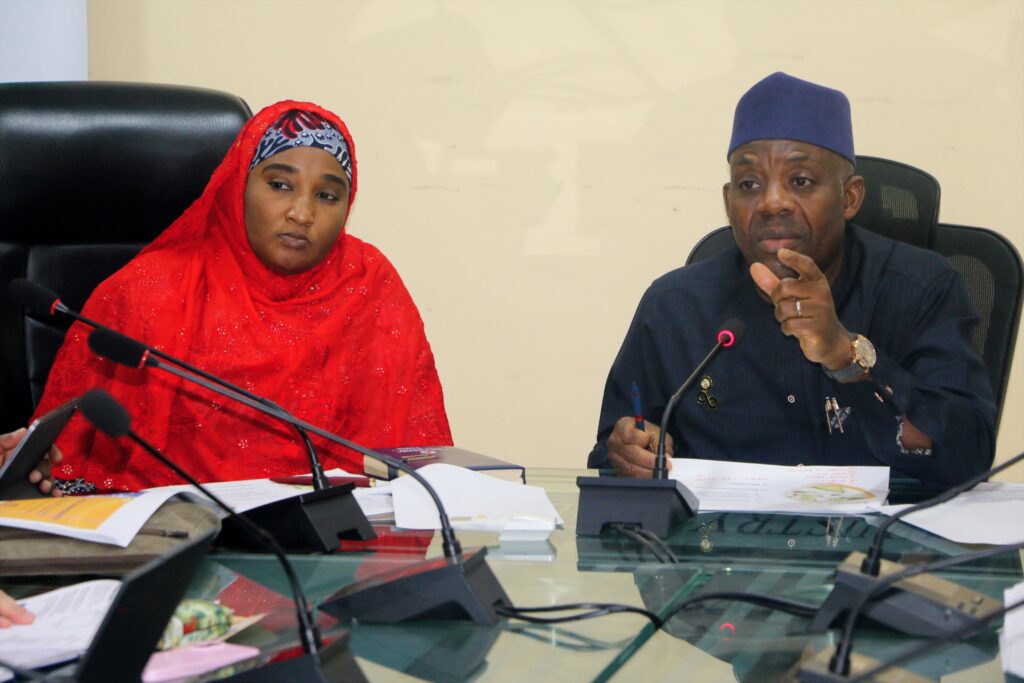
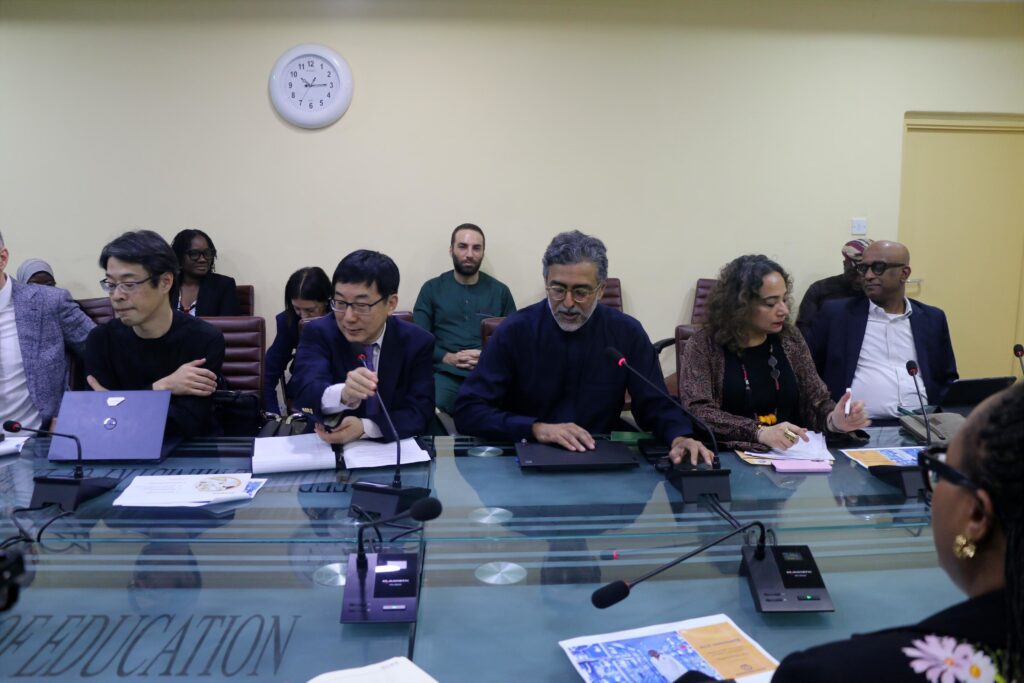
The three-day consultation, which held in both Abuja and Lagos, Nigeria, had the team meeting with the Honourable Minister of Education, other public and private sector stakeholders, as well as Leaders of existing Africa Centres of Excellence (ACE) from earlier phases of the Project, Rectors of Polytechnics and Provosts of Colleges of Education.
Dr Alausa, who described the project as a critical initiative supported by the World Bank and implemented by the Government of the Federal Republic of Nigeria said it is a re-imagining of the ACE Model to respond to Africa’s skills and jobs agenda, which will be expanding the ACE Model for greater impact, while sustaining cutting-edge research and innovation in Nigeria’s higher education landscape.
While appreciating the World Bank and the AFD for their continued partnership and unwavering support toward Nigeria’s development aspirations, he said this collaboration once again demonstrates shared commitment to inclusive growth, poverty reduction, and sustainable development.
“One of the most remarkable achievements of the ACE Project in Nigeria is its contribution to the internationalisation of education. Available records reveal that the Nigerian ACEs have attracted students and faculty from across Africa, fostering cross-border knowledge exchange and positioning Nigeria as a regional hub for excellence. This aligns with our broader agenda to integrate Nigeria into global education data systems, ensuring that our institutions are recognised and ranked among the best worldwide.
“The ACE Project has, therefore, positioned Nigeria not only as a consumer but also as a provider of high-quality transnational education, and through the ACE Innovate, our Centres can continue to forge stronger partnerships with leading institutions worldwide, promoting joint degrees, faculty exchanges, and collaborative research that benefit students and faculty alike. To remain competitive, however, we must continue to benchmark our systems against global standards, leveraging robust data to guide policy, planning, and performance improvement’’, the Minister reiterated.

He said: “The ACE Innovate Project strategically aligns with the priorities of the Renewed Hope Agenda and our national development frameworks. It is designed to address key challenges in the areas of education, health, energy, agriculture, social protection, infrastructure, youth empowerment, etc., with a strong focus on delivering measurable impact to our people, particularly the most vulnerable.
“Through this project, we aim to improve service delivery, enhance accountability, create jobs and promote innovation at all levels of implementation—federal, state, and local.”
Describing the proposed project as a milestone in the collective efforts at repositioning the Nigerian University System (NUS) for excellence and global competitiveness, the Executive Secretary, National Universities Commission, (NUC), Prof. Abdullahi Yusufu Ribadu at a separate meeting affirmed the commitment and determination of the Commission, as the sole regulator of university education in Nigeria, to ensuring the development of institutions’ capacity to effectively respond to national development needs.

According to him, the ACE Innovate project will promote academic excellence, research innovation, institutional governance, and capacity development, and suitably aligns with Nigeria’s national development agenda.
“The project is particularly apt and timely because it is carefully designed to address critical challenges confronting our great country, including unemployment, poverty, food insecurity, and infrastructural deficit, among others, arising largely from skills gap and limited research output to the need for stronger linkages between academia, industry, and society. There is, therefore, no gainsaying that this initiative provides Nigeria with ample opportunity to reclaim its place in the comity of nations”, he added.
The National Coordinator of the ACE projects, Dr Joshua Atah, emphasised that though the nation has made a lot of progress during the ACE 1 and ACE-Impact projects, all stakeholders must now be conscious of the sustainability of the gains as Nigeria continues to set the pace in the number of Centres and impact on the university system.
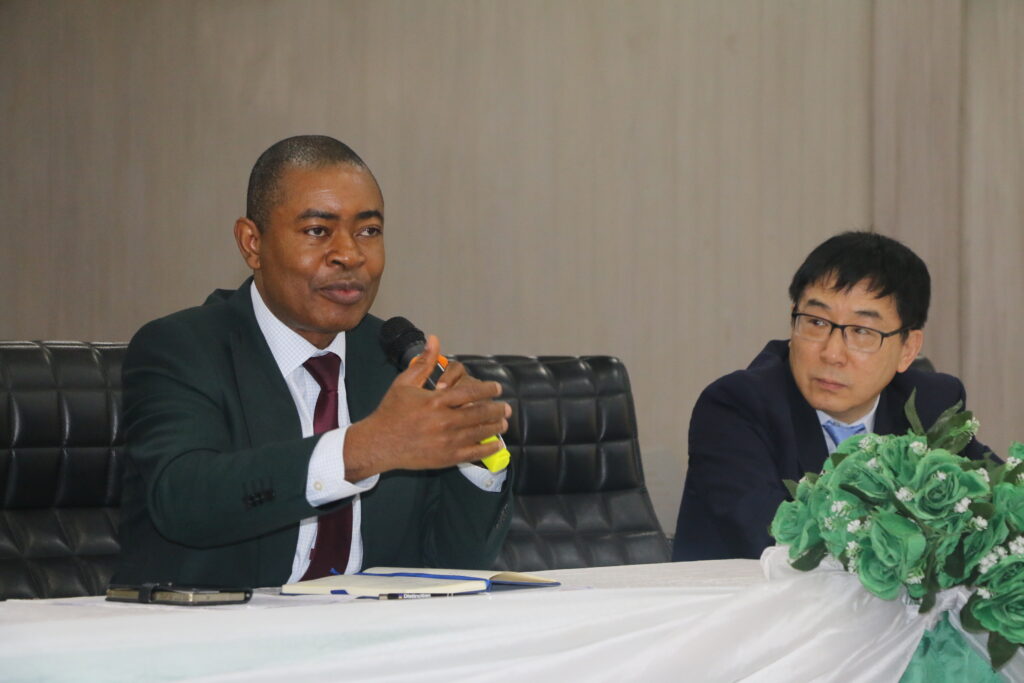
“This project is targeted at strengthening the skills of graduates to be industry-ready, job creators rather than job seekers”, he explained.
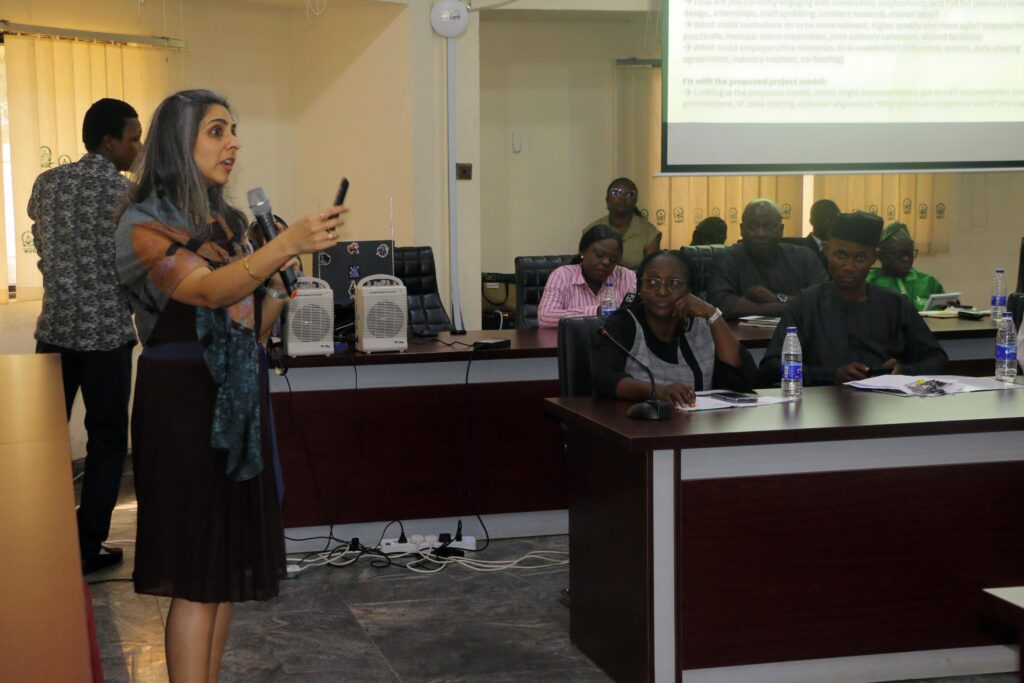
In a remark, World Bank Practice Manager, Ms Scherezad Latif, described the consultation as a critical step in ensuring collective ownership and impact of the project.
According to her, achieving transformation at scale will require moving beyond business as usual and adopting new and innovative approaches. As a result, several approaches have been embedded in the ACE Innovate design, thereby welcoming feedback from stakeholders in order to strengthen the programme further.
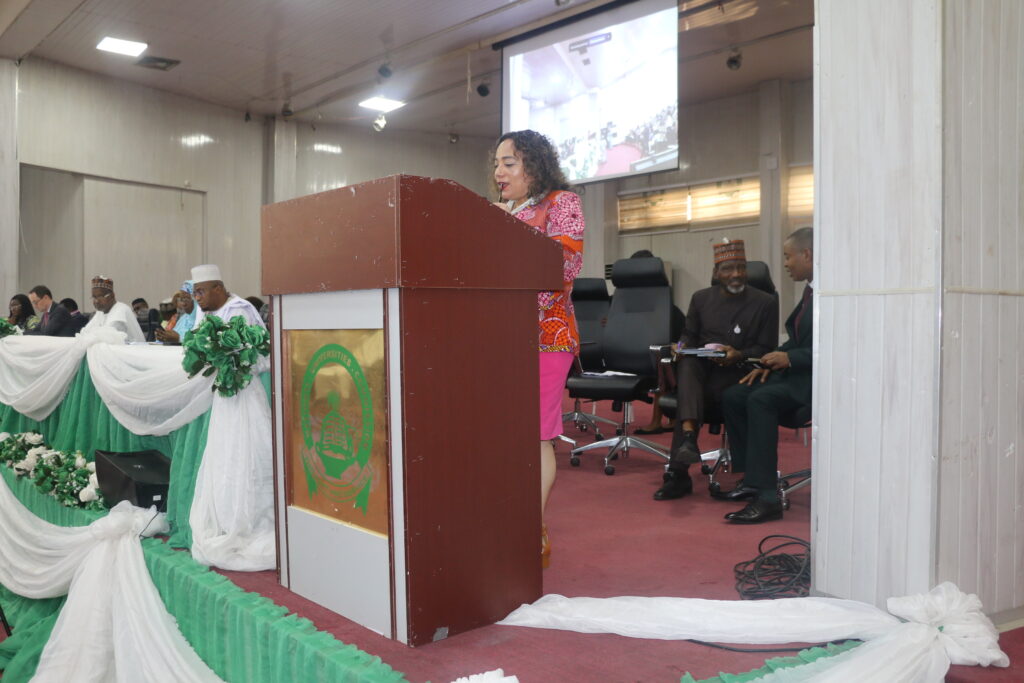
She said: “The World Bank reaffirms its commitment to advancing skills, innovation, and higher education for sustainable growth and job creation in Nigeria and Africa. Through ACE Innovate, we hope to collaborate with you to further strengthen centres of excellence that shape the next generation of African leaders, innovators, and changemakers.
“ACE Innovate builds on the strong foundation and achievements of the established ACE platform, while expanding its reach and broadening its impact. It is centred on the skills relevant to jobs and innovation to support priority sectors.
“In response to regional and national priorities, the World Bank is prioritising jobs and inclusive growth at the centre of our development agenda, and ACE Innovate is positioned to play a pivotal role at the forefront of this agenda.”

Ms Latif explained that the programme is designed to equip the region’s young people with advanced skills, entrepreneurial competencies, and applied research capabilities that will enable graduates to thrive in an evolving labour market, placing a strong emphasis on the “job-rich” priority sectors that can drive productivity and economic transformation.
The AFD Nigeria Country Director, Jacky Amprou, said the focus now is not only on excellence in postgraduate education, but also on job creation, employability, and broader impact. It is to ensure that the skills developed through the ACEs match the needs of the labour market and contribute directly to economic growth. It means stronger links with industry, closer collaboration with technical and vocational institutions, and more attention to key sectors such as energy, agribusiness, health, tourism, and value-added manufacturing.

On the preceding ACE projects, he said, it has delivered truly remarkable results. What started as an ambitious idea has grown into a strong network of centres producing high-quality graduates, advancing research, and strengthening regional cooperation. The recent launch of the ACE Compendium of Achievements and the ACE Alliance clearly shows the impact of this journey and the commitment to its sustainability.
“AFD has been proud to co-finance the ACE Impact programme alongside the World Bank. We have witnessed firsthand the progress made: thousands of postgraduate students trained, stronger laboratories, deeper regional mobility, and closer links between universities and industry. These achievements would not have been possible without the leadership of the Universities, the National Universities Commission, and the Association of African Universities. We sincerely commend all of you.
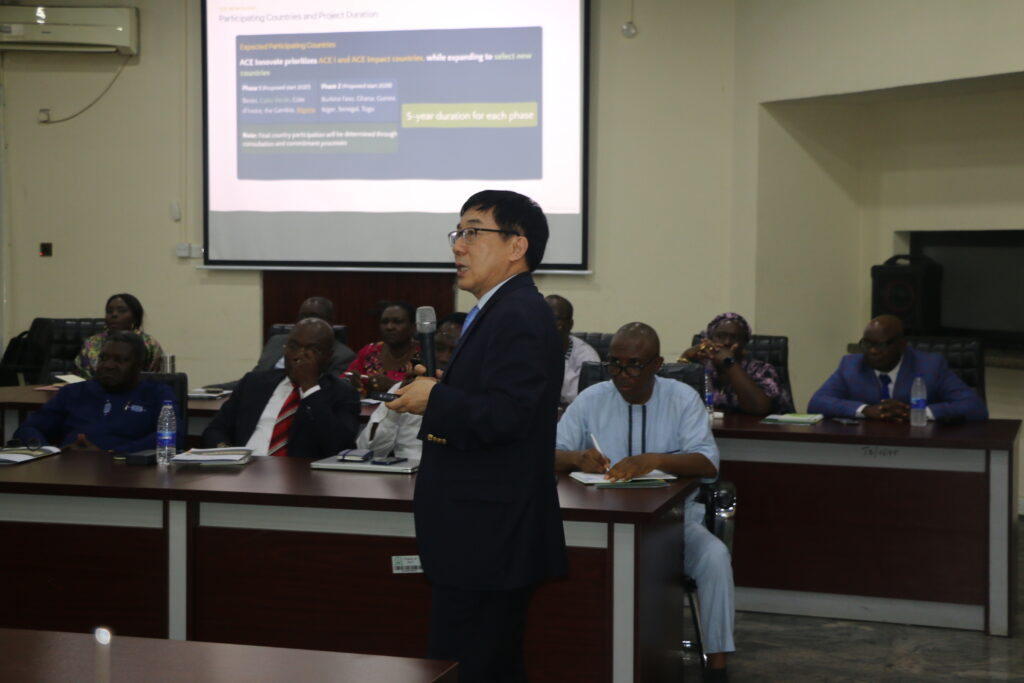
“What is especially encouraging is how the Centres have evolved. They are no longer just academic units; they are becoming locomotive units of innovation, entrepreneurship, partners of local industries, and actors of real development in areas such as energy, agriculture, health, and digital technologies,” he emphasised.
The Federal Ministry of Budget and Economic Planning, through a presentation by Dr Obasi Philip Ikechi, of the Macroeconomic Analysis Department, revealed that Nigeria’s National Development Plan for the 2026–2030 phase prioritises productivity-led growth, economic diversification, human capital development, and stronger policy coordination to unlock sustainable and inclusive growth.
Dr Ikechi said the ACE Innovate project fits well as a strategic enabler for this development agenda, which aims to strengthen skills, applied research, innovation, and industrial competitiveness in priority sectors.
According to him, universities and research institutions are critical to delivering productivity gains, industrial transformation, quality jobs, and export diversification under the NDP 2026–2030.
The Association of African Universities, with headquarters in Ghana, also took part in the weeklong in-country consultation with the presence of Dr Sylvia Mkandawire and Mrs Adeline Addy.