





By Uche Michael Aondohemba
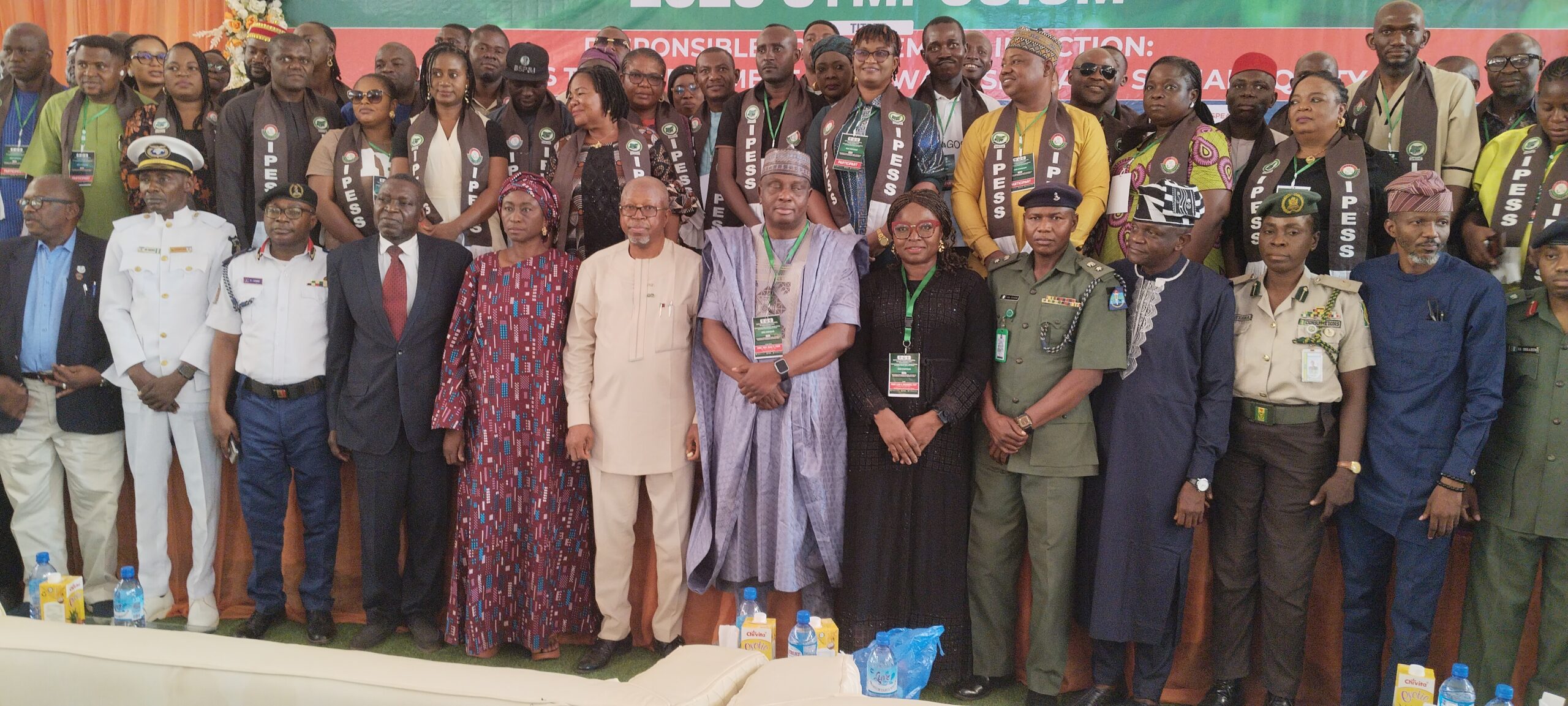
Upholding procurement standards aligned with global best practices is a surer way to build a secure future for the next generation. This was the emphasis of the Centre Leader and Director of the Institute of Procurement, Environmental and Social Standards (IPESS) at Joseph Sarwuan Tarka University, Makurdi (JOSTUM), Professor Lami A. Nnamonu, recently, during the IPESS 2026 Symposium.
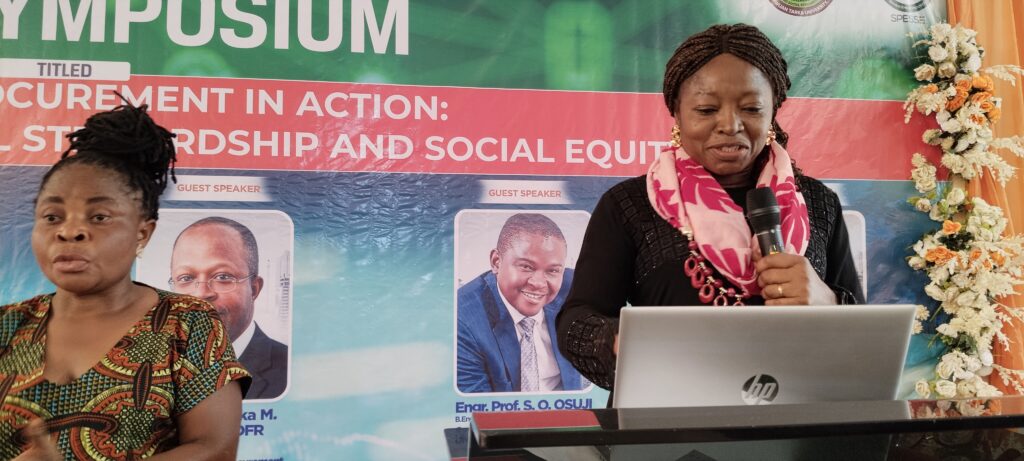
During the symposium themed “Responsible Procurement in Action: Pathways to Environmental Stewardship and Social Equity“, the Director stated that, across the globe, procurement is no longer viewed as a transactional function. It is increasingly recognised as a strategic lever for sustainable development capable of driving environmental protection, promoting social inclusion, strengthening governance, and delivering value for money. She noted that in Nigeria, public procurement accounts for a substantial proportion of national expenditure. When aligned with environmental and social standards, it becomes a powerful instrument for achieving climate resilience, protecting communities, promoting gender equity, supporting local enterprise, and safeguarding future generations.
She called on participants to use the symposium to ignite partnerships, inspire reform, and strengthen their collective resolve to institutionalise sustainable procurement practices in Benue State, Nigeria, and beyond.
The Premier Director General, Bureau of Public Procurement (BPP), and Chairman, FCT Civil Service Commission, Engr Dr Emeka Eze, OFR, while speaking on the topic “Reimagining Procurement: Governance, Transparency, and Accountability for Responsible Public Procurement”, asserted that responsible public procurement goes beyond compliance. It includes integrity, value for money, fairness and competition, and social and environmental responsibility.
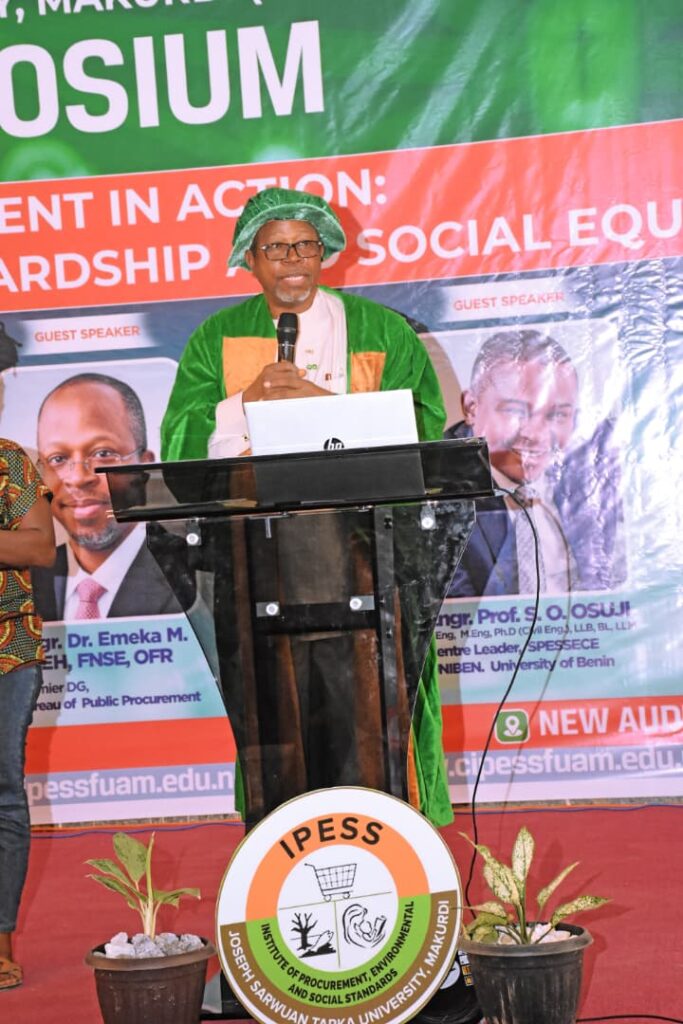
Engr Eze stated that responsible public procurement that is rooted in good governance, transparency, and accountability is essential not only for saving money but also for building a state that citizens can trust, a market that rewards competence and integrity, and a future where public resources are used to deliver tangible, equitable benefits to all Nigerians.
He added that if governance, transparency, and accountability are strengthened, Nigeria will see improved value for money, reduced corruption, fewer procurement scandals, and greater confidence in government institutions. The Chairman of the FCT Civil Service Commission advocated continuous training, regular posting, the declaration of assets, and the sectoral development of procurement officers, among other measures, to reduce malpractices in the procurement sector.
In a presentation titled “Greening the Supply Chain: Integrating Environmental Standards into Procurement Decisions”, the Centre Leader of the Sustainable Procurement, Environmental and Social Standards Enhancement Centre of Excellence (SPESSECE), University of Benin, Engr. Prof. Sylvester Obinna Osuji said, ‘Greening the supply chain through the integration of environmental standards into procurement decisions is no longer optional but a strategic imperative.’ The centre leader asserted that procurement is not simply a transactional function but a powerful tool for advancing sustainability, resilience, and inclusivity. According to him, embedding environmental standards into procurement processes ensures that organisations ensure that every contract, supply, and purchasing decision contributes to reducing ecological footprints, promoting social equity, and achieving long-term economic value.

Prof. Osuji added that greening the supply chain requires collaboration between procurement specialists, environmental experts, suppliers, and stakeholders to build trust, accountability, and continuous improvement, saying these initiatives will not only safeguard natural resources and reduce pollution but also foster innovation, strengthen resilience, and create inclusive growth opportunities.
In his presentation titled “Procurement as a Tool for Social Equity: Advancing Fair Labour, Inclusion, and Local Economic Development,” a World Bank consultant and a development and social specialist, Oluwatosin Oso, submitted that procurement is a powerful instrument for achieving social equity. The World Bank consultant stated that by embedding principles of fair labour, inclusion, and local economic development in procurement policies and practices, organisations can extend their impact far beyond their immediate operational needs. In doing so, procurement transforms from a back-office function to a strategic driver of positive change, building fairer, more inclusive, and more prosperous communities.
According to Oso, by aligning procurement policies and practices with the principles of social equity, organisations, both public and private, can play a significant role in advancing fair labour standards, fostering inclusion, and stimulating local economic development.
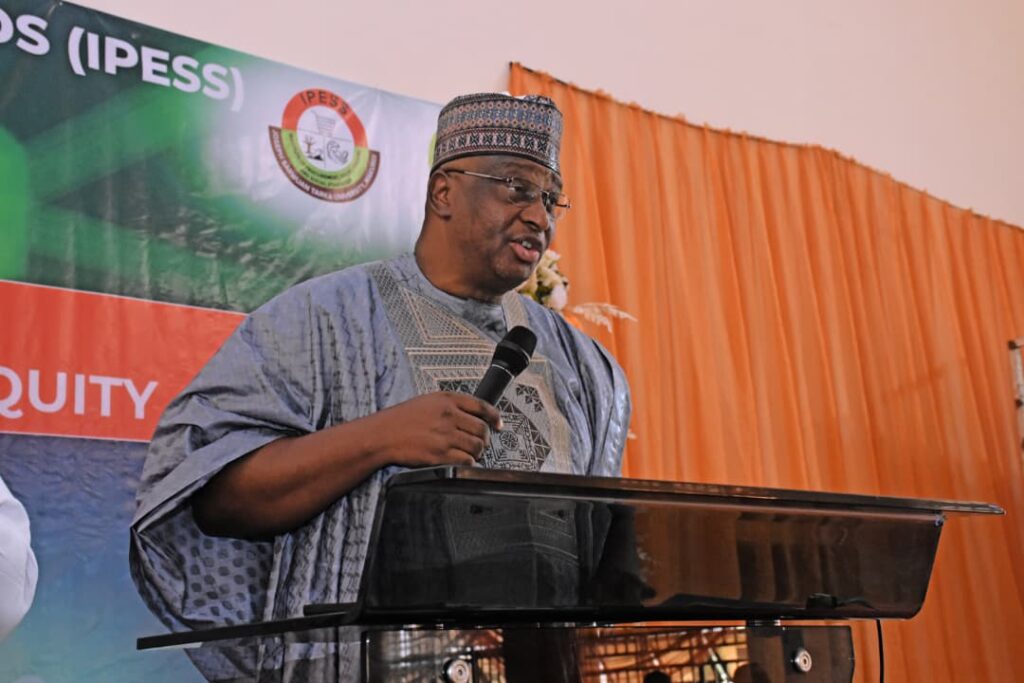
The Vice-Chancellor, Joseph Sarwuan Tarka University, Makurdi, Engr. Prof. Isaac N. Itodo, in a welcome address, stated that Universities are not only centres of learning and research; they are also institutions of leadership and example. The Vice Chancellor noted that responsible procurement represents a deliberate commitment to environmental stewardship, ethical sourcing, transparency, and social equity, and institutions entrusted with public resources must ensure that procurement systems go beyond compliance.
The Vice Chancellor, while commending the organisers, particularly Prof. Nnamonu and the Central Planning Committee for conceiving the symposium idea, said, “I must state here again, just as I have always done in various forums and without any equivocality, that IPESS remains the flagship programme of JOSTUM. Today’s ceremony is another justification of my long-standing postulation on how IPESS continues to implement the World Bank-supported SPESSE Project since 2019.”
Engr Prof. Itodo reiterated the University’s commitment to supporting initiatives that promote accountability, sustainability, and inclusive growth and further encouraged participants to use the platform to exchange ideas frankly, challenge assumptions constructively, and propose actionable solutions that will influence policy, strengthen institutions, and inspire ethical leadership.