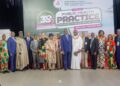



In a move to institutionalise excellence in public procurement, the Bureau of Public Procurement (BPP) has disclosed that a memo to make the World Bank-funded Sustainable Procurement, Environmental, and Social Standards (SPESSE) courses mandatory for the professional certification process of all procurement officers nationwide has reached an advanced stage.

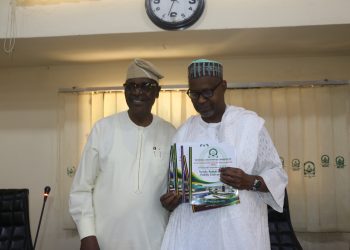
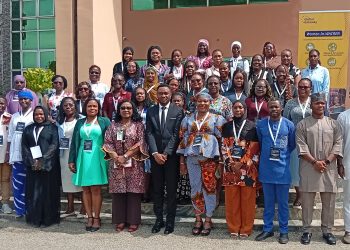
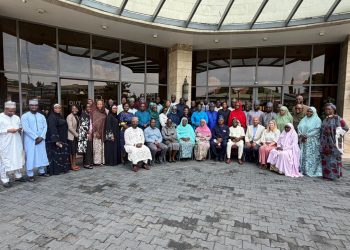
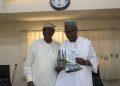
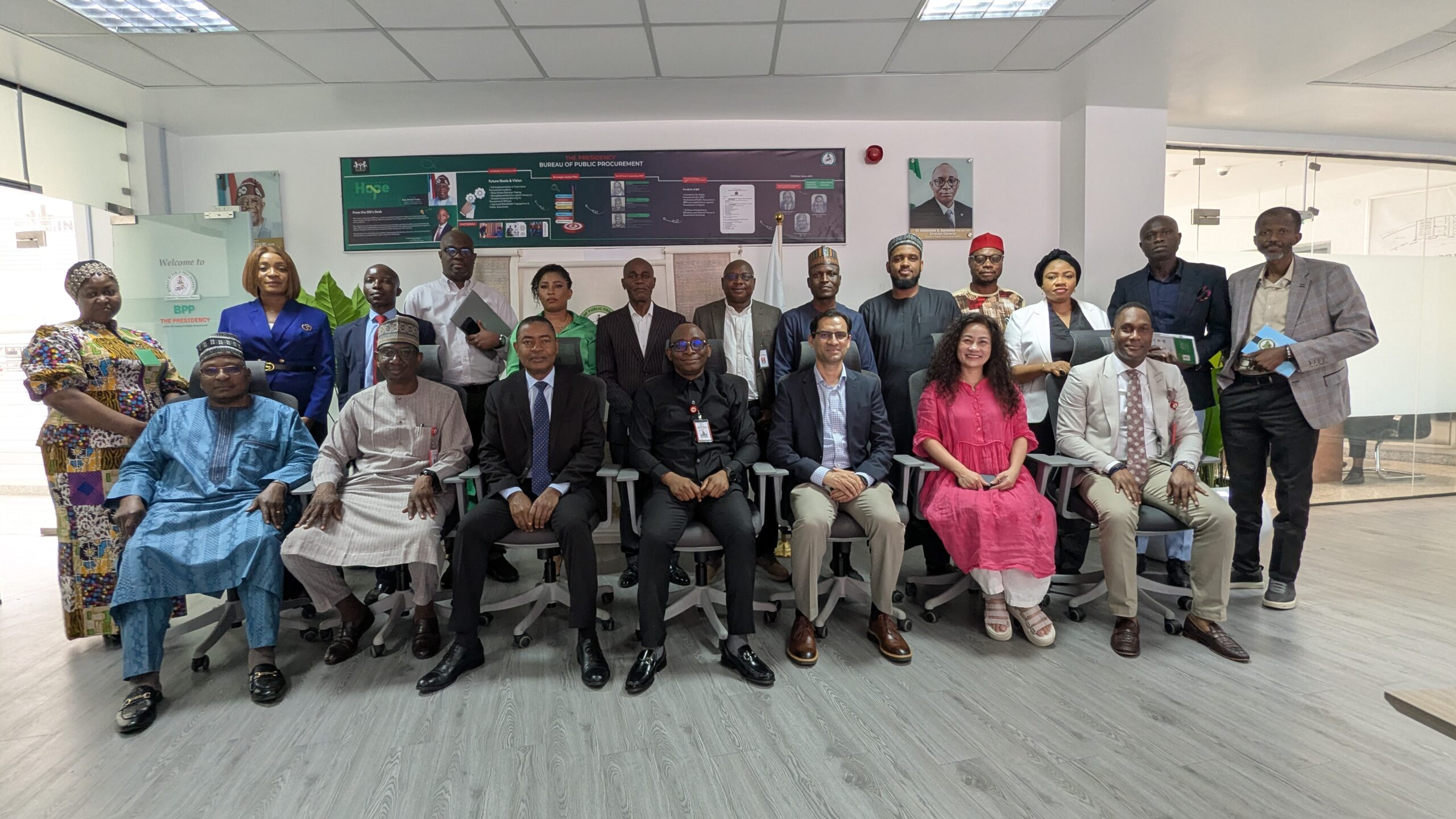
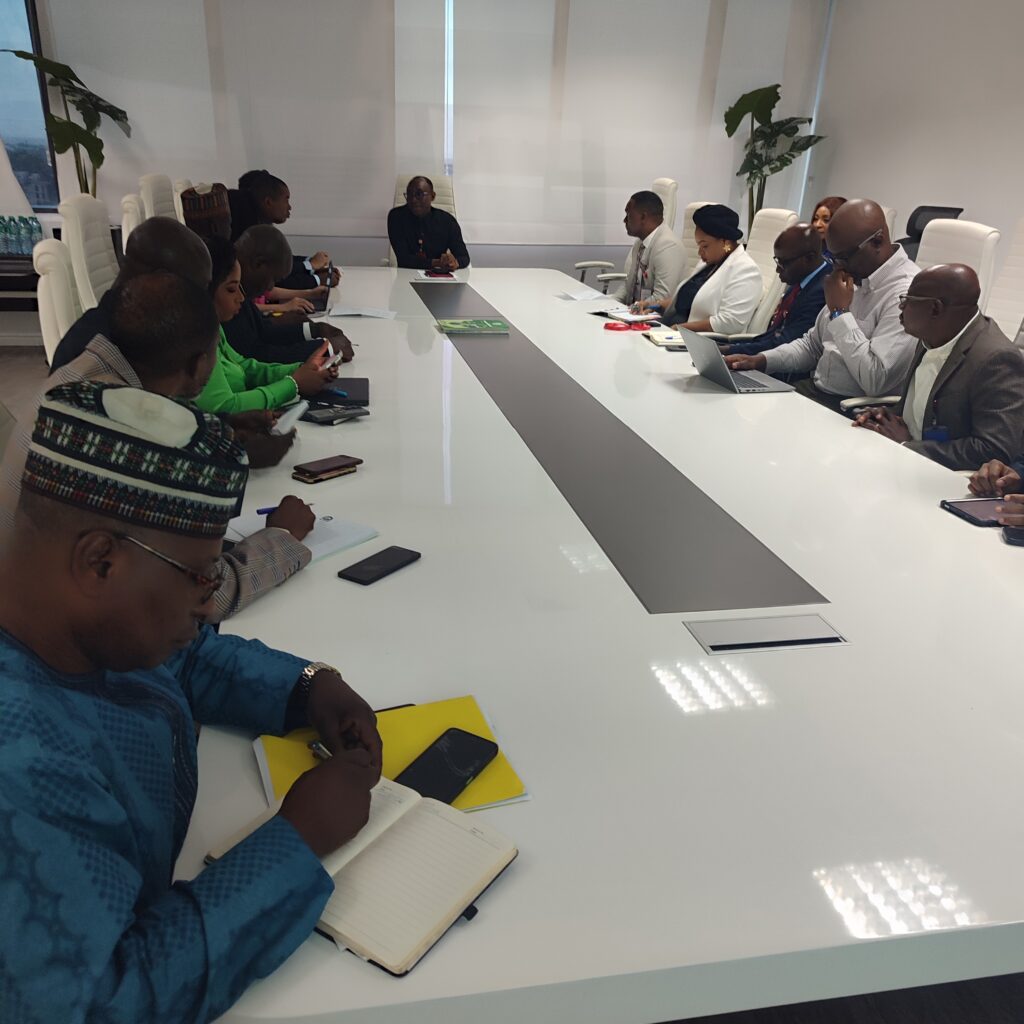
Director-General of the BPP, Dr Adebowale Adedokun, made this known at a high-level review meeting with the World Bank. The visit to the BPP by the World Bank team was part of the 2025 SPESSE Implementation Support Mission (ISM) in Abuja.
The DG, which emphasised the Bureau’s dedication to implementing all set objectives, including the critical shift to e-procurement, added that the mandate, which has received preliminary approval from the Head of Service, will be integrated into the revised circular governing the procurement cadre.
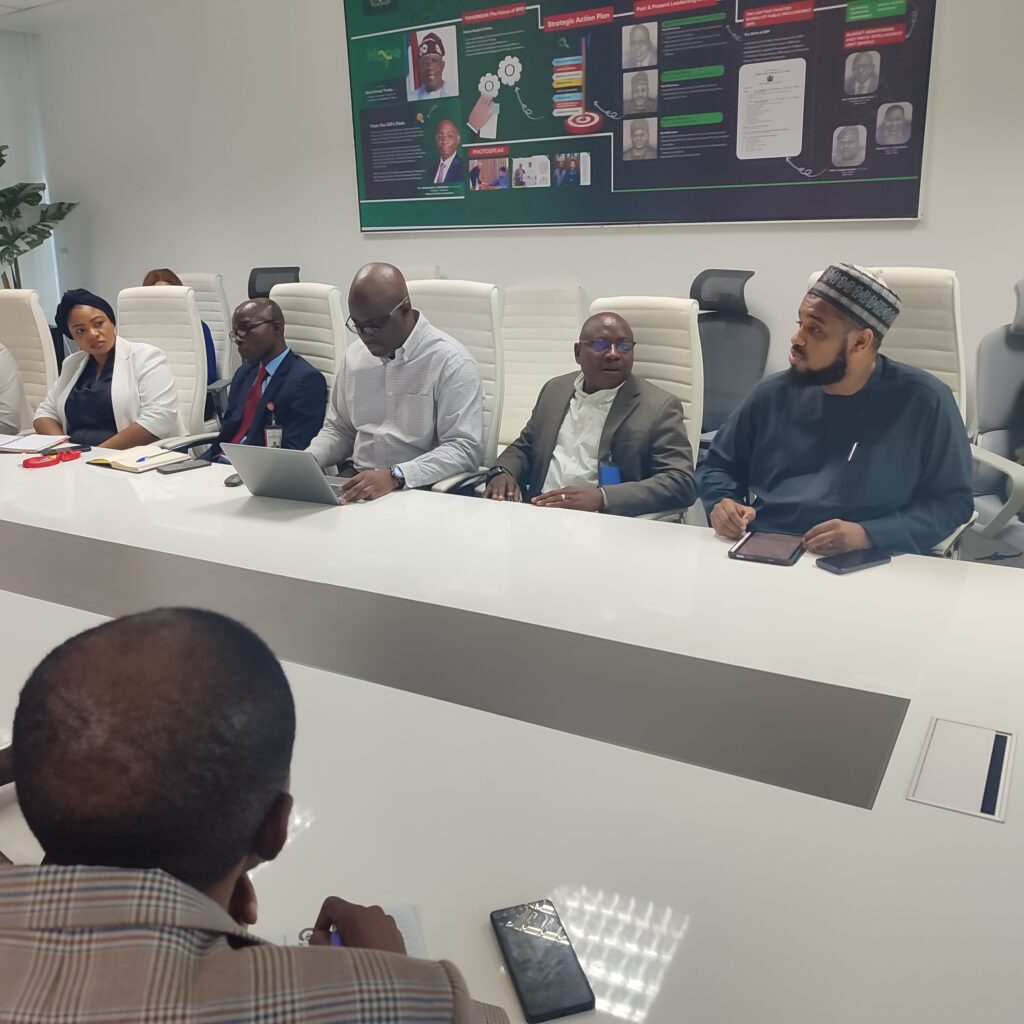
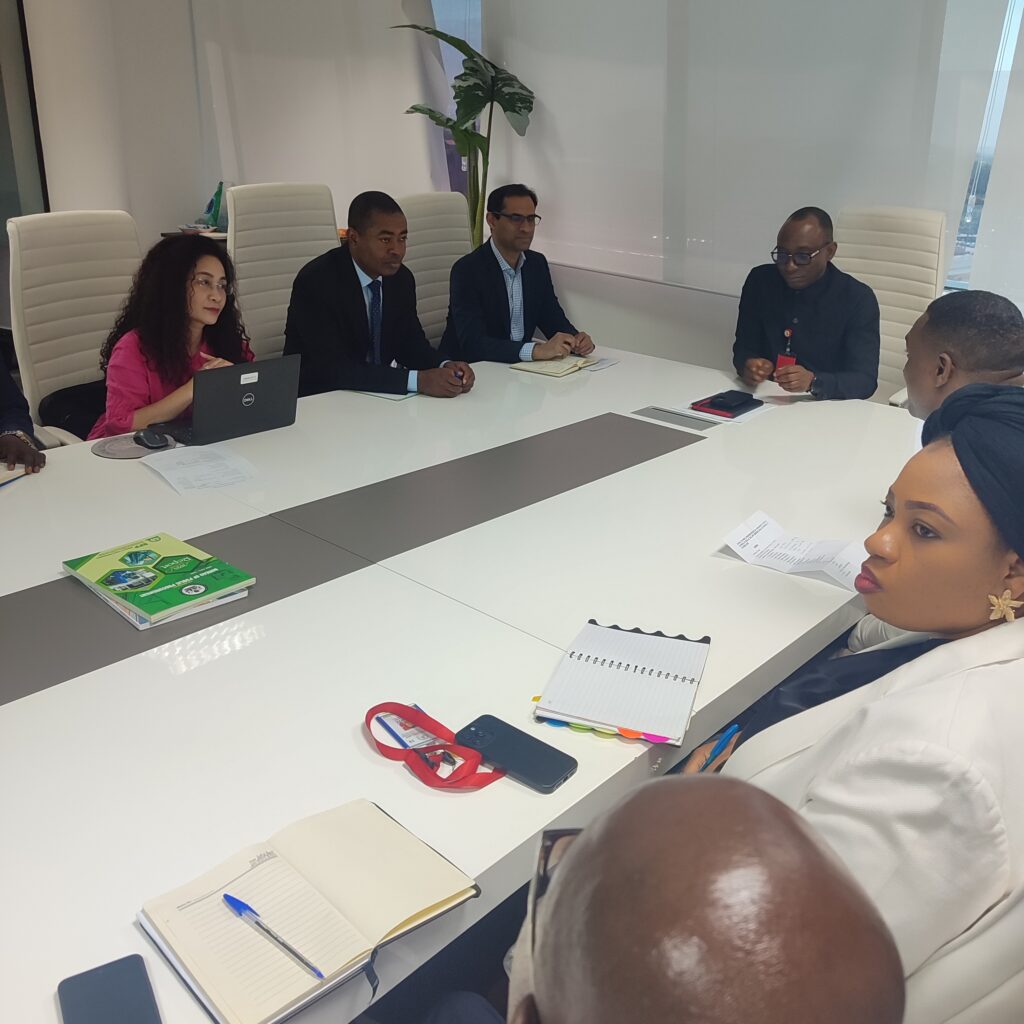
The Bureau, alongside the Bank, reaffirmed its shared commitment to the successful implementation of the Project in Nigeria.
Adedokun revealed that the initiative enjoys the full backing of the Federal Government of Nigeria and the necessary support from the legislative arm, underscoring the collaborative partnership with the World Bank.
A major highlight of the discussion was the impressive results achieved so far through BPP’s professional certification programme for procurement officers.
The DG reported that 2,121 participants had completed the rigorous certification process and were awaiting final board approval for the electronic issuance of their certificates.
“These certifications, comprising Certificates of Completion and Professional Certificates (highlighting respective tiers), pave the way for a more competent and standardised procurement workforce as the Bureau is targeting an additional 6,000 participants in the first quarter of 2026,” he said.
In another milestone, the BPP is actively progressing towards developing a robust Nigerian Electronic Government Procurement (EGP) system.
The DG outlined the Bureau’s comprehensive strategy, which involves a desktop review of EGP systems in countries with similar climates, including Ghana, Rwanda, South Africa, and Tanzania.
This review, he said, would be complemented by a study tour scheduled for January 2026 to three African countries (Ethiopia, Tanzania, and Rwanda).
According to him, “The findings will inform the System Requirements Specification (SRS), ensuring the eventual EGP system aligns with the administration’s ‘Nigeria First Policy’ while meeting the sustainable project standards supported by the World Bank.”
Leader of the review mission, World Bank’s Task Team Lead (TTL) for the SPESSE project, Mr Ishtiak Siddique, commended the BPP for its impressive progress, particularly in the certification programme, stating that this initiative would take Nigeria’s procurement system “to the next level.”
He, however, disclosed that to ensure uniformity in the quality of training, a task force will be established, which will include a representative from the BPP, to streamline the curriculum for Track A courses by January 31, 2026.
Following this, trainers will be publicly advertised and endorsed by the BPP, marking a return to the standard delivery model of the former Procurement Policy Review Committee (PPRC) era.
Additionally, the BPP confirmed that the Federal Executive Council (FEC) has approved the legal framework for the Debarment Policy, a significant step in enhancing transparency and accountability.
As part of the discussion, the BPP DG made a passionate appeal to the World Bank to renew its commitment to continuous capacity development across the procurement institutions, referencing the Bank’s previous foundational work, which trained the best procurement officers in the country two decades ago.
He thereafter presented the Bureau’s comprehensive plan encompassing 24 key reforms across all procurement sections, requesting the World Bank’s financial support.
Siddique assured the Bureau that the World Bank would explore avenues to provide the necessary support to realise these crucial reforms.