


By Soala Martyns-Yellowe
The World Bank has acknowledged the progress made by the SPESSE Environmental Node, particularly the commencement of professional certification examinations, describing it as a key milestone that signals the transition of the SPESSE Project from capacity building in theory to standards-based certification in practice.
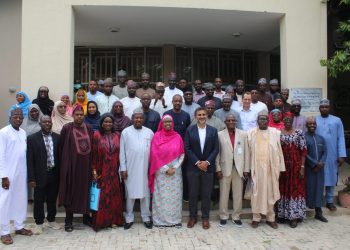
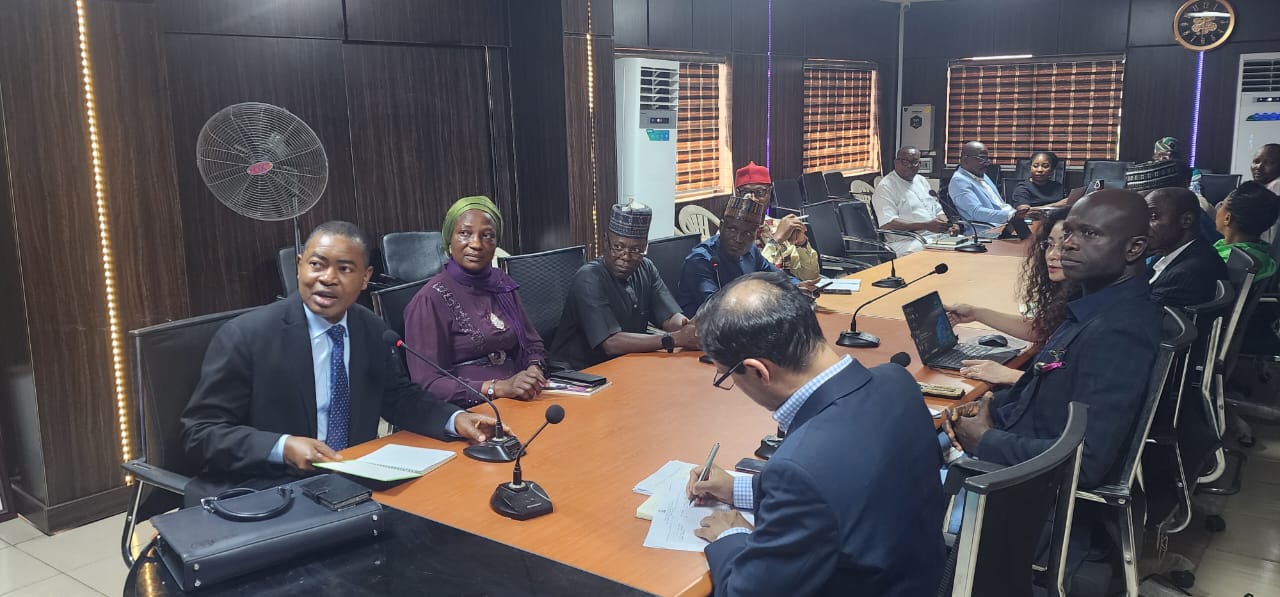
This formed a major highlight of the recently concluded Implementation Support Mission on the Sustainable Procurement, Environmental and Social Standards Enhancement (SPESSE) Project, which held between November and December 2025. Among the key engagements under the Mission was a focused visit to the SPESSE Environmental Node, hosted by the Environmental Assessment Department of the Federal Ministry of Environment.
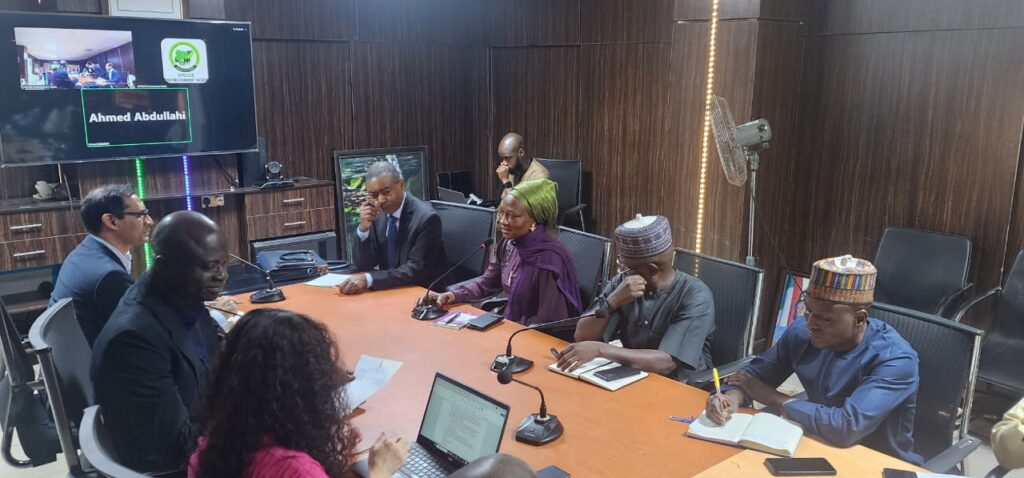
Welcoming the World Bank delegation, the Director of the Environmental Assessment Department, Mrs R. A. Odetoro, received the Task Team on behalf of the Environmental Node and reaffirmed the Department’s commitment to strengthening certification systems that are credible, transparent, and institutionally sustainable under SPESSE.
Speaking during the mission visit, the World Bank Task Team Leader, Mr Ishtiak Siddiqe, commended the Environmental Node for commencing certification activities but emphasised that success under the programme should not be measured solely by the number of certificates issued. Rather, he noted that long-term value would depend on the credibility, governance, and verifiability of the systems supporting the certification process, particularly in relation to the National Environmental Standards Certification Programme.
He further explained that verification is not an administrative formality, but the mechanism through which confidence in SPESSE certifications is established among development partners, government institutions, and the professional community.

“For the Environmental Node, this reinforces the need to align operational practices with the verification standards that underpin the credibility of the certification system,” he said.
The visit went beyond a routine progress review, reflecting a deliberate emphasis by the World Bank on strengthening the institutional systems that will sustain SPESSE outcomes beyond the life of the Project, rather than focusing only on completed activities.
A central focus of the engagement was the independent verification framework embedded in SPESSE’s results-based financing structure. During the discussions, the World Bank Task Team outlined the expectations, indicators, and assessment approaches that will guide future verification exercises. In response, the SPESSE Environmental Node Project Coordinator, Mr Hussain Shittu, explained that operational practices are being aligned with verification standards, with systems in place to ensure complete digital records, clear audit trails, and accessible participant data on the certification portal. He further explained how certification processes, from application and screening to examinations and certification issuance, are managed through a digital platform designed to promote consistency, transparency, and traceability.
Governance of the certification system also featured prominently in the discussions. The Task Team highlighted the importance of formal certification approval structures, including certification boards and secretariats, in ensuring institutional legitimacy. The Director of the Environmental Assessment Department acknowledged this requirement. She indicated that steps are being taken to align certification governance arrangements of the Environmental Node with established practices, as has been the case across other SPESSE Nodes and relevant national institutions, to strengthen institutional ownership and public confidence.
Beyond certification mechanics, the Mission linked SPESSE outcomes to broader development impact. Discussions on Additional Financing outlined a strategic focus on Ministries, Departments, and Agencies with high concentrations of World Bank-funded projects. This approach is designed to ensure that SPESSE-certified professionals are integrated where development investments are most active, thereby enhancing project delivery, ensuring safeguards, and strengthening institutional performance.
The engagement concluded with a shared understanding that the visit was not about identifying shortcomings, but about consolidating gains. As SPESSE approaches project closure and additional financing, the Environmental Node’s experience highlights an important lesson: effective standards systems rely not only on training, but equally on strong governance, verification, and institutional discipline.
In that sense, the World Bank’s engagement reaffirmed SPESSE’s core objective not only to build individual capacity, but to leave behind durable systems that uphold environmental and social standards long after the Project concludes.