


By Loretta Edozie, ACETEL, Abuja.
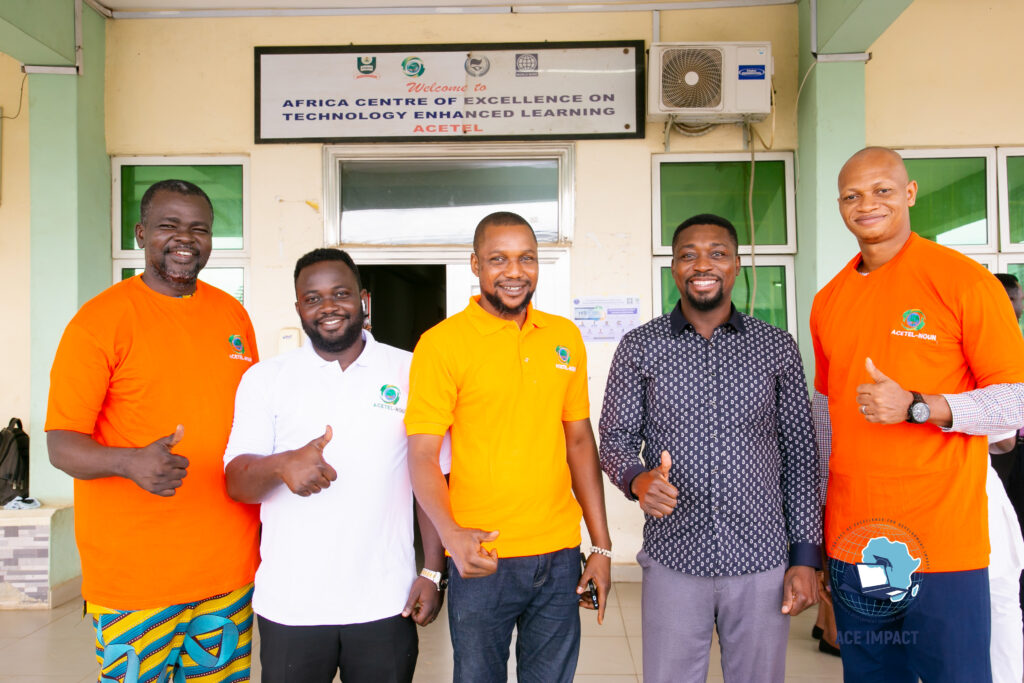
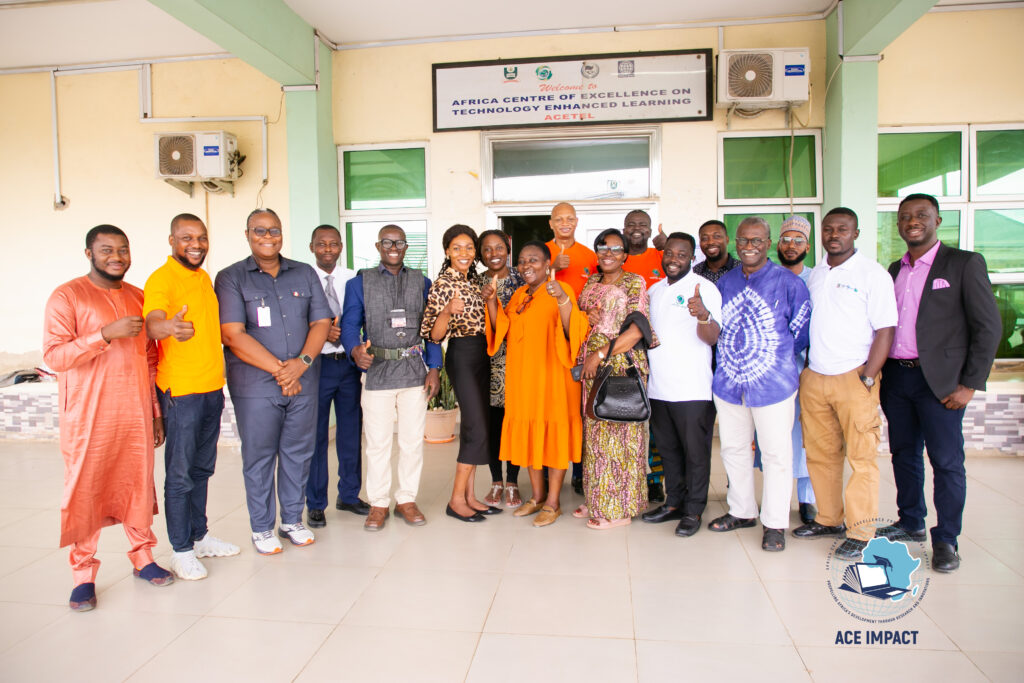
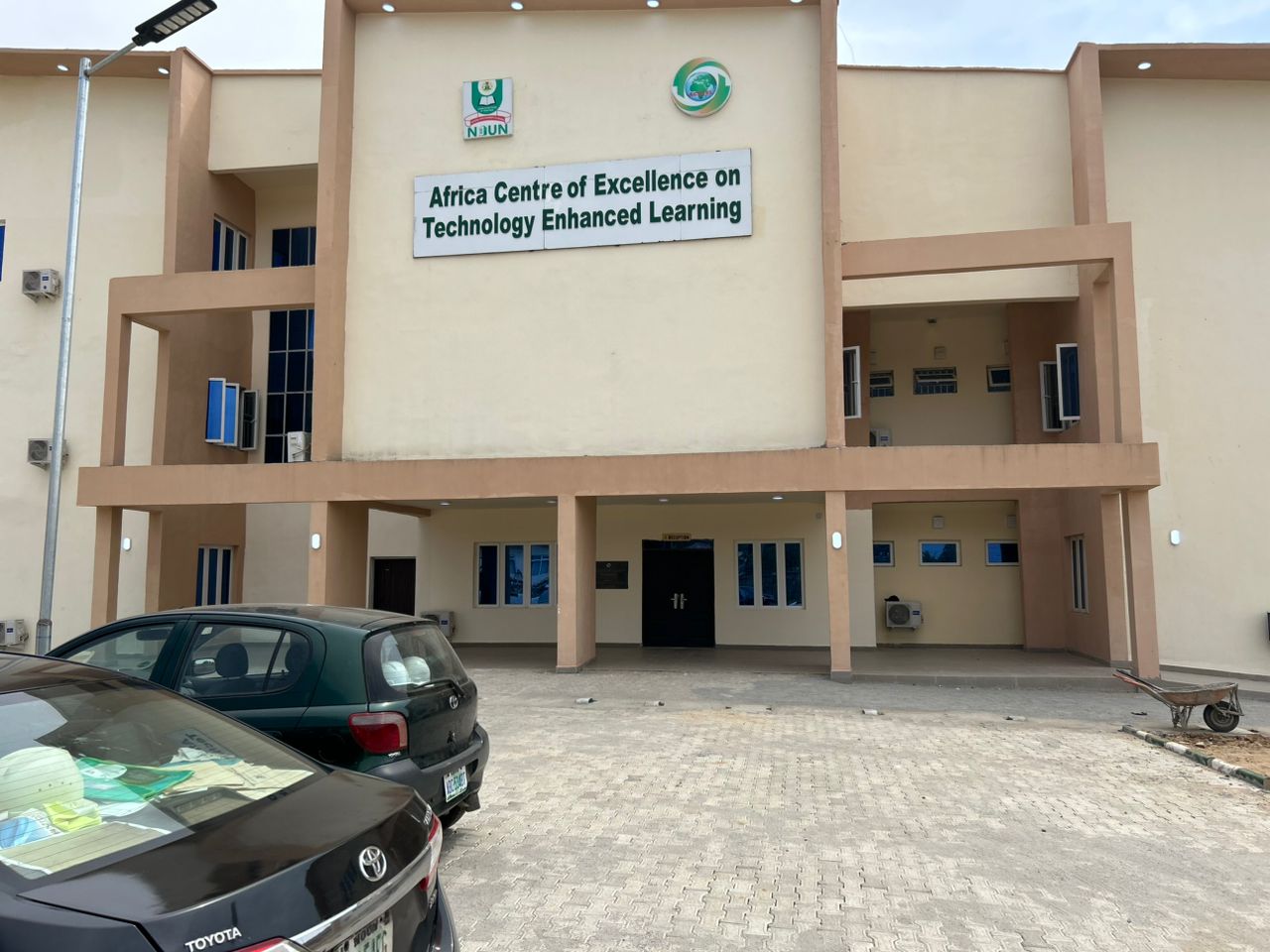
At the heart of Abuja, within the serene campus of the National Open University of Nigeria (NOUN), stands a Centre that has quietly but powerfully positioned itself as one of Africa’s leading hubs for digital transformation.
The Africa Centre of Excellence on Technology Enhanced Learning (ACETEL), established in February 2019 and backed with funding and supported by the World Bank, the Association of African Universities (AAU), and Nigeria’s National Universities Commission (NUC) for five years, has, in just a few years, grown into a model institution for research, training, and innovation in technology-driven education on the continent.

ACETEL’s mission is ambitious yet necessary: to bridge Africa’s digital knowledge gap by developing human capacity, strengthening digital policy, and creating cutting-edge solutions that can drive technological growth across sectors. In a continent where digital literacy varies widely and access to advanced ICT skills remains uneven, the Centre’s emergence represents a critical intervention toward building a more inclusive and technologically empowered Africa.
A Digital Vision Taking Shape
From its inception, ACETEL set out to champion the kind of digital transformation that supports sustainable socio-economic growth. Through its postgraduate programmes, MSc and PhD degrees in Artificial Intelligence (AI), Cyber Security, and Management Information Systems (MIS), the Centre equips African learners with the expertise required to thrive in a global digital economy.
These programmes attract regional students from across the continent, positioning ACETEL as a truly Pan-African learning and research hub.
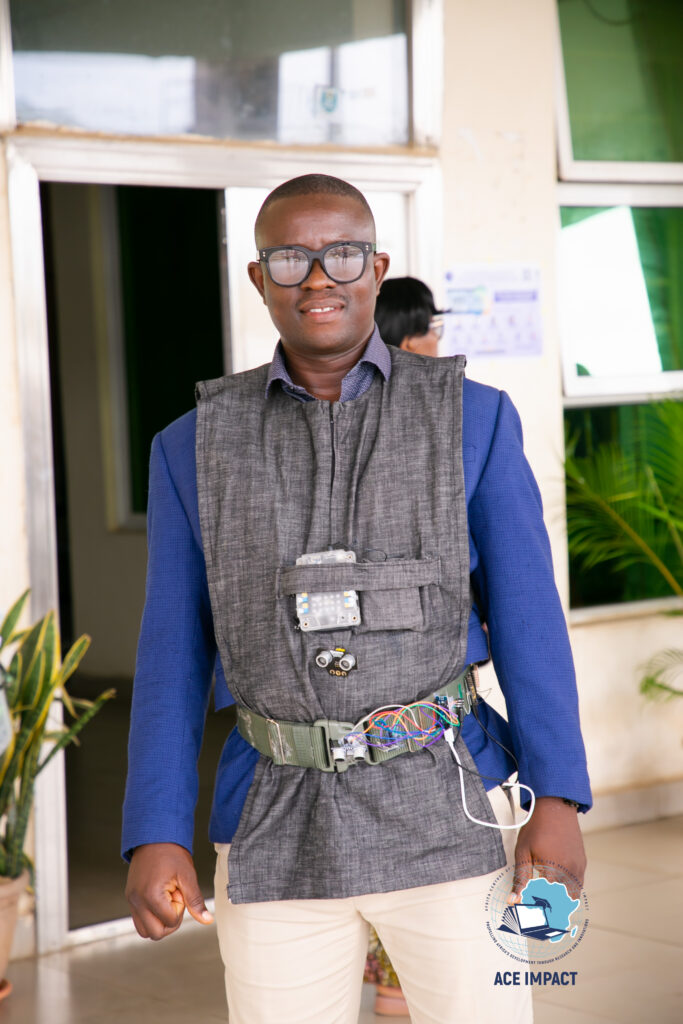
Beyond degree programmes, the Centre has become a training ground for professionals seeking to upgrade their digital skills through an impressive range of short courses including Cloud Computing, Database Management, Internet of Things (IoT), Blockchain, Programming, Digital Literacy, IT Essentials, CCNA 1–3, Entrepreneurship, and English language courses for non-English speakers along many others listed on the Centres website.
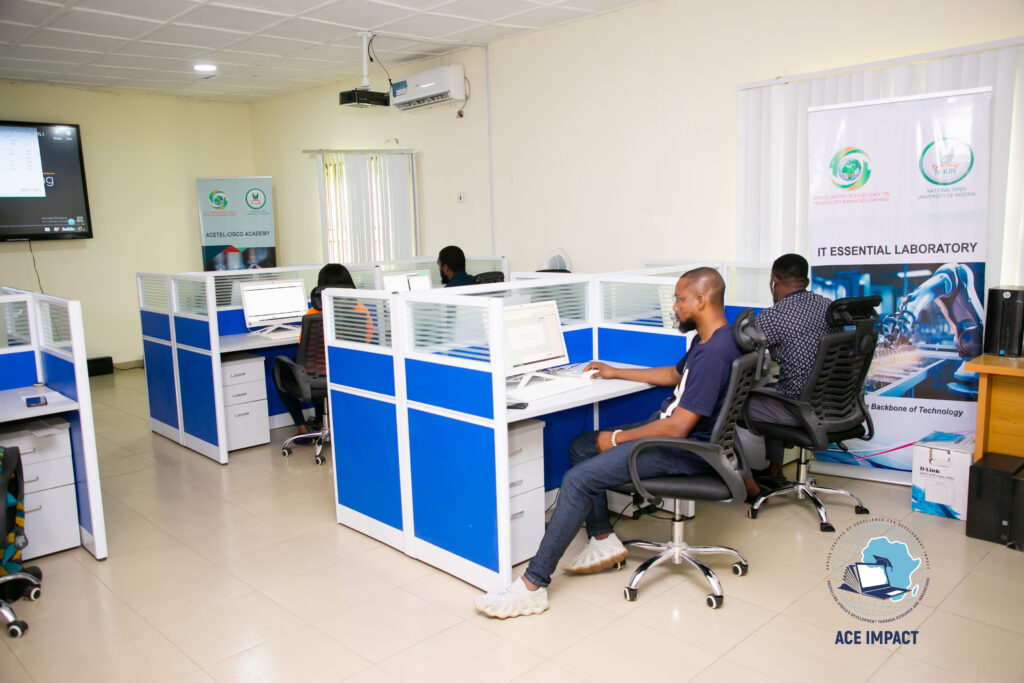
ACETEL ensures that learners at all levels have access to the tools needed to participate in the digital revolution.
Infrastructure Built for Innovation
One of ACETEL’s most remarkable achievements during its World Bank funding period is the establishment of state-of-the-art facilities that now drive hands-on learning and research.
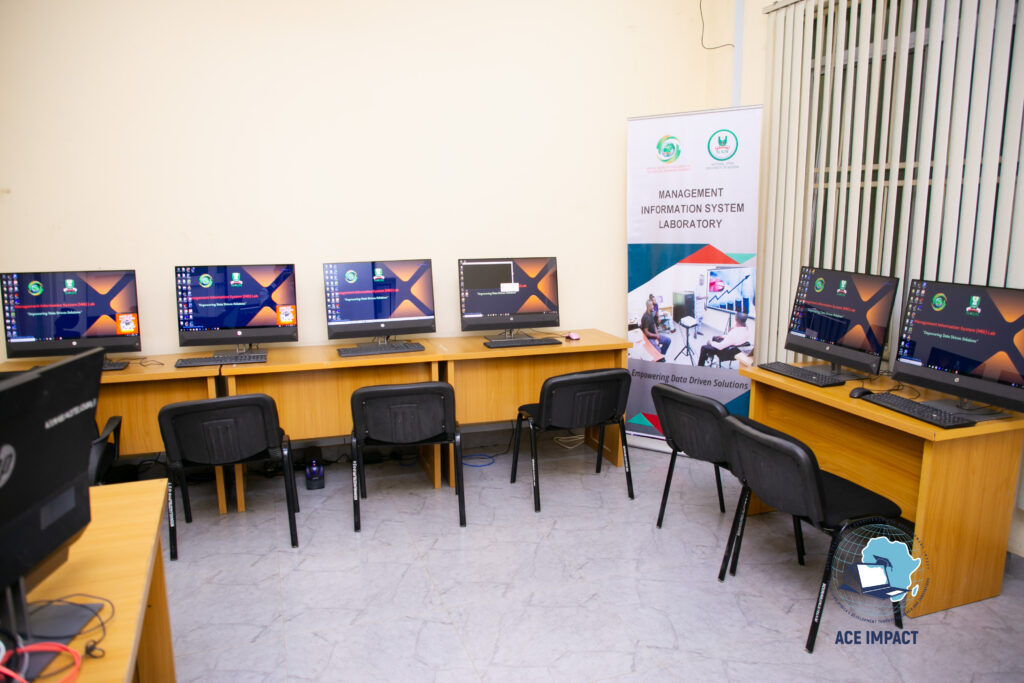
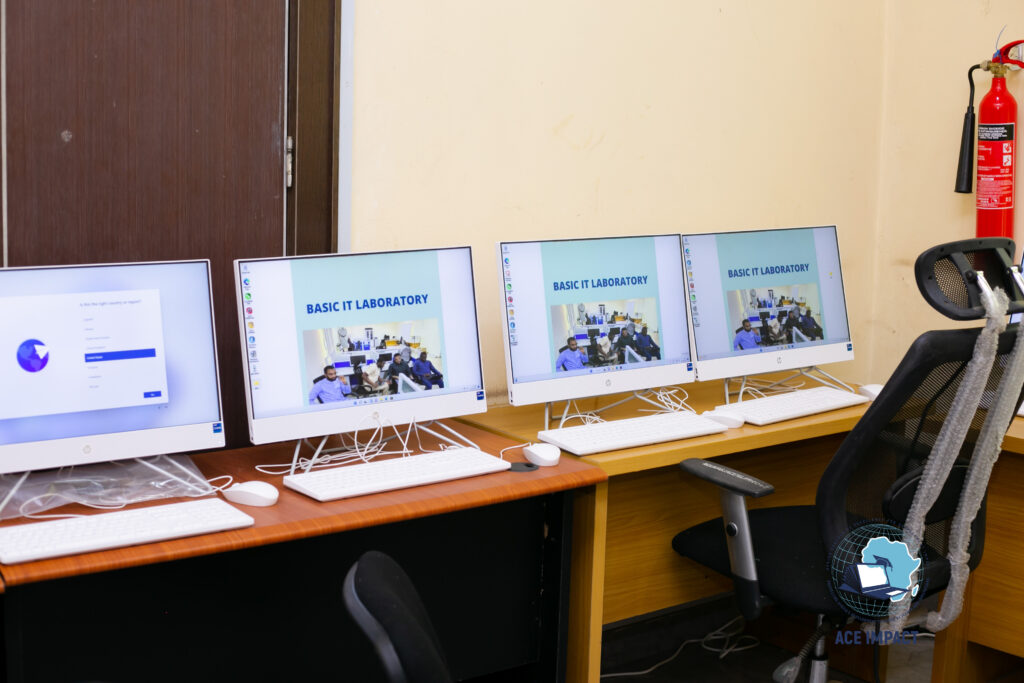
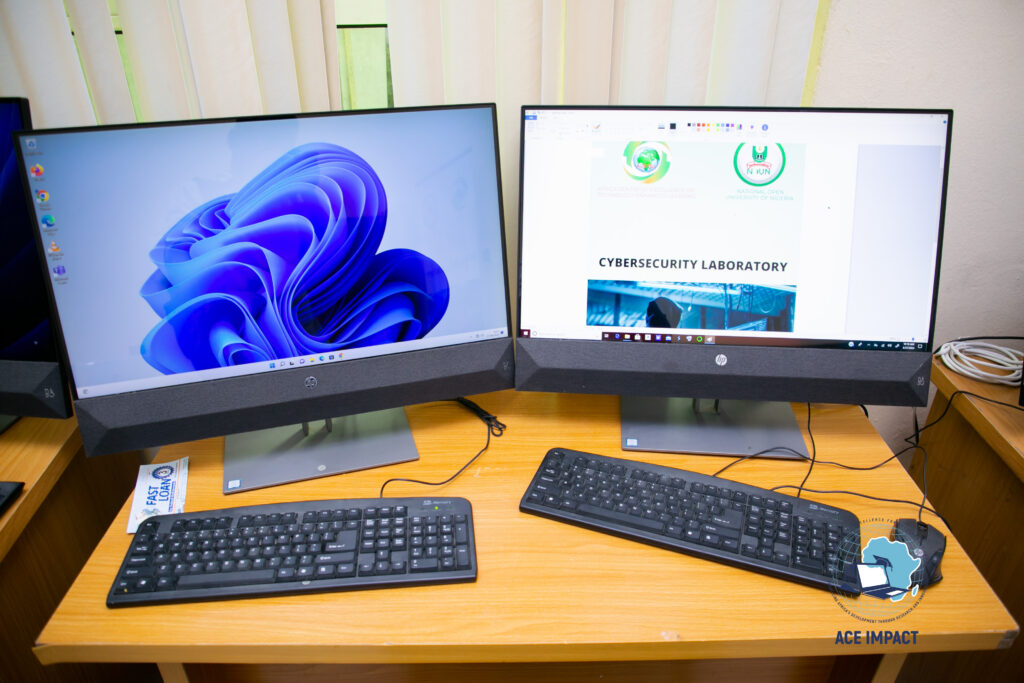
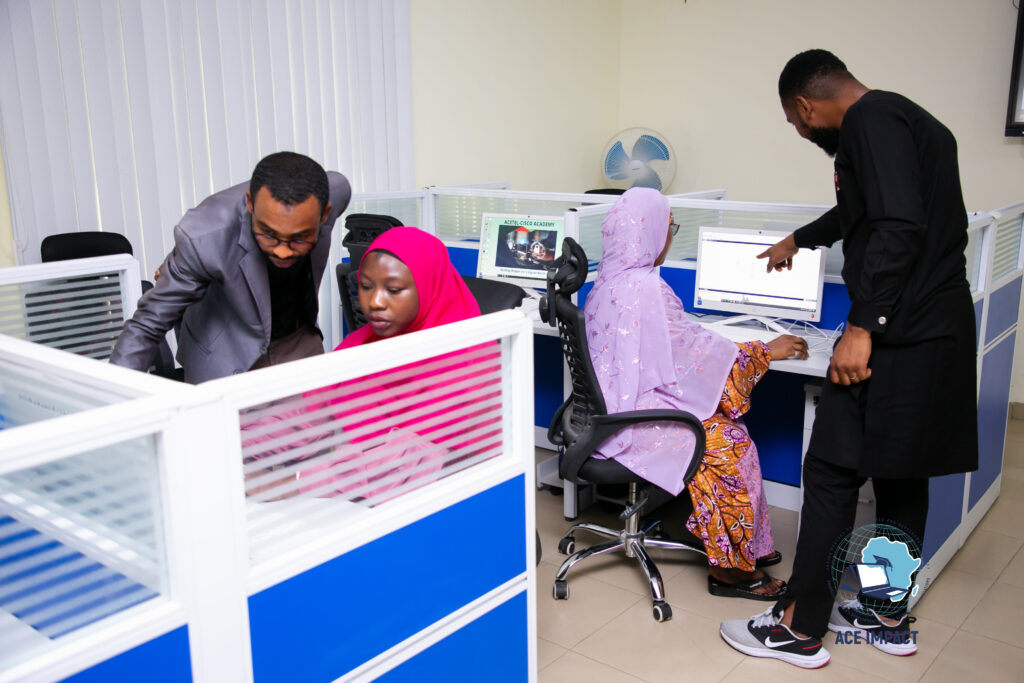
The Centre houses seven fully equipped laboratories:
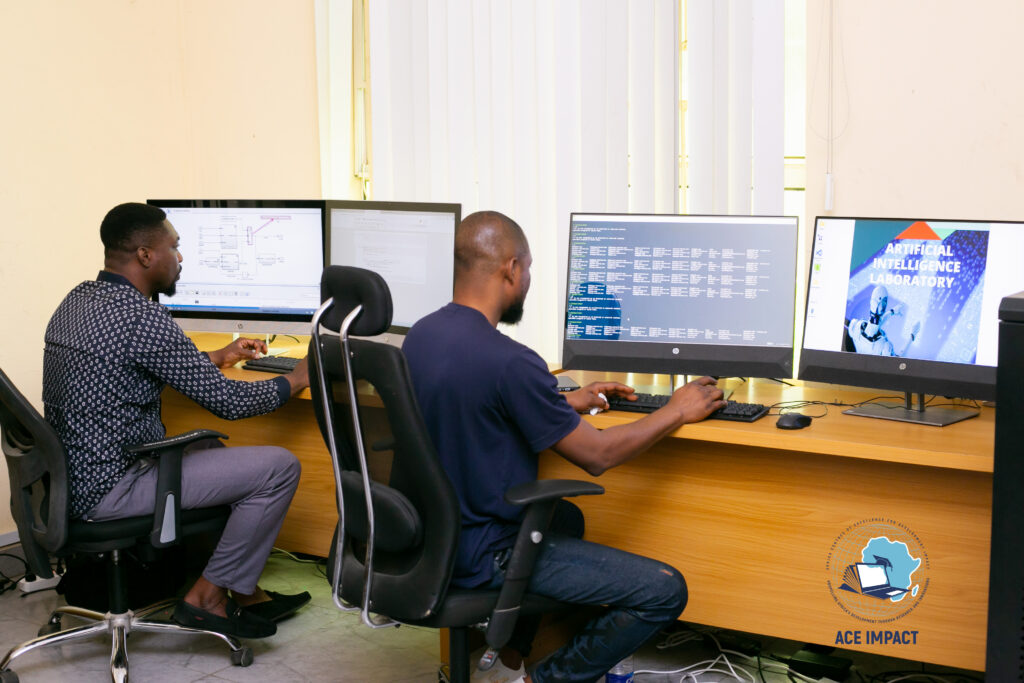
- Artificial Intelligence Lab
- Cybersecurity Lab
- Management Information Systems Lab
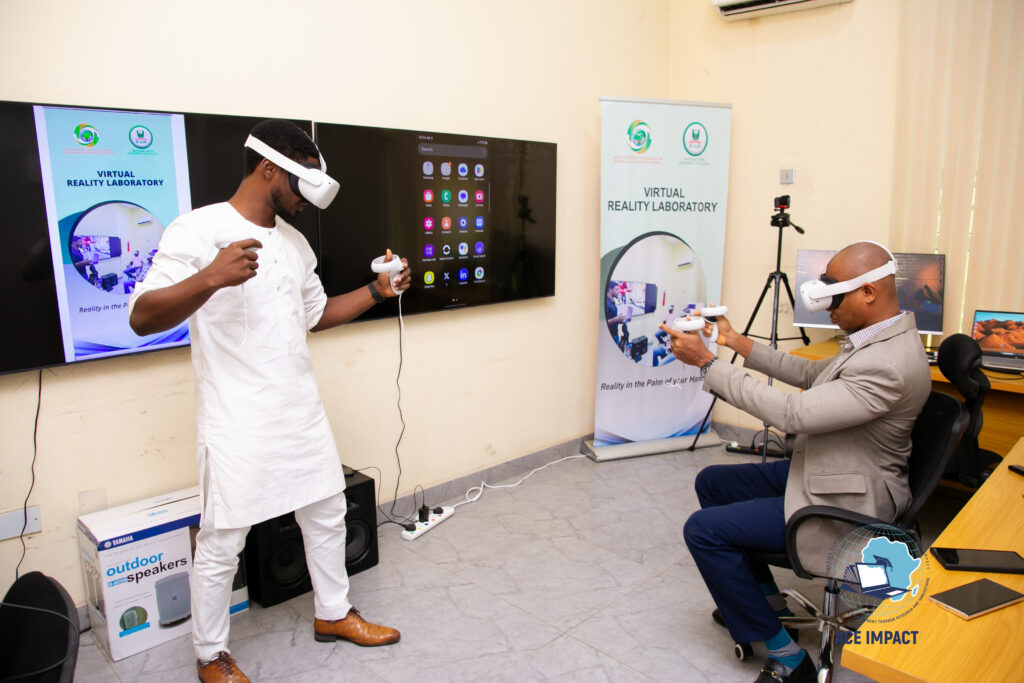
- Virtual Reality (VR) Lab
- Basic Laboratory
- Multimedia Lab
- Cisco Academy
Each laboratory functions as a research space where students and faculty collaborate on real-world digital solutions. These facilities have elevated ACETEL’s academic environment, enabling students to gain practical experience that matches international standards.
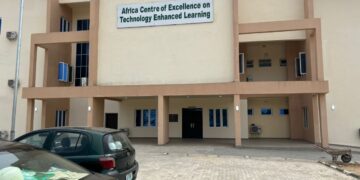
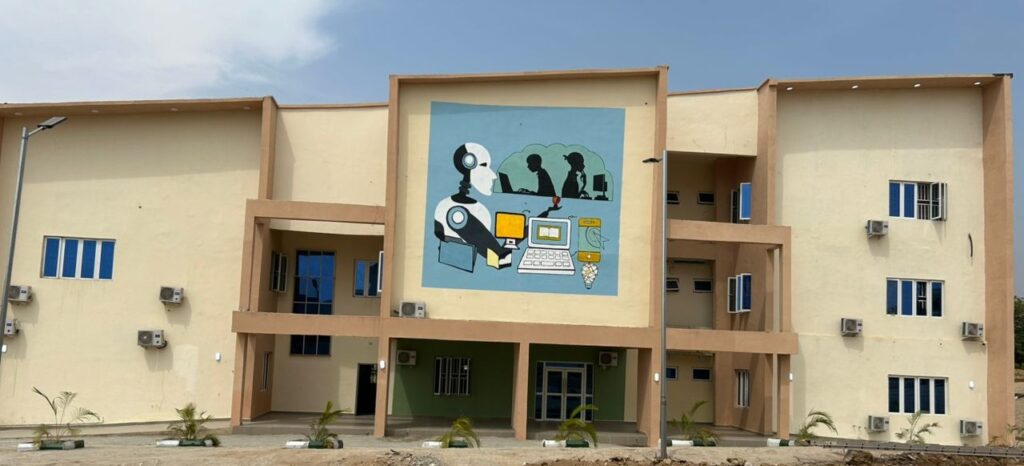
In addition, the completion of ACETEL’s dedicated building stands as a testament to its rapid growth and the foresight invested in its long-term sustainability. The Centre also developed a digital registration platform—streamlining administrative processes and reflecting its commitment to technology-enhanced service delivery.
Building Capacity, Driving Research, Leading Conversations
Since its establishment, ACETEL has actively engaged in knowledge sharing through workshops, conferences, exhibitions, and capacity-building programmes. These events bring together scholars, policymakers, industry experts, and innovators to examine emerging technological issues and explore solutions tailored to Africa’s unique needs.
The Centre’s research outputs and academic conferences continue to enrich conversations around digital policies, cybersecurity threats, artificial intelligence ethics, ICT infrastructure development, and the future of technology-enhanced learning on the continent.
Most notably, ACETEL has already produced two sets of MSc and PhD graduates, many of whom are now contributing to academia, industry, and government initiatives across Africa. Their achievements reflect the Centre’s profound impact on human capacity development.
A New Chapter: Standing Strong Beyond World Bank Support
With the closure of World Bank funding for the ACE-IMPACT Project, ACETEL has entered a new phase, one that relies on innovation, institutional strength, and meaningful partnerships. Rather than slowing down, the Centre is forging ahead with plans to collaborate with industries, government agencies, technology companies, and development organisations.
These partnerships are expected to:
- Support research commercialisation
- Expand internship and student placement opportunities
- Strengthen funding for laboratory upgrades and digital tools
- Promote collaborative research and innovation
- Ensure the Centre’s sustainability for years to come
ACETEL’s leadership has reaffirmed its commitment to ensuring that the Centre continues to thrive independently, using its foundational World Bank achievements as a springboard for a stronger, more sustainable future.

Lighting the Path for Africa’s Digital Transformation
As Africa navigates the rapid pace of technological change, ACETEL’s role becomes increasingly vital. The Centre is more than an academic institution; it is a beacon for innovation, a bridge to digital empowerment, and a catalyst for homegrown technological solutions.
With its blend of advanced facilities, rigorous academic programmes, forward-thinking leadership, and a vision grounded in service to the continent, ACETEL is shaping a future where Africans are not just consumers of technology but creators, innovators, and global contributors.
In its short but impactful journey, ACETEL has proven that when vision meets commitment, Africa’s digital future becomes not just possible but bright, sustainable, and transformative.