


By CHIOMA SUNNY-ADIKWU
Developmental Challenges in Nigeria are increasingly complex and life-threatening. Poverty, inadequate infrastructure, and poorly equipped hospitals and schools are some of the ripple effects of poor procurement practices, mostly due to unskilled officers and sometimes greed.
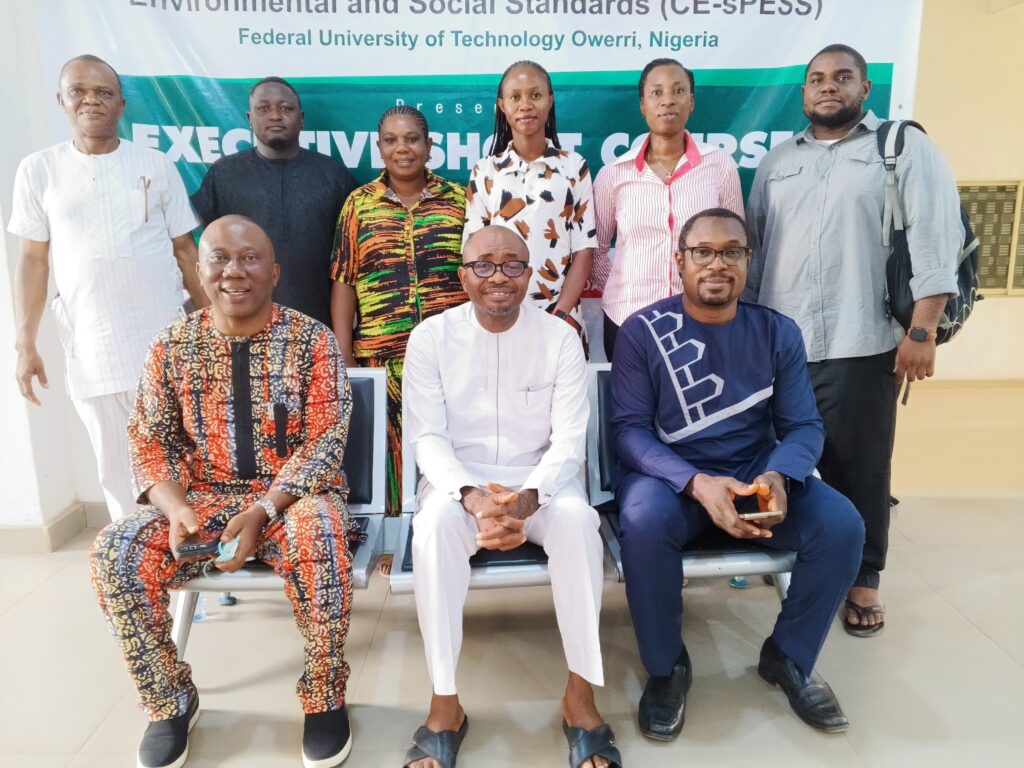
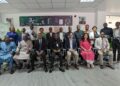
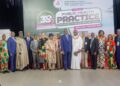
Recognising the urgent need for actionable, standard-driven solutions that address Community Health and Safety, the Centre of Excellence in Sustainable Procurement, Environmental and Social Standards (CE-sPESS) at the Federal University of Technology Owerri (FUTO), is training thousands of professionals to manage developmental projects effectively, particularly those involving Supply Chain Management, Livelihood Displacement and Social Impact.
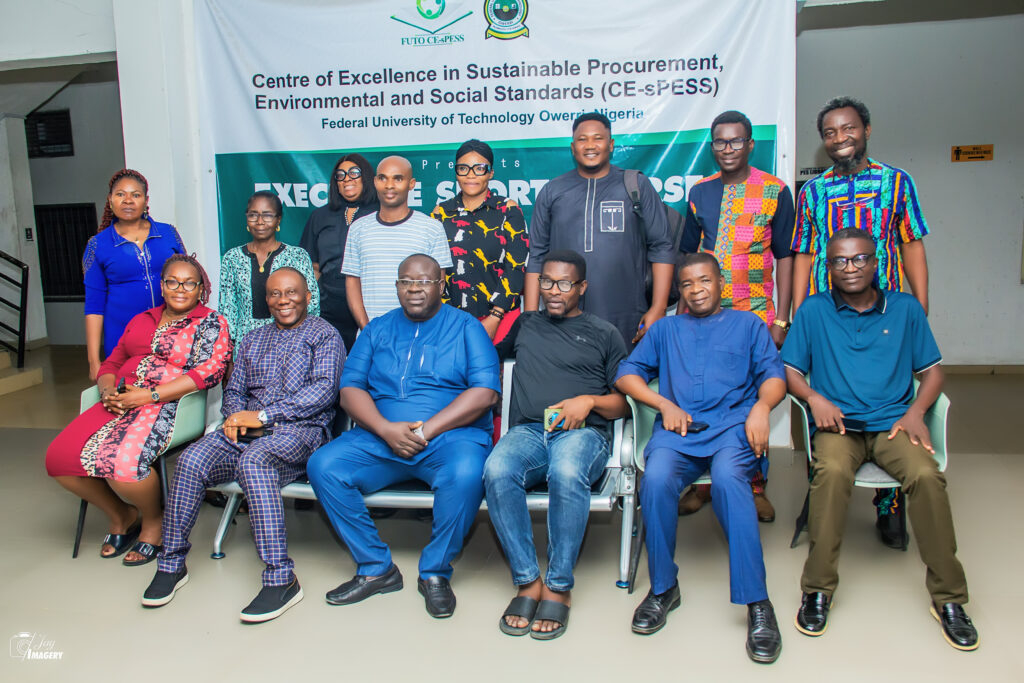
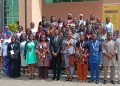
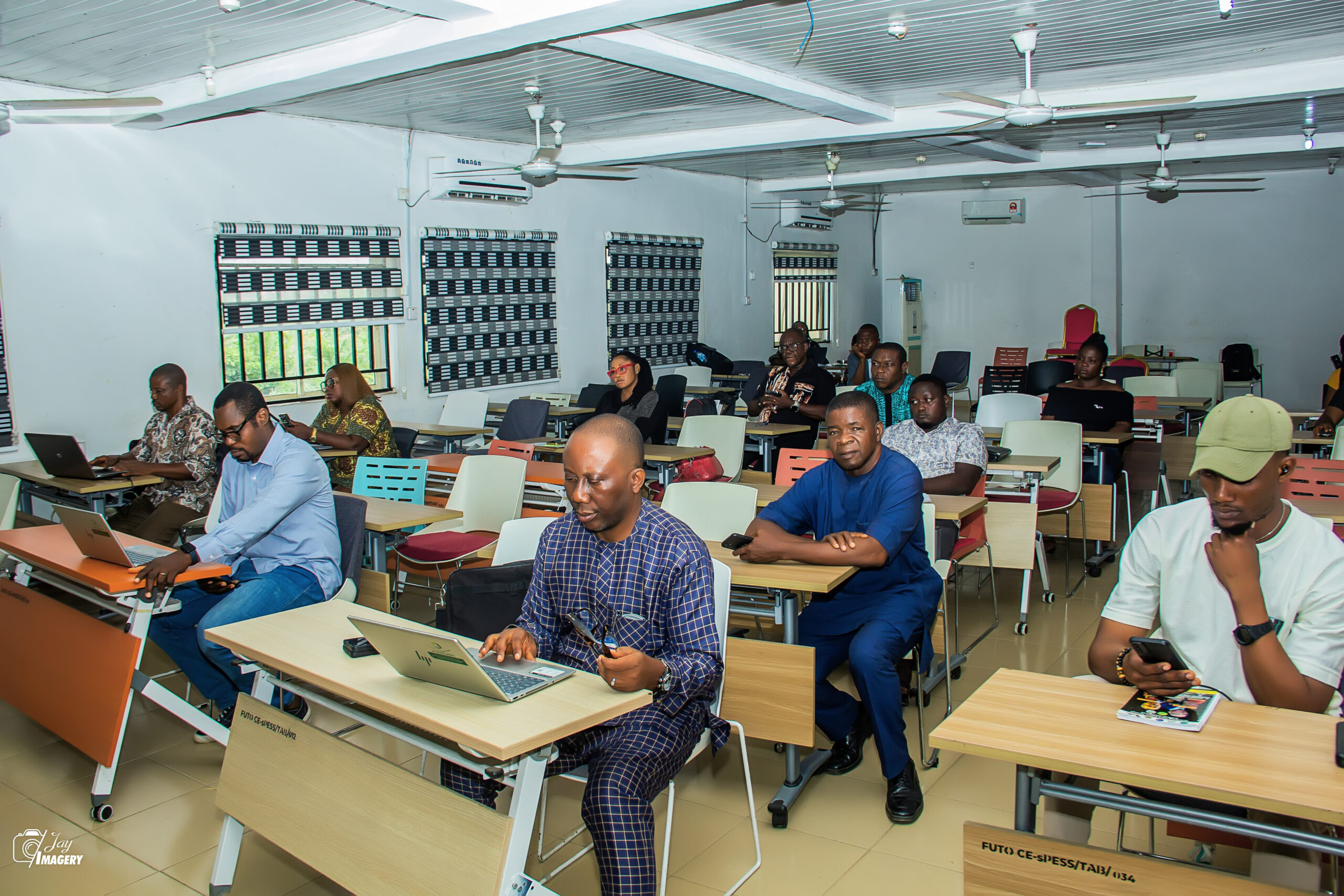
The February 2026 edition of the Executive Tracks A & B hybrid workshops at the Centre, which blends face-to-face sessions and instructor-led self-paced online learning on the FUTO Learning Management System (LMS). This training skilled up more than 1000 professionals in procurement management according to the law, Community Health and Safety risk identification and assessment, Environmental health implications of development projects, Preparation and implementation of Community Health and Safety Plans, Safeguarding Indigenous Peoples and Project-Affected Communities, in alignment with the World Bank Environmental and Social Framework (ESF) requirements and other Multilateral Development Banks (MDBs) standards, as well as relevant Nigerian laws and regulations.
While welcoming the participants at the opening ceremony, the Centre Leader, Prof Gloria Chukwudebe, stated that the training was designed to put quality education at participants’ fingertips and produce well-informed Procurement, Environmental and Social Safeguard Officers for socially inclusive development.
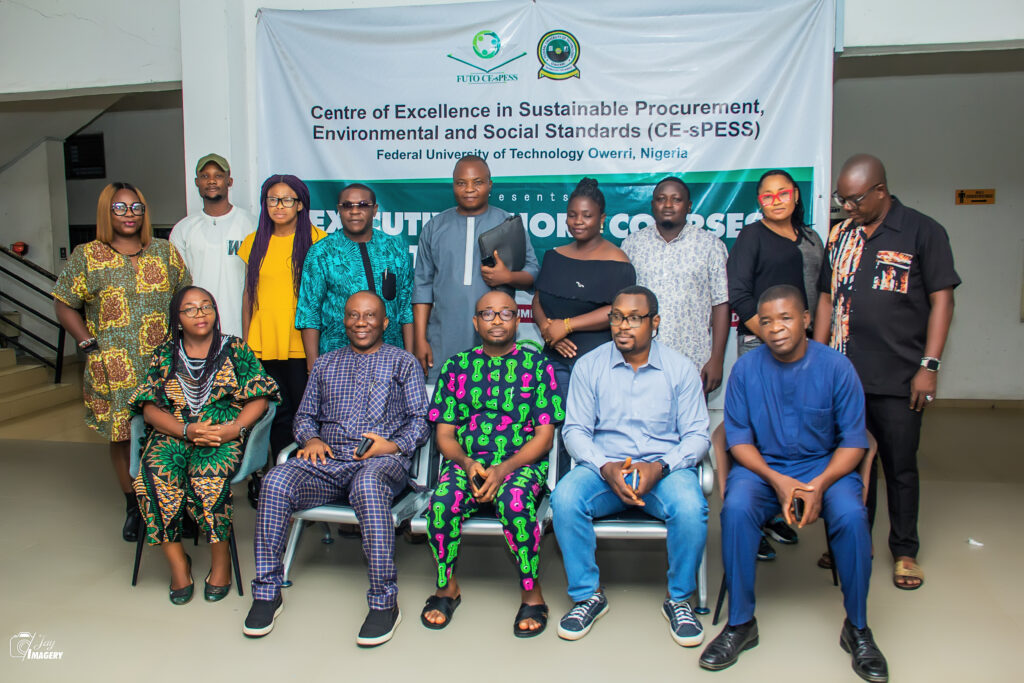
In her words, “Most procurements impact the environment and social life of the people, non-compliance with environmental and social standards can result in conflicts, outbreak of health issues, worsening climate change, and increasing poverty due to government acquisition of land without appropriate settlement of indigenes. Once there is adequate capacity to package Procurement and mitigate Procurement Risks in the country, our socio-economic development will triple in a short time.”
She therefore urged the participants to actively participate in the workshop and acquire skills to help them improve productivity in their various areas of endeavour.
The Modules covered included:
Procurement Management (PRM): Legal, Regulatory and Organisational Frameworks for Public Procurement, Strategic Procurement Planning and Budgeting, Procurement Management for Goods and Procurement Management for Works.
Environmental Standards (EVS): Understanding Environmental and Social Assessment and Environmental and Social Framework & Assessment Process
Social Standards (SSD): Fundamentals of Social Standards and Social Impact Assessment, Understanding Social and Environmental Impact Assessment, Land Acquisition, Resettlement, Planning and Implementation and Resettlement Action Plan (RAP) and Livelihood Needs Assessment Plan (LNAP) in World Bank and other MFI’s Financed Projects
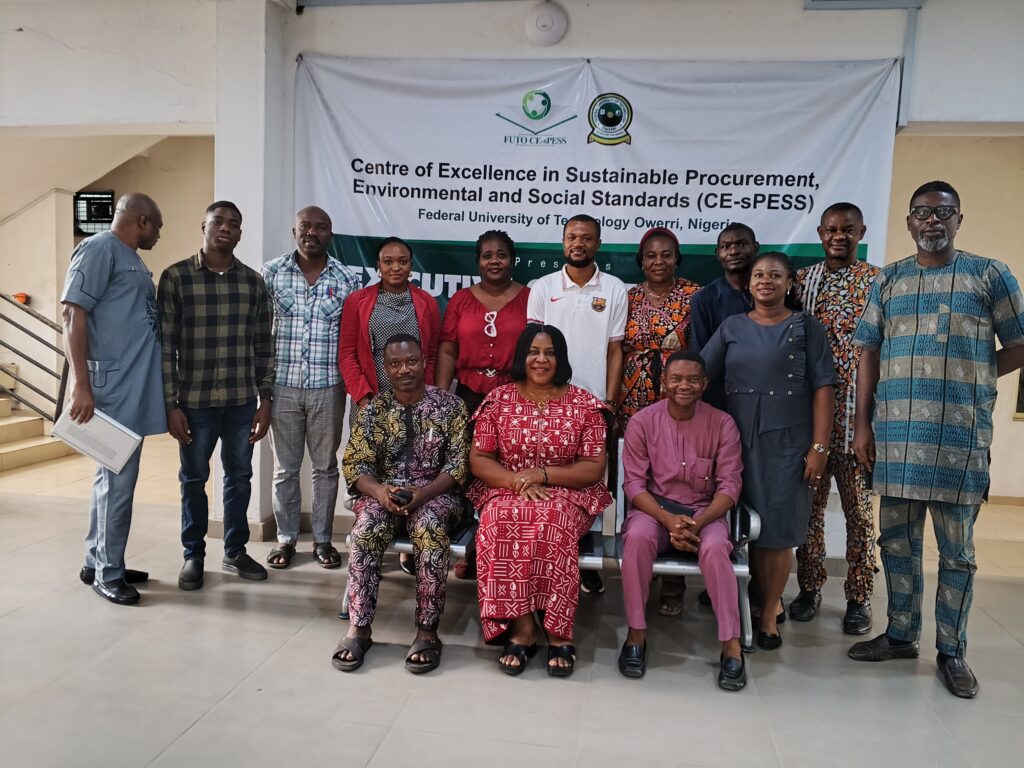
These modules were handled by well-experienced facilitators from the Centre, drawing examples from real-life situations and field experiences. The workshop also featured focused group discussions, case studies and hands-on tasks. At the end, participants expressed their excitement and satisfaction with the workshop. They appreciated the Centre and its leadership for packaging such a wonderful programme to enhance their skills, productivity and efficiency.
According to Olatoye Comfort, a PRM online participant, the workshop was incredibly insightful. “I want to express our collective gratitude and our heartfelt thanks to the organisers. Your meticulous planning and seamless execution made this complex programme flow effortlessly. From logistics to learning materials, every detail was handled professionally, creating an environment where we could focus entirely on learning. We have realised the importance of compliance and fairness in the procurement process, and very importantly, learnt that procurement is not just an administrative task, but a strategic function that drives organisational success,” she concluded.
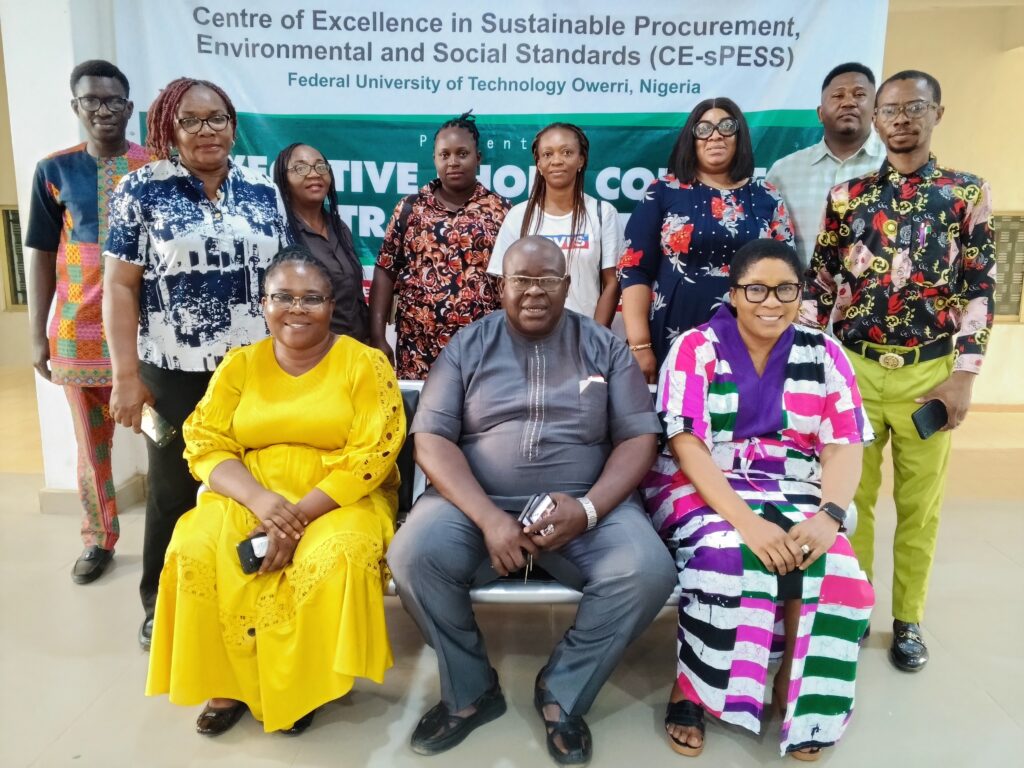
Another participant from the EVS module, Mr Abel Aaron, appreciated the efforts of the FUTO CE-sPESS in organising the programme, especially integrating digital learning. In his words, “I really enjoyed the programme, it was eye-opening. I learnt about the environment and social standards, how to enhance capacity for safeguard compliance and social risk management in World Bank Development projects. The insights on frameworks and processes were valuable”.
Finally, Mr Patric Ugbori, an SSD participant, noted that the Workshop was very interesting. “I am grateful for the depth of knowledge shared during the workshop, particularly the exposure to best practices in socially inclusive development. The sessions on Social Impact Assessment and Resettlement Planning were particularly enlightening. I hope to do my Master’s Degree and PhD in CE-sPESS. I appreciate FUTO CE-sPESS for the organisation, I thank World Bank and NUC too, for bringing the programme down to us”, he stated.