


By Treasure Attah
The Federal Government has announced plans to take internet infrastructure to all public primary and secondary schools across Nigeria through the Nigerian Research and Education Network (NgREN) beginning in 2027.
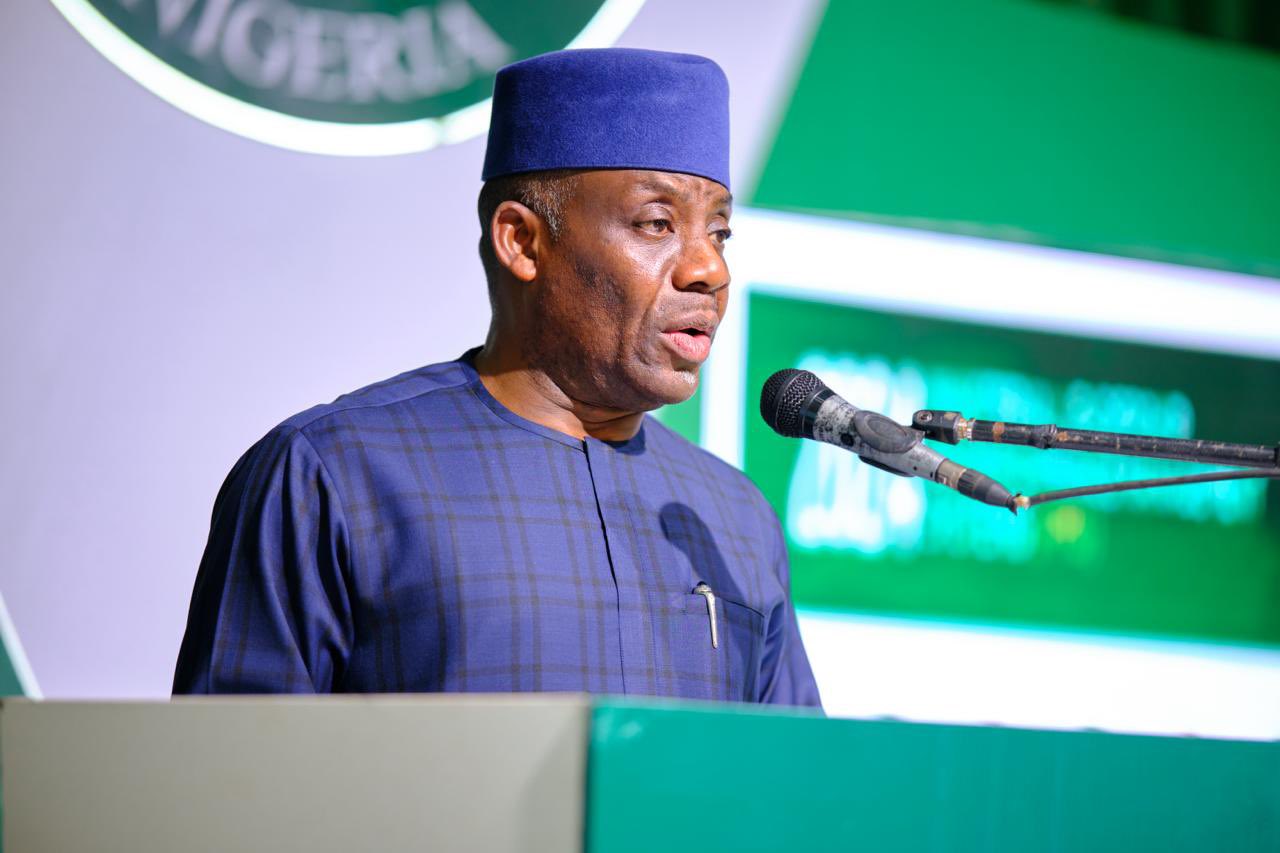
The Minister of Education, Dr Maruf Olatunji Alausa, said the plan is part of efforts to expand digital connectivity and strengthen technology-driven education nationwide.
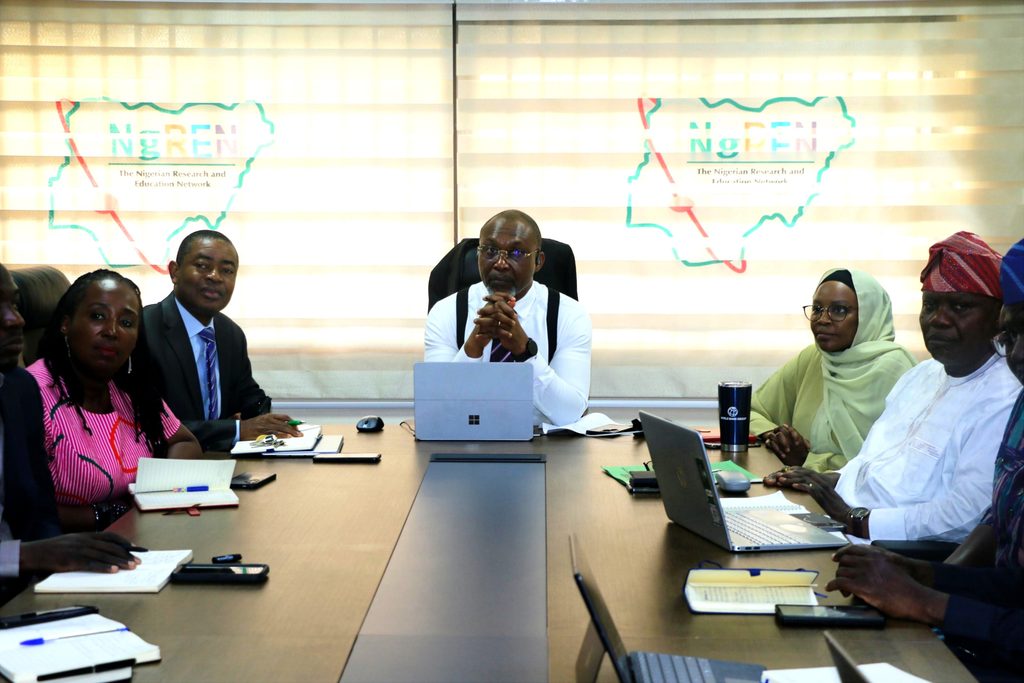
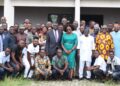
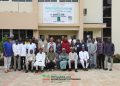
Chairman of the Board of NgREN, Chief Osita Chidoka, made this disclosure on Tuesday at a stakeholders’ meeting held at the NgREN office, Abuja, which brought together representatives of government agencies, telecommunications companies and other key players in Nigeria’s digital education ecosystem.
According to the Chairman, NgREN has the responsibility of providing connectivity to Nigerian tertiary institutions, but the minister has expanded the range to include secondary schools and basic education.
“This amounts to connectivity for the whole education sector. It is a very ambitious project, but it is doable, and we believe that with all the stakeholders on the table, we should be able to deliver this opportunity to Nigerian students. Education is a very critical part of our country, and we believe that investing in education is investing in our future. No country can make progress without education”, Chidoka emphasised.
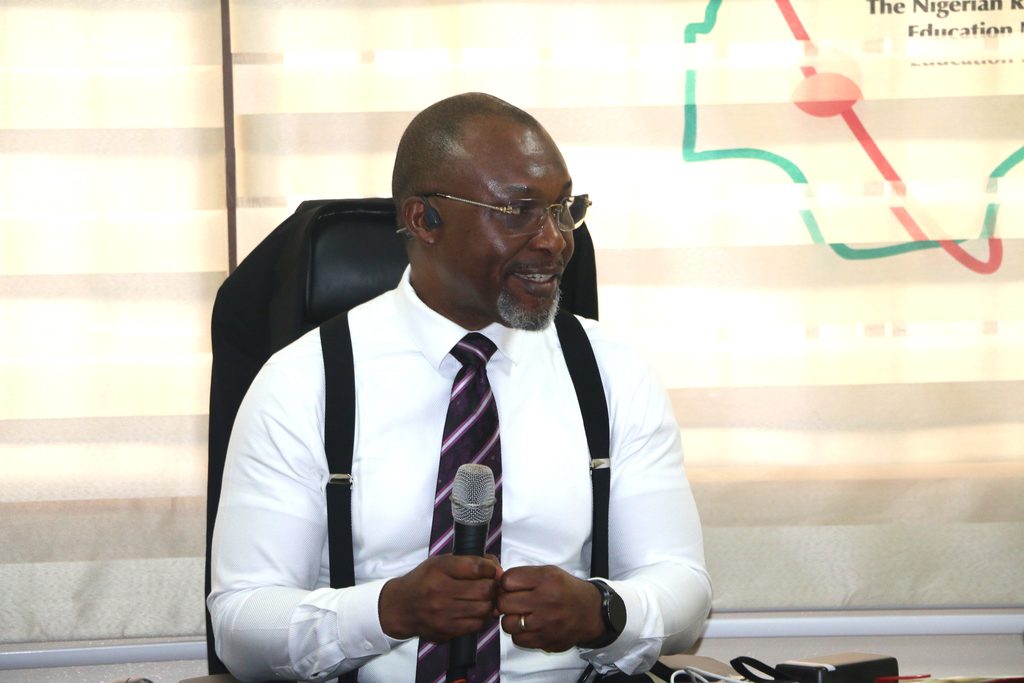
He added that the meeting was initiated so it could gather data on what is currently happening at the basic and secondary education level and to design what can be achieved in 2027, as the goal is to begin a substantial pilot that takes the connectivity project across the 36 States.
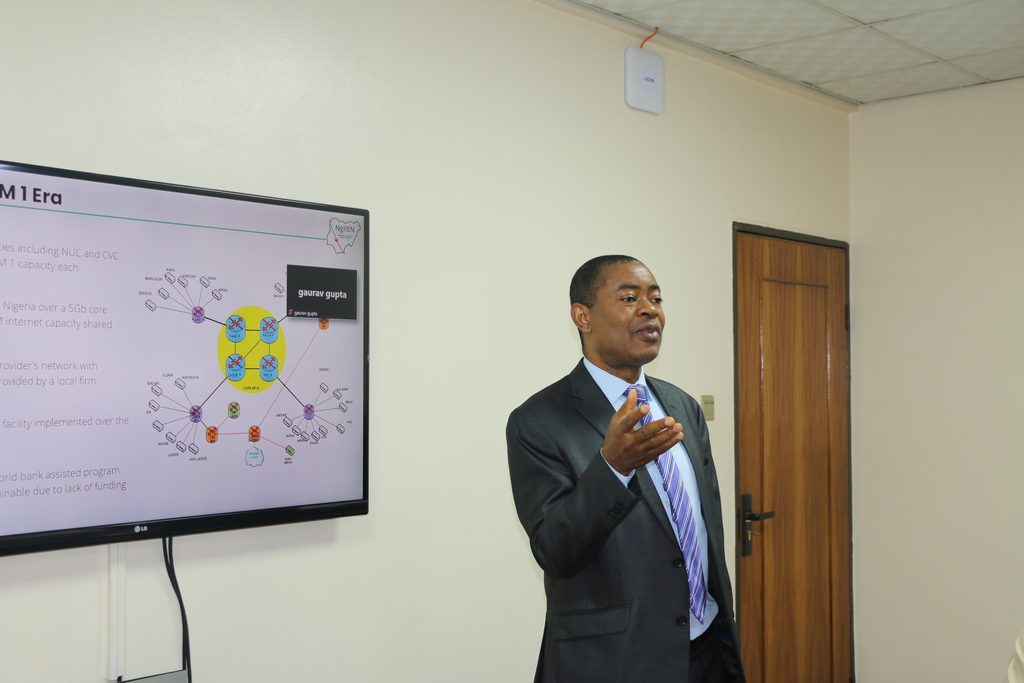
In his presentation to the Stakeholders, Programme Coordinator, NgREN, Dr Joshua Atah, who began with a brief on NgREN’s evolution, existing infrastructure, and connectivity challenges, explained the plan to extend reliable broadband services to more institutions, including schools in underserved rural and urban communities.
According to him, a key part of the expansion will be the deployment of local area network infrastructure within schools, enabling connectivity to be distributed across classrooms and other facilities.
“The planned expansion is expected to improve access to online learning resources, digital teaching tools, virtual collaboration and other technology-enabled educational services, particularly for schools in underserved communities,” Atah added.
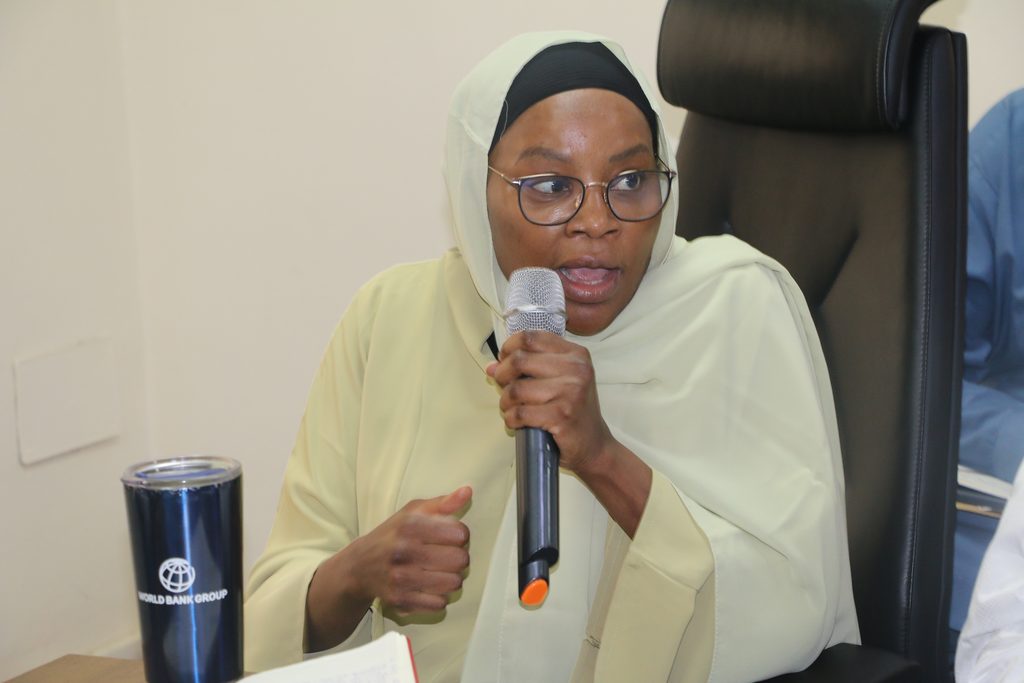
The Executive Secretary of the Universal Basic Education Commission (UBEC), Hajia Aisha Garba, while expressing pleasure at the development, said the commission has developed models and initiatives in delivering digital technology, hardware and infrastructure to schools.
According to her, UBEC has covered about 2,000 schools out of over 200,000. “As regulators, we provide models and basic standards, leveraging solar and satellite systems.”
The Nigerian Communications Commission (NCC) and the Universal Service Provision Fund (USPF), represented by the Director, Research and Development, Engr Babagana Digima, and supported by the Manager, Caspar Lakpini, disclosed that their organisations are also implementing a similar project using the Starlink network for ease of deployment pending the full national coverage of the optic fibre network. They also provide cloud and internet infrastructure.
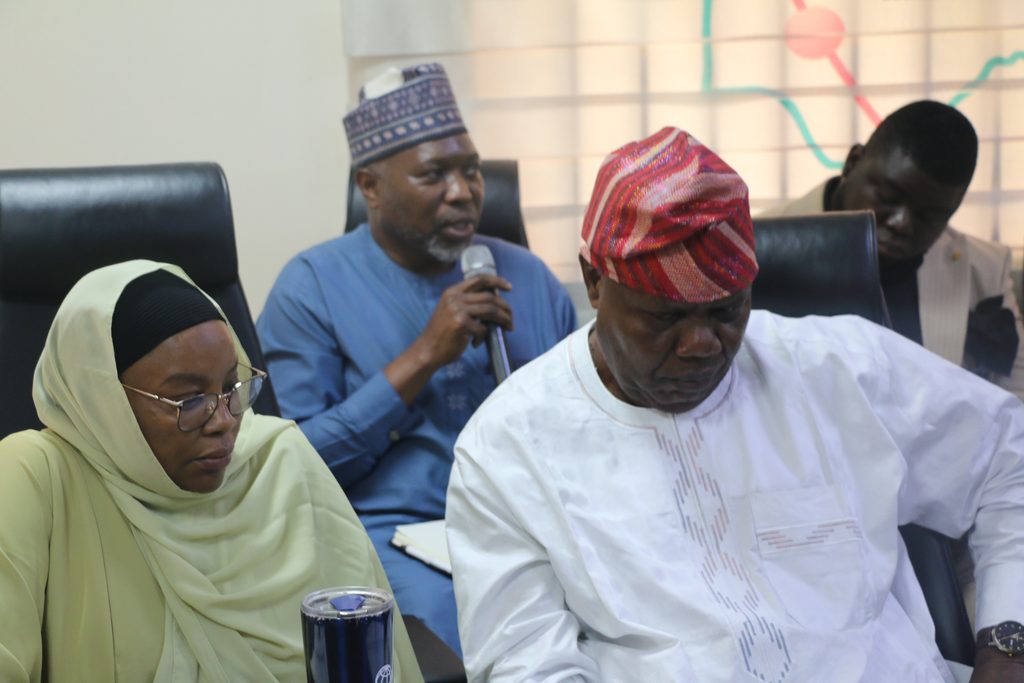
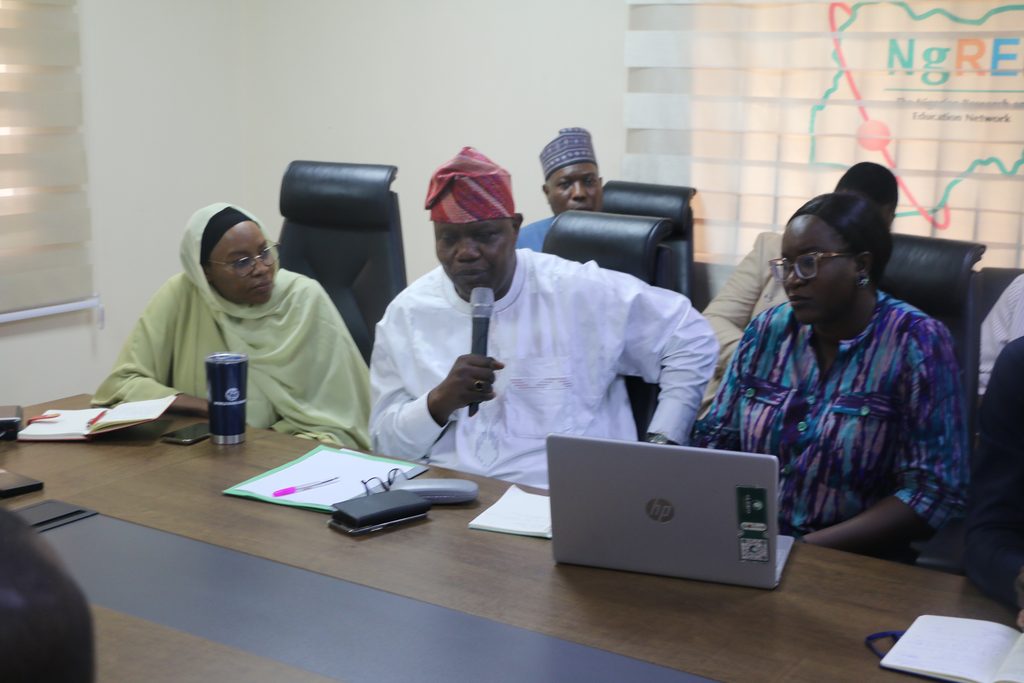
The National Information Technology Development Agency (NITDA), represented by the Director, Digital Development, Mr Oladejo Olawumi, said the agency is also providing Information Technology infrastructure hubs and centres, all equipped with internet, in over 1,000 locations nationwide.
The Executive Secretary of the National Senior Secondary Education Commission (NSSEC), Dr Iyela Ajayi, had in an earlier meeting informed NgREN that the NSSEC had no subsisting initiative aimed at providing internet connectivity in secondary schools in the country due to paucity of funds.
Telecommunications stakeholders at the meeting highlighted the need for resilient infrastructure and innovative solutions to ensure that connectivity reaches schools regardless of their location.
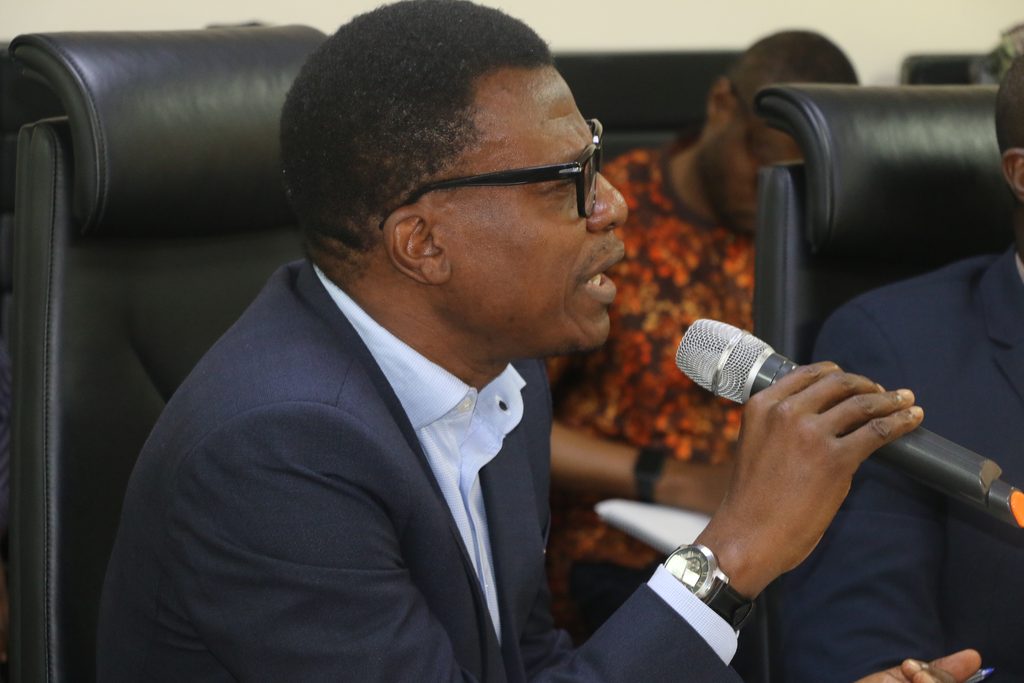
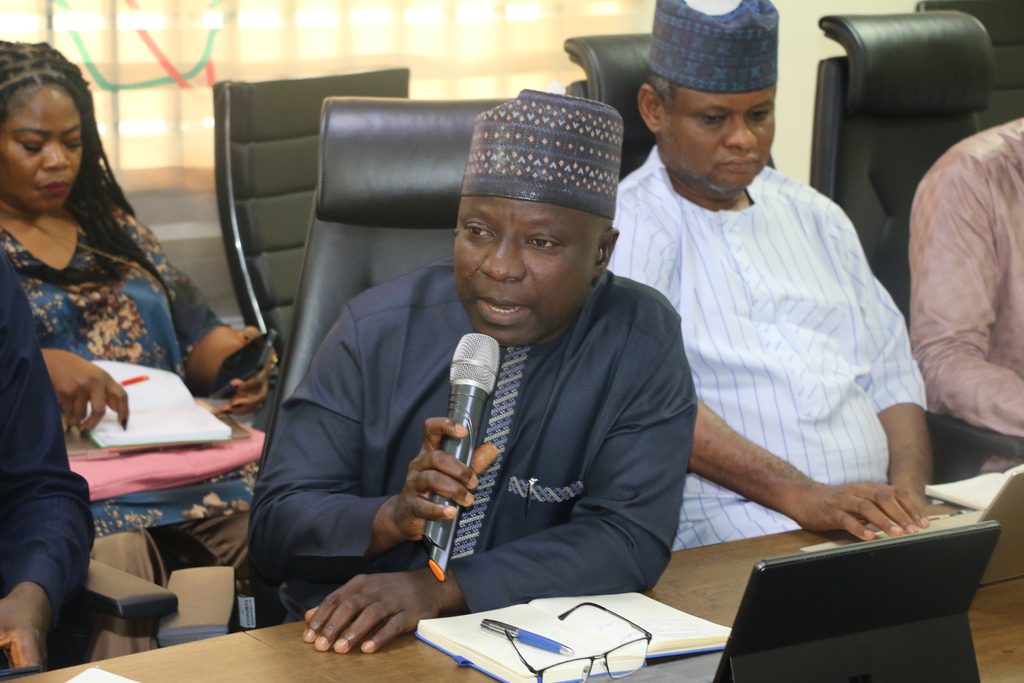
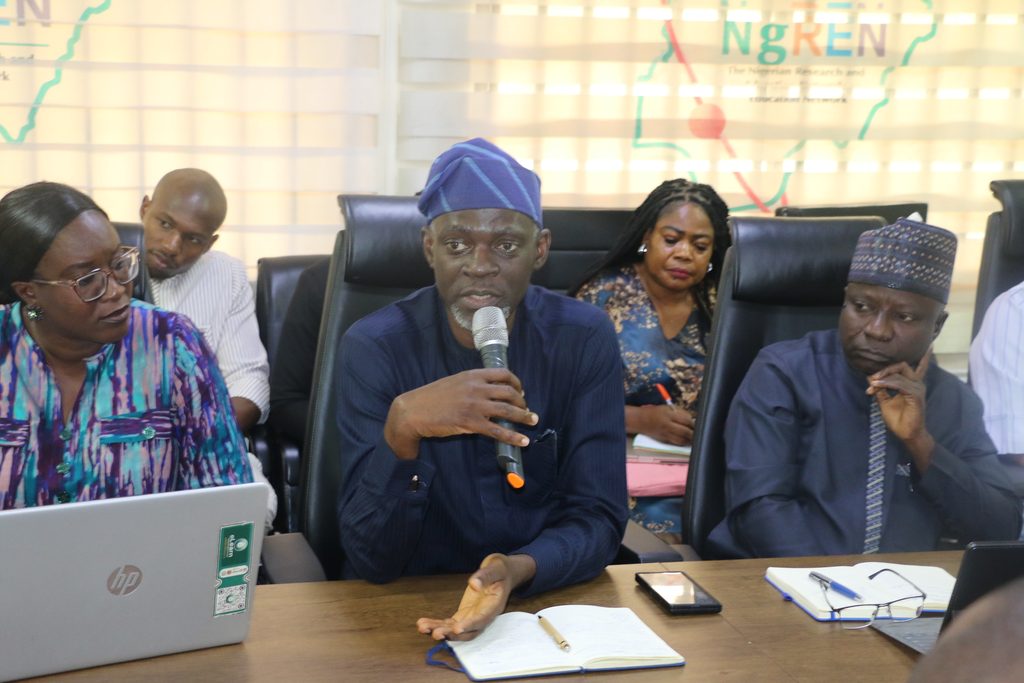
MTN’s Senior Manager, Enterprise Business, Mr Loye Idowu, highlighted ongoing efforts at addressing infrastructure and power-related challenges, while noting the importance of collaboration among stakeholders in delivering reliable connectivity to schools.
Airtel’s Head, Business (North), Mrs Ugonna Uzomah, also highlighted the need for a network architecture capable of providing consistent services across both rural and urban areas, reinforcing the importance of infrastructure that can remain reliable beyond major population centres.
From GLO, Regional Manager, Mr Sarafa Kolawole, noted the company’s partnership efforts with a satellite company as part of emerging solutions for expanding connectivity in Nigeria.
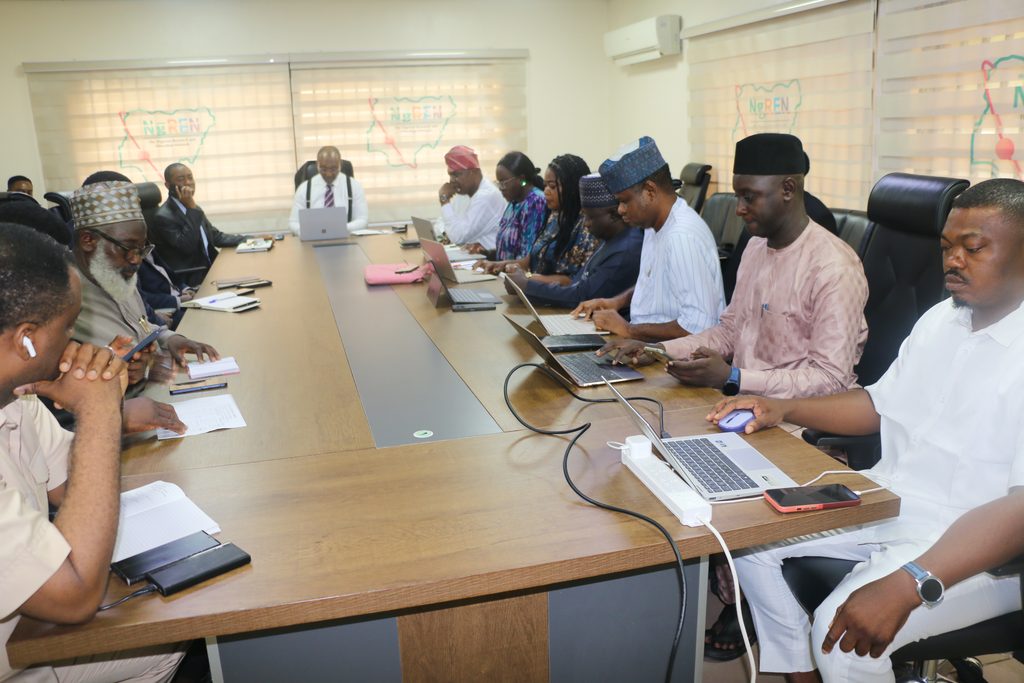
The stakeholders also discussed deploying technology-enabled solutions, including computing facilities and other digital resources, in schools, with the USPF playing a role in supporting connectivity in underserved locations.
The next phase of NgREN will focus on connecting all Nigerian institutions of higher learning, 295 TETFund beneficiary institutions and public primary and secondary schools.
The meeting ultimately underscored the need for sustained collaboration among government, telecommunications operators, development partners, and educational institutions to build a reliable and inclusive digital education network capable of meeting Nigeria’s growing connectivity needs.