
By Emmanuel Daudu
The first set of undergraduates under the World Bank-supported Sustainable Procurement, Environmental and Social Standards Enhancement (SPESSE) Project in Nigeria are expected to graduate this year from the Centre of Excellence in Sustainable Procurement, Environmental and Social Standards (CE-sPESS) at the Federal University of Technology, Owerri (FUTO) — a milestone in the project’s implementation.
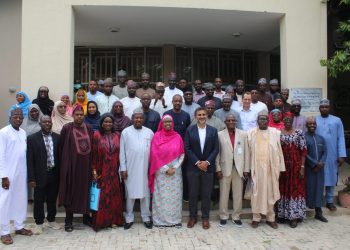
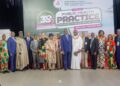
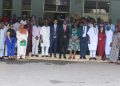
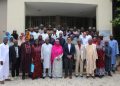
The development was disclosed during the World Bank’s Technical Mission on the SPESSE Project, held from September 21 to 24, 2026, at the New Boardroom, Julius Okojie Building, National Universities Commission (NUC), Maitama, Abuja. The mission reviewed the closing status and final results of the SPESSE Original Financing, verified the final Performance-Based Conditions (PBCs), and assessed outstanding disbursements and progress on actions agreed during the previous Implementation Support Mission.

Speaking at the opening of the mission, the Director, Special Projects, Dr Joshua Atah, said the project had recorded steady progress, particularly in student enrolment and graduate output. He described SPESSE as a landmark initiative addressing strategic capacity gaps in public procurement, environmental sustainability and social standards across Nigeria, noting that it is building specialised human capacity through sustainable training, research and professional development programmes — contributing to good governance, transparency and sustainable development.


Atah said the progress recorded under the project would not have been possible without the support of the World Bank Task Team, the coordination of the NUC, the commitment of university Vice-Chancellors and Centre Leaders, and the dedication of the various implementation teams. He acknowledged, however, that some bottlenecks remained, stressing the need for technical clarity and joint guidance to resolve outstanding issues as the project approaches the end of its current financing phase. He also emphasised the importance of effective and efficient use of project funds, institutional stability, and strategies for repositioning the Nigerian university system for excellence and global competitiveness.


Also speaking, Ishtiak Siddique, Lead Procurement Specialist and Task Team Lead (TTL) for the project in Nigeria, reviewed the status of the project’s Performance-Based Conditions and Results Framework. He updated participants on relevant project data and the final Monitoring and Evaluation (M&E) report, stressing the need for reported results to reflect the progress and achievements recorded under the project accurately.
Siddique noted that participating universities had been submitting reports on their activities and achievements, and underscored the importance of accurate, timely and comprehensive reporting in assessing implementation and measuring results. While commending some universities for what he described as great work, he urged others to work harder and intensify their efforts to meet the project’s targets and deliverables.


The SPESSE Project is designed to strengthen Nigeria’s capacity in sustainable public procurement, environmental sustainability and social standards by supporting training, research and institutional development within participating universities. The expected graduation of its first cohort at FUTO this year marks a major early outcome of that investment.