


By Nusaiba Ibrahim Na’abba
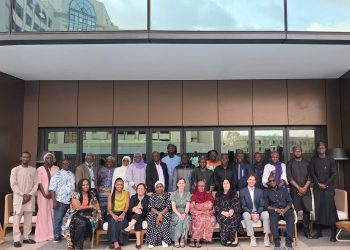
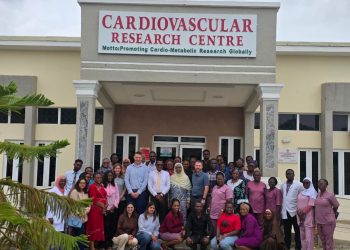
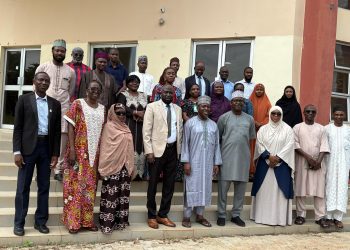
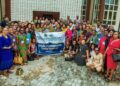
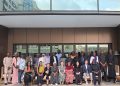
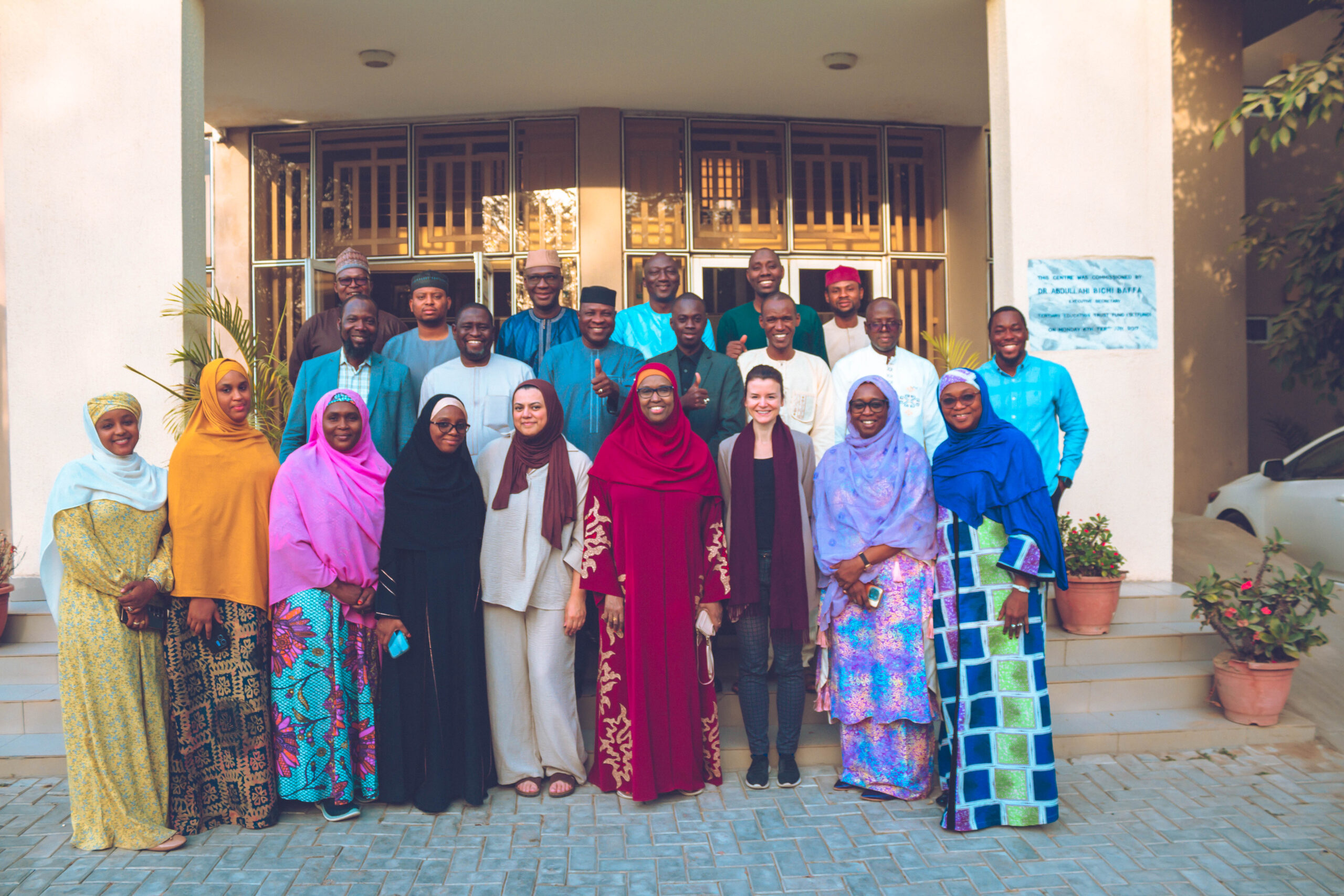
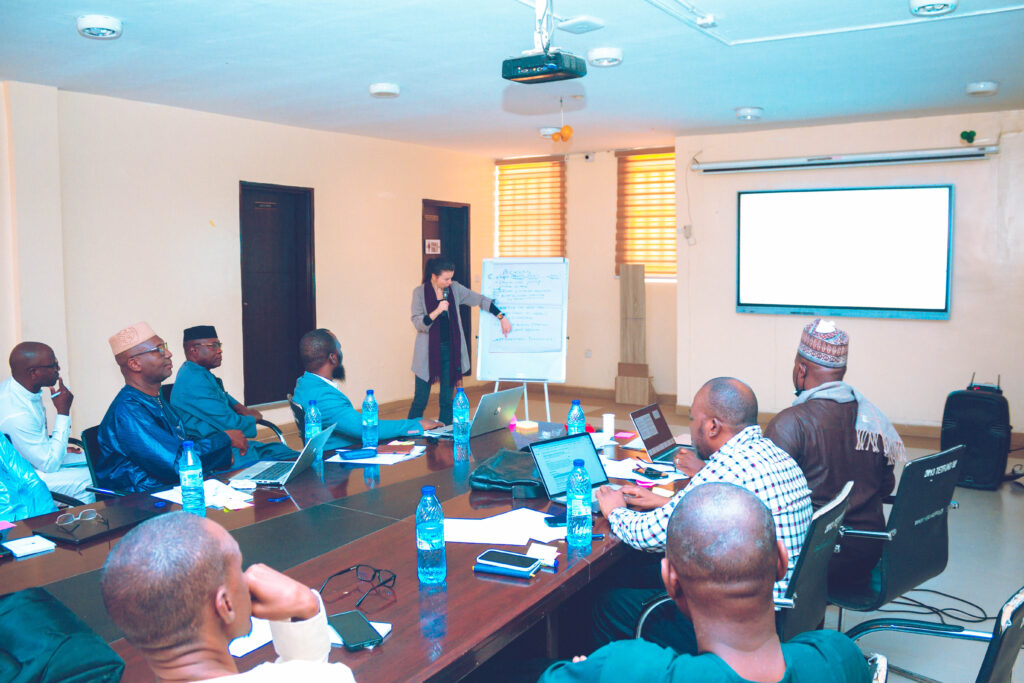
The African Centre of Excellence for Population Health and Policy (ACEPHAP), working alongside Every Pregnancy, Pathfinder International, Islamic Relief in Mali and the United Kingdom, recently hosted a collaborative training that brought partners together to rethink how maternal and child health challenges can be addressed more effectively in Nigeria and Mali. Conversations went beyond strategy, focusing on people, mothers, newborns, and families whose lives depend on timely, quality care.
Speaking at the event, Director of ACEPHAP, Professor Hadiza Shehu Galadanci, said the initiative will utilise and boost the use of local resources to finance healthcare at community levels.
According to her, “more awareness and funds will be mobilised during the month of Ramadan as it is a month of giving”.
In her remarks, the Chief Operating Officer of Every Pregnancy, Marleen Vellekoop, said the project aims to support around 40, 000 women across Mali and Nigeria with a bundle that will reduce maternal and child mortality.
Some of the representatives of Islamic Relief Mali who graced the event include Dr Kizito Dabou (Commissioner of Health, Timbuktu region), Dr Amadou Diakite and Dr N’fadama Boiré. They explained that their region also faces a high level of maternal and child mortality, making the programme well-suited to strengthening their country’s health system.
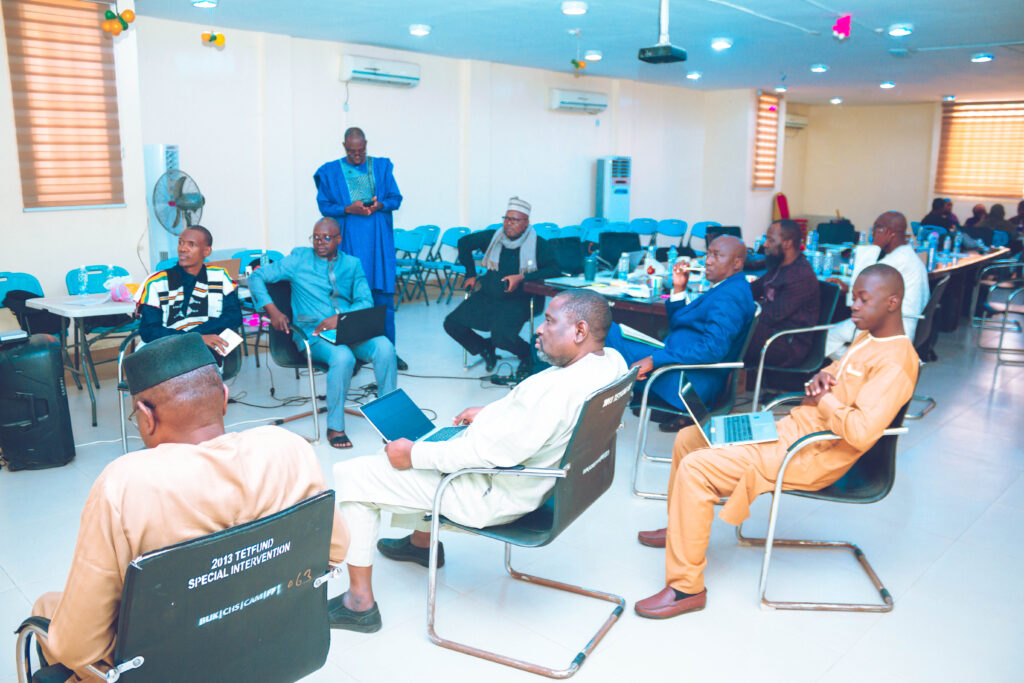
This collaboration is distinct for its scale of ambition and the clarity of its mission. The project is designed with a bold target: to save the lives of 25,000 women and children in Nigeria and 15,000 in Mali. Rather than relying solely on conventional funding streams, the initiative is anchored in the power of Islamic philanthropy, drawing support from donors and faith-based organisations committed to social impact. This approach not only ensures sustainability but also reflects a model of community-driven responsibility for health outcomes.
Throughout the training sessions, partners shared lessons from their diverse contexts: policy, implementation, humanitarian response, and community engagement, thus creating a rich exchange of ideas. There was a shared understanding that reducing maternal and child mortality requires more than isolated interventions; it demands coordinated systems that reach women before, during, and after childbirth. The discussions highlighted the importance of trust, cultural sensitivity, and evidence-based practices in shaping solutions that truly work on the ground.
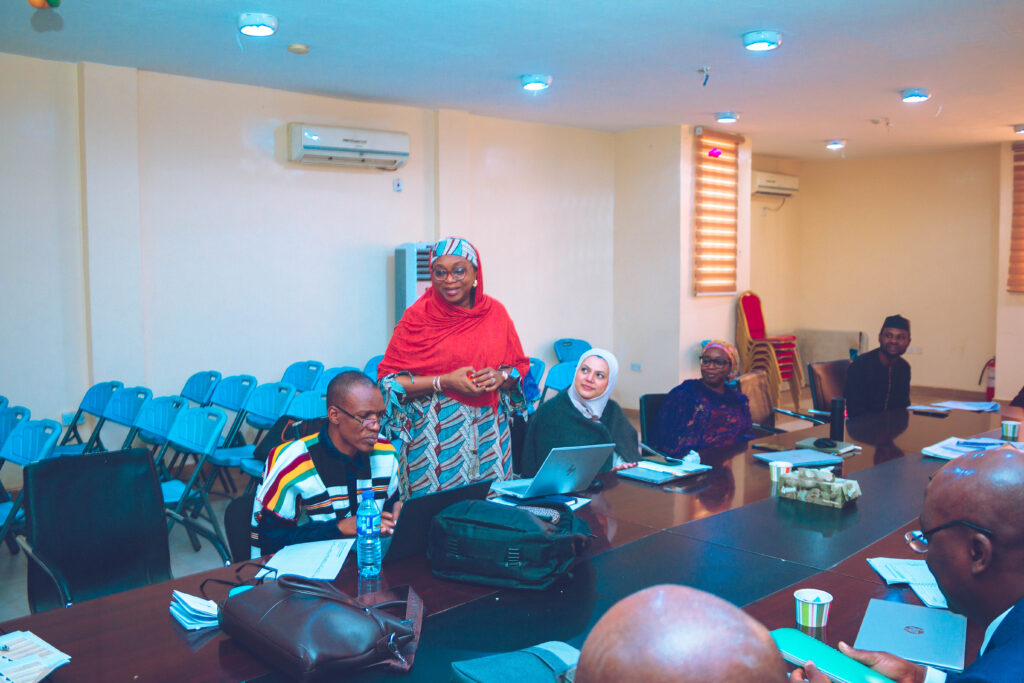
Representatives from Islamic Relief in Mali and the United Kingdom were in consensus that maternal mortality is a challenge on the continent and were particularly interested in using the E-motive bundle to support successful child delivery.
Central to the project is a comprehensive pregnancy care bundle that will provide women with essential support throughout the entire childbirth journey. From pregnancy to delivery and the postnatal period, the bundle is designed to close critical gaps in maternal care. It includes the E-MOTIVE bundle, an ACEPHAP innovation aimed at improving the prevention and management of postpartum haemorrhage, one of the leading causes of maternal deaths. By integrating this innovation into routine care, the project seeks to translate research and policy into life-saving action.