


The operational and governance structure of the Nigerian Research and Education Network (NgREN) will be restructured to reflect its eventual integration with the Tertiary Education, Research, Applications and Services (TERAS).
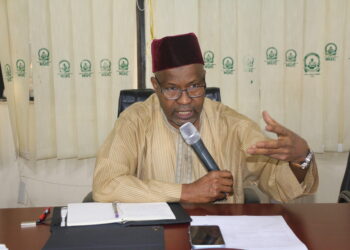
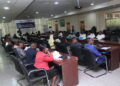
Disclosing this recently at the 12th meeting of the NgREN Board, the Board Chairman, Osita Chidoka, explained that the development will eliminate duplication of services provided by both organisations, reduce costs, improve efficiency, and create a variety of services.
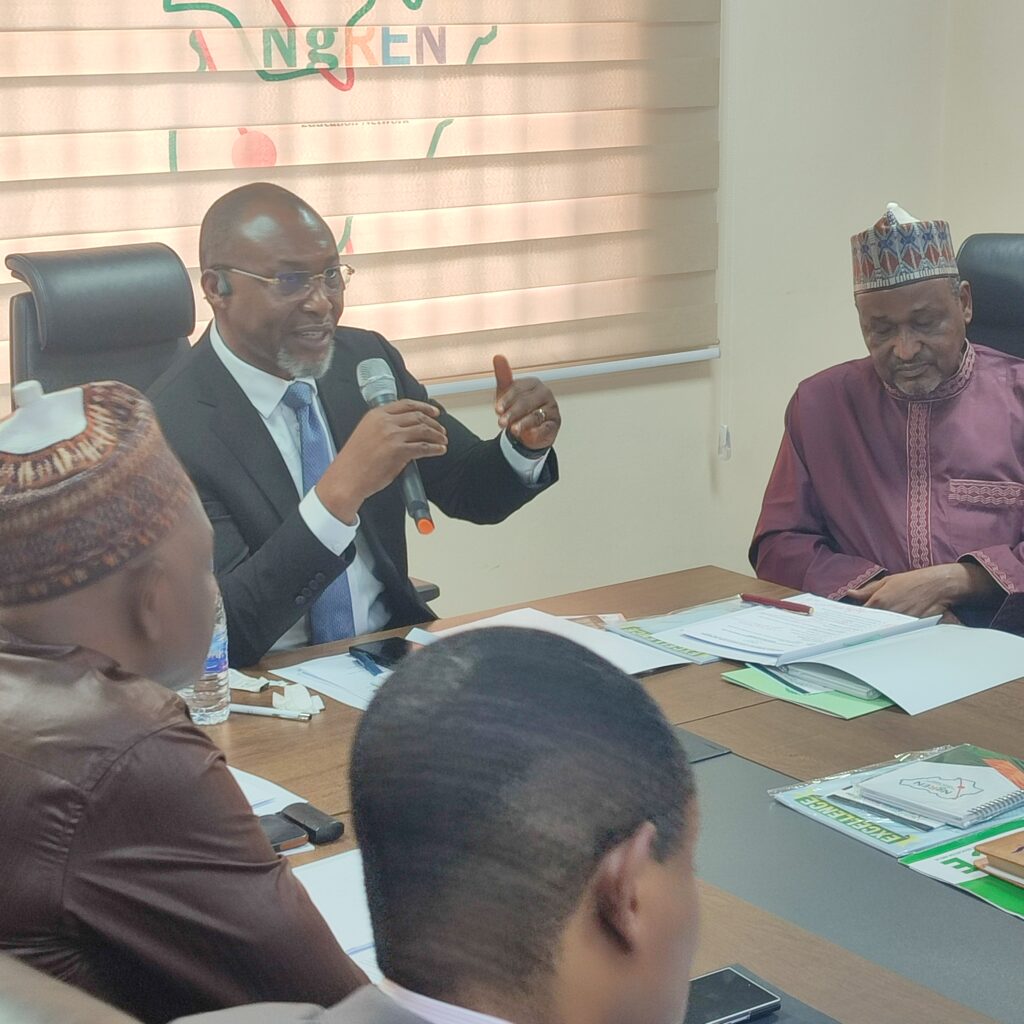
While mandating a technical committee comprising leaders from both organisations, the Chairman urged them to establish a single organisation, a unified governance structure, and a streamlined service delivery system.
He added that beneficiary institutions will be free to select from the comprehensive range of services that the integrated organisations will offer, based on their needs.
The Honourable Minister of Education, Dr Tunji Alausa, had directed that both organisations be integrated, their services harmonised, and made accessible to educational institutions. TETFUND was also instructed to provide connectivity support to its beneficiary institutions, to reduce duplication of government resources and achieve cost efficiency.
NgREN is one of the member Research & Education Networks (RENs) within the West and Central African Research and Education Network (WACREN). NgREN was established in 2012 by the NUC in collaboration with the Committee of Vice-Chancellors (CVC) and Nigerian universities, with support from the World Bank. It aims to create an elaborate infrastructural backbone that links all research and educational institutions in Nigeria and connects them with other RENs across the globe for knowledge exchange. TERAS, on the other hand, is a service sponsored by TETFund which provides a centralised hub for tertiary education services, fostering collaboration, efficiency, and innovation by providing a wide range of capabilities and functionalities for tertiary education institutions, students, researchers, and the entire education ecosystem.
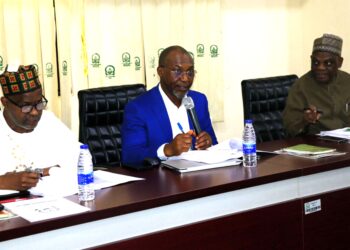
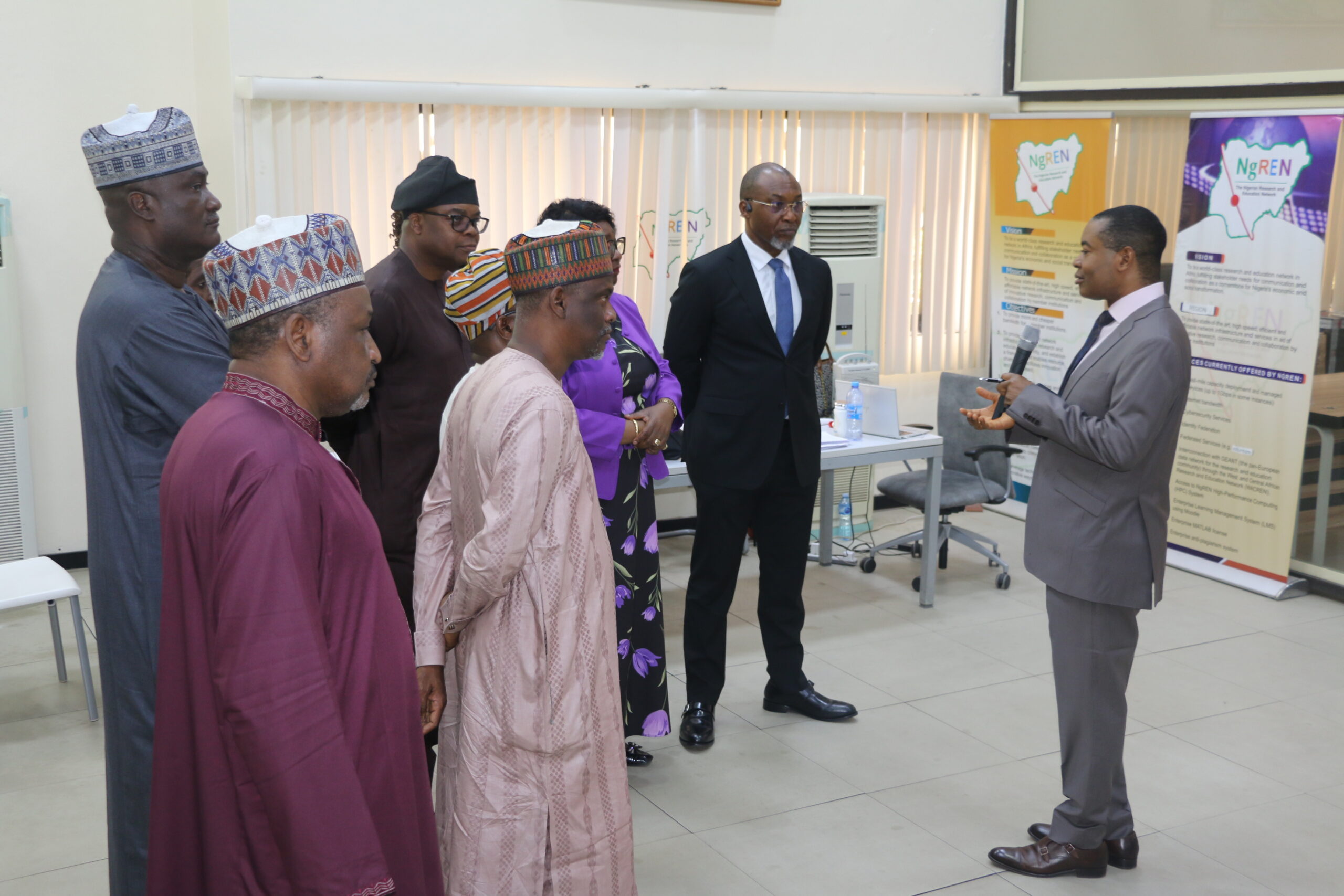
Addressing the board members, Dr Joshua Atah, Director of Special Projects at the National Universities Commission (NUC) and Managing Director of NgREN, outlined the current structure and evolution of NgREN.
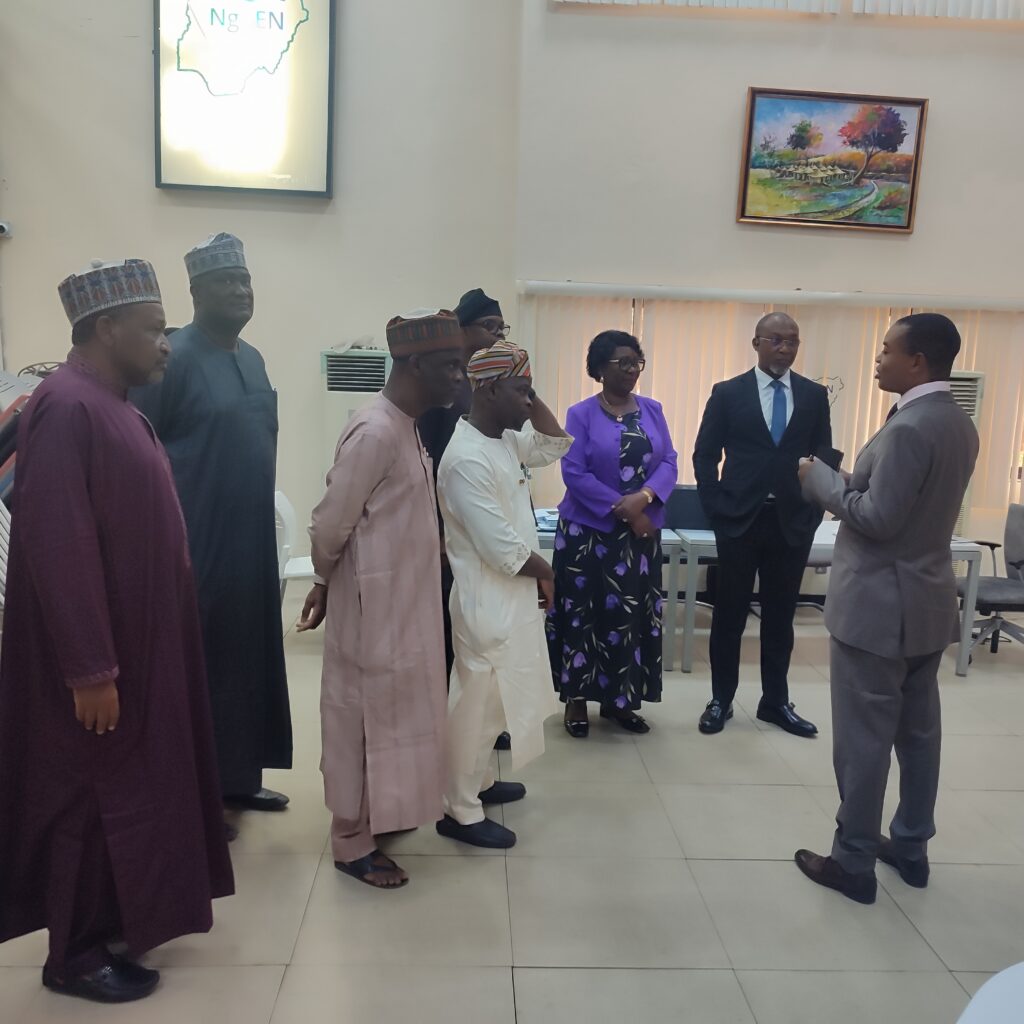
He explained how the network is physically interconnected via regional and global routes, with bandwidth allocation determined by the capacity of the last-mile connections.
Atah highlighted that NgREN, which connects universities, colleges, and research institutions across Nigeria, was established as a non-profit limited liability entity in 2014, following approval of the Federal Government, and has received support from various development partners, including the World Bank.
He observed that although funding challenges have persisted since 2015, the network continues to deliver vital services such as cloud computing, MATLAB, and repository access across institutions. He also provided insight into infrastructural challenges over the years, the process of integration with the TERAS platform, urgent requirements, immediate next steps, and other recommendations. He emphasised the importance of leveraging existing infrastructure rather than constructing new systems and highlighted the need to develop a centralised database to manage and coordinate interventions effectively, with a plan to present a comprehensive strategy to stakeholders.
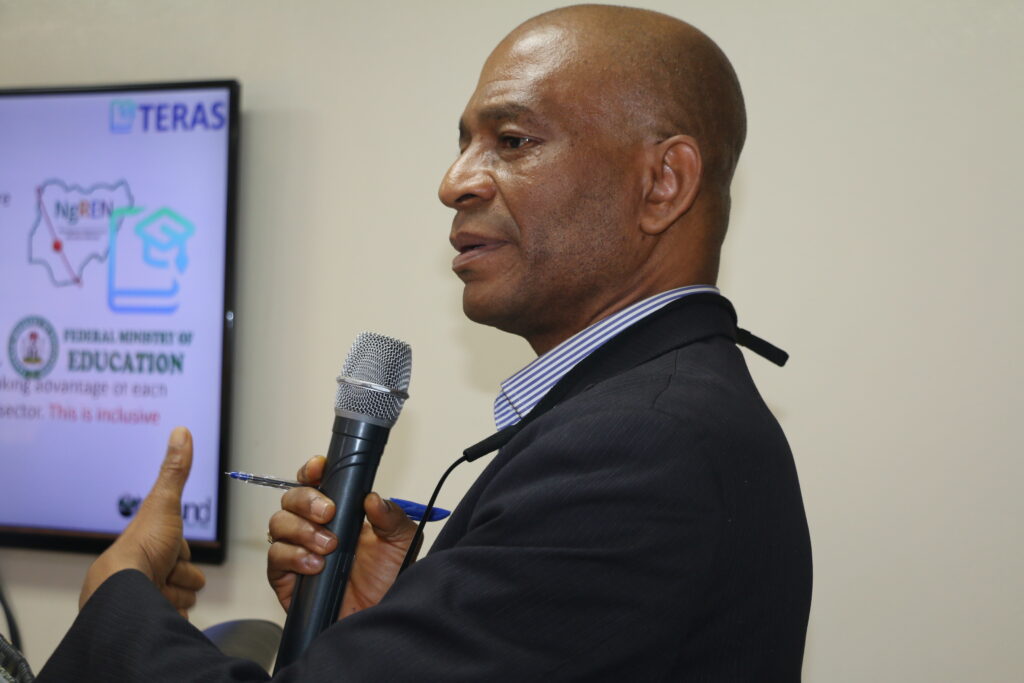
Representing TERAS, the Director of Information and Communication Technology (ICT) at the Tertiary Education Trust Fund (TETFUND), Engr. Joseph Odo discussed the development and deployment of TERAS, which offers access to tertiary education services, data, and analytics for students, lecturers, and administrators.
According to him, the platform currently offers 11 active services, including learning management systems, productivity tools, and research databases like EBSCO, which are available to up to 300 institutions at aggregated pricing. The platform is utilised by an average of 7,000 daily users and can be accessed via desktop and mobile applications, with plans to incorporate more services and extend its reach.
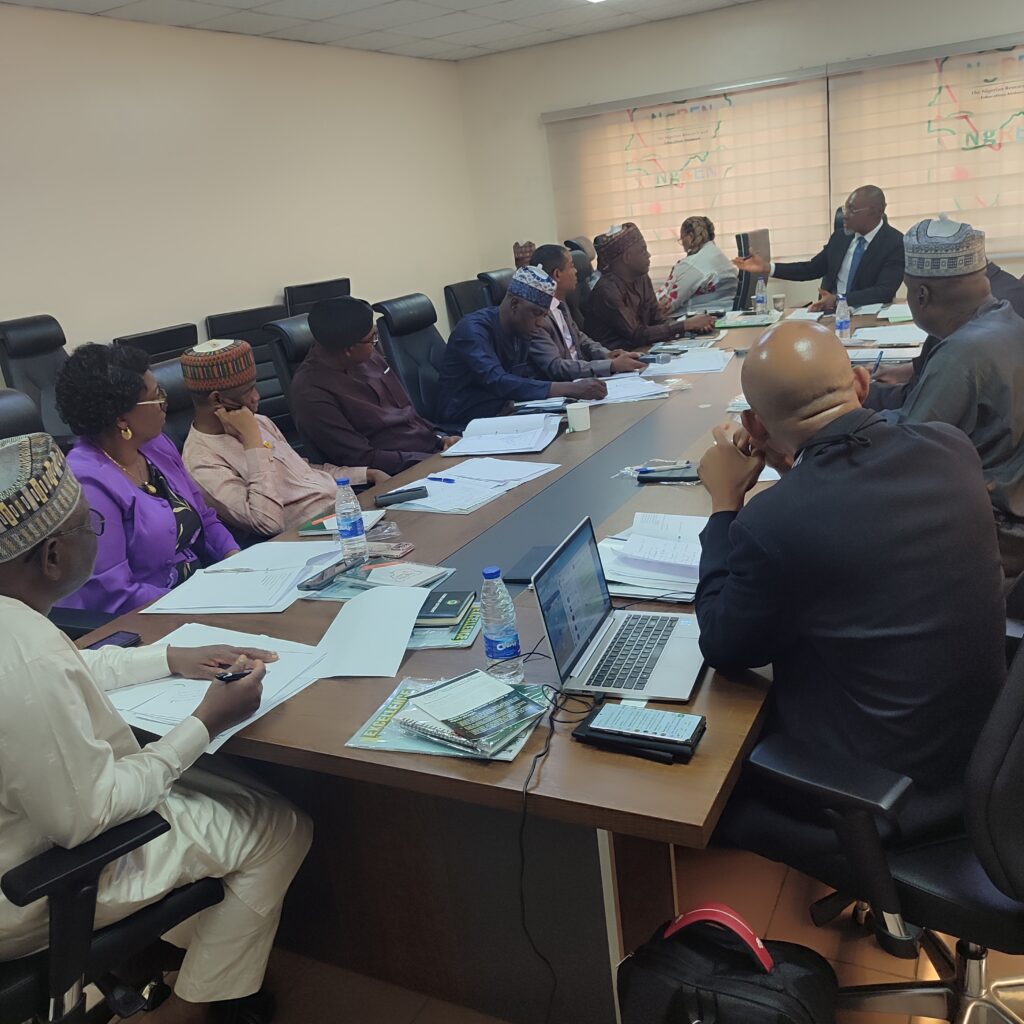
The board reviewed the current state of connectivity among higher education institutions in Nigeria and explored ways to enhance it. The presentation proposed that TERAS concentrate on content provision while NgREN manages connectivity infrastructure and identity federation. Proposal to the Minister of Communication, Innovation, and Digital Economy regarding fibre extension to campuses was also discussed, along with the need for capacity building and interconnection of campuses.
Discussions also covered the sustainability and maintenance of government infrastructure, balancing government revenue expectations with free access by various agencies, potential collaboration between NgREN and Galaxy Backbone, the importance of sectoral research and education networks, and the necessity of aggregating educational services like Moodle and Blackboard without forcing institutions to adopt specific platforms. The current fibre infrastructure and its connection to tertiary institutions were also examined.
Members unanimously agreed on the importance of centralising bandwidth allocation and directed the technical committee to oversee the harmonisation of the services. A follow-up meeting was scheduled to review reports and develop a forward plan.