


By Jeremiah Ugwu
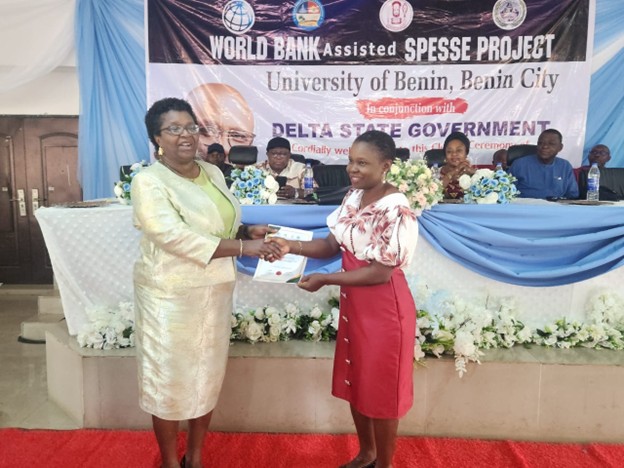
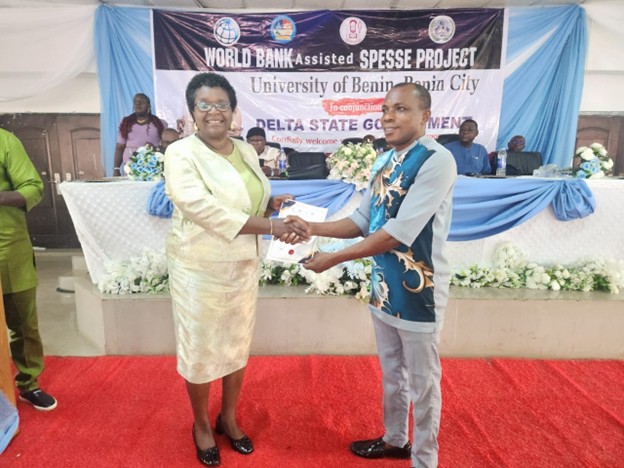
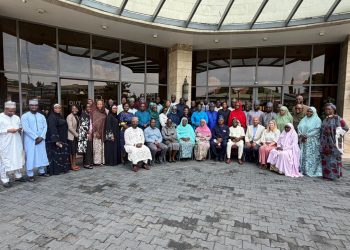
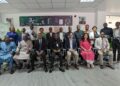
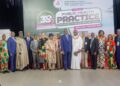
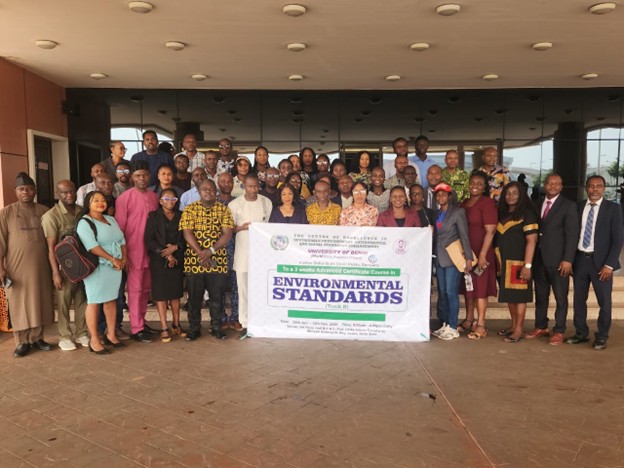
The Sustainable Procurement, Environmental and Social Standards Enhancement Centre of Excellence (SPESSECE) of the University of Benin (UNIBEN), in collaboration with the Delta State Government, has completed a three-week Advanced Certificate Course for civil and public servants to strengthen their capacity in Procurement Management, Environmental Standards, and Social Standards.
The training, titled “Enhancing Public Service Impact Through Strategic Training,” was designed to equip participants with the knowledge, tools, and competencies needed to improve governance processes, ensure transparency in procurement, and integrate environmental and social safeguards into public-sector operations.
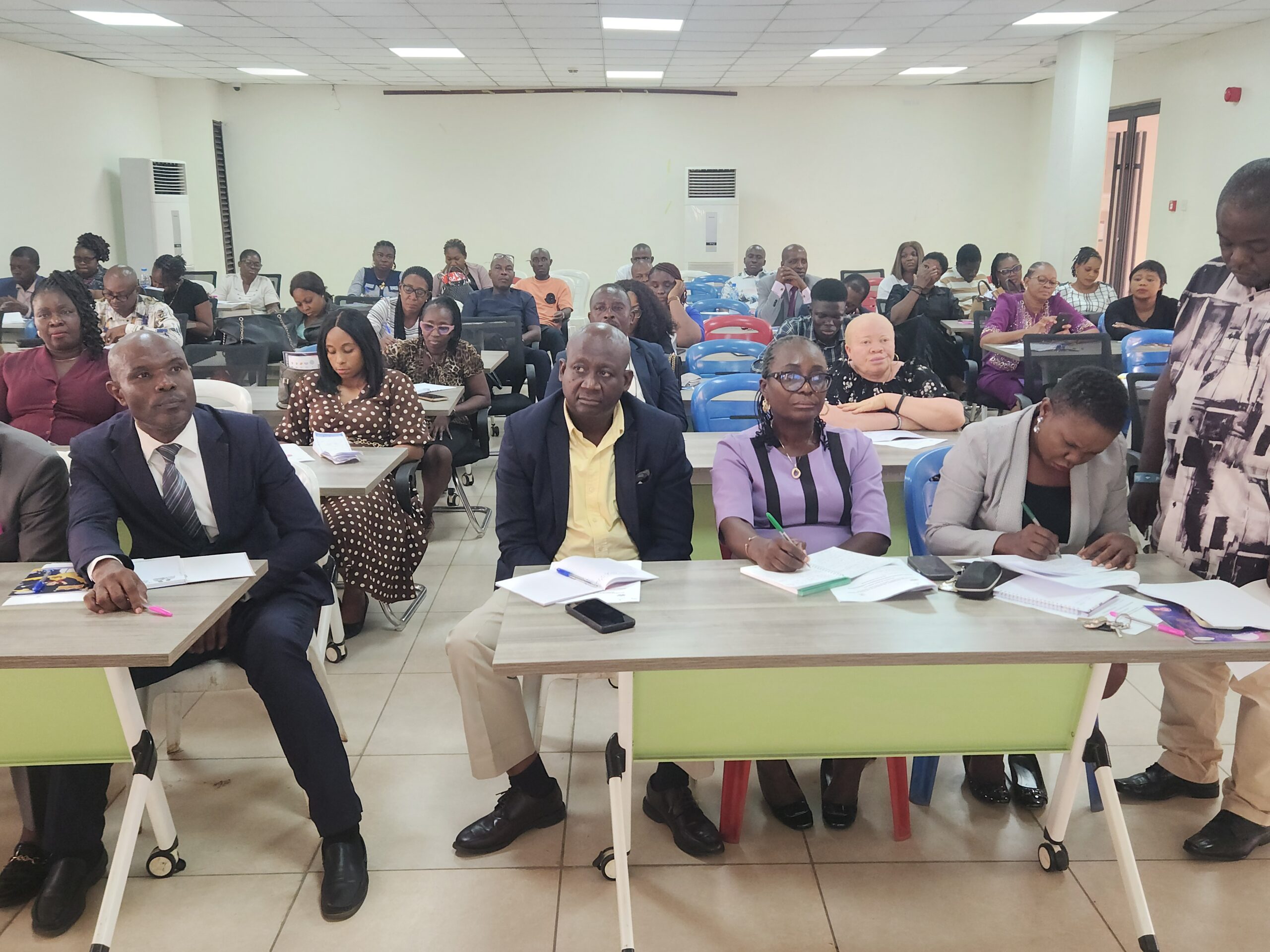
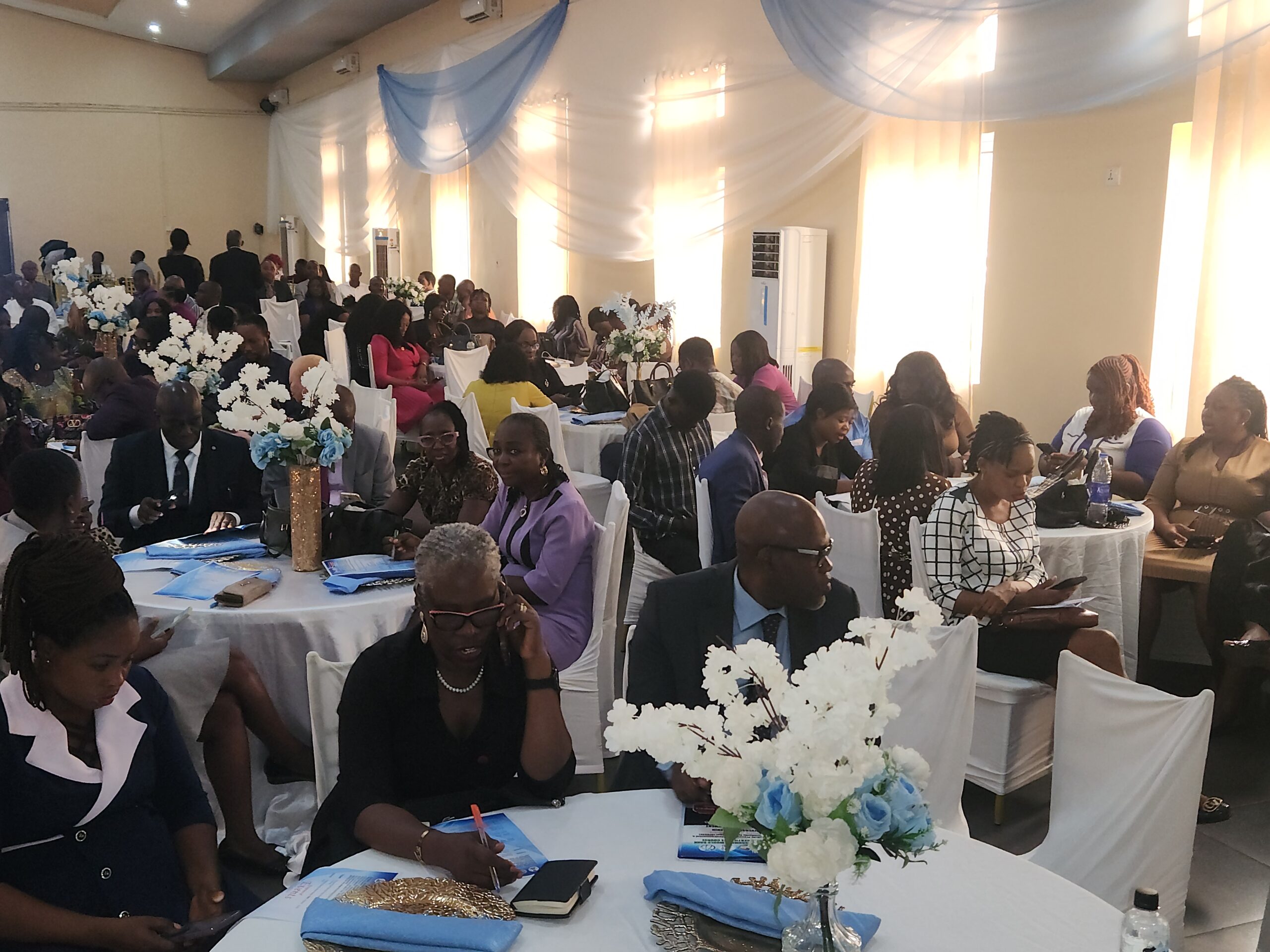
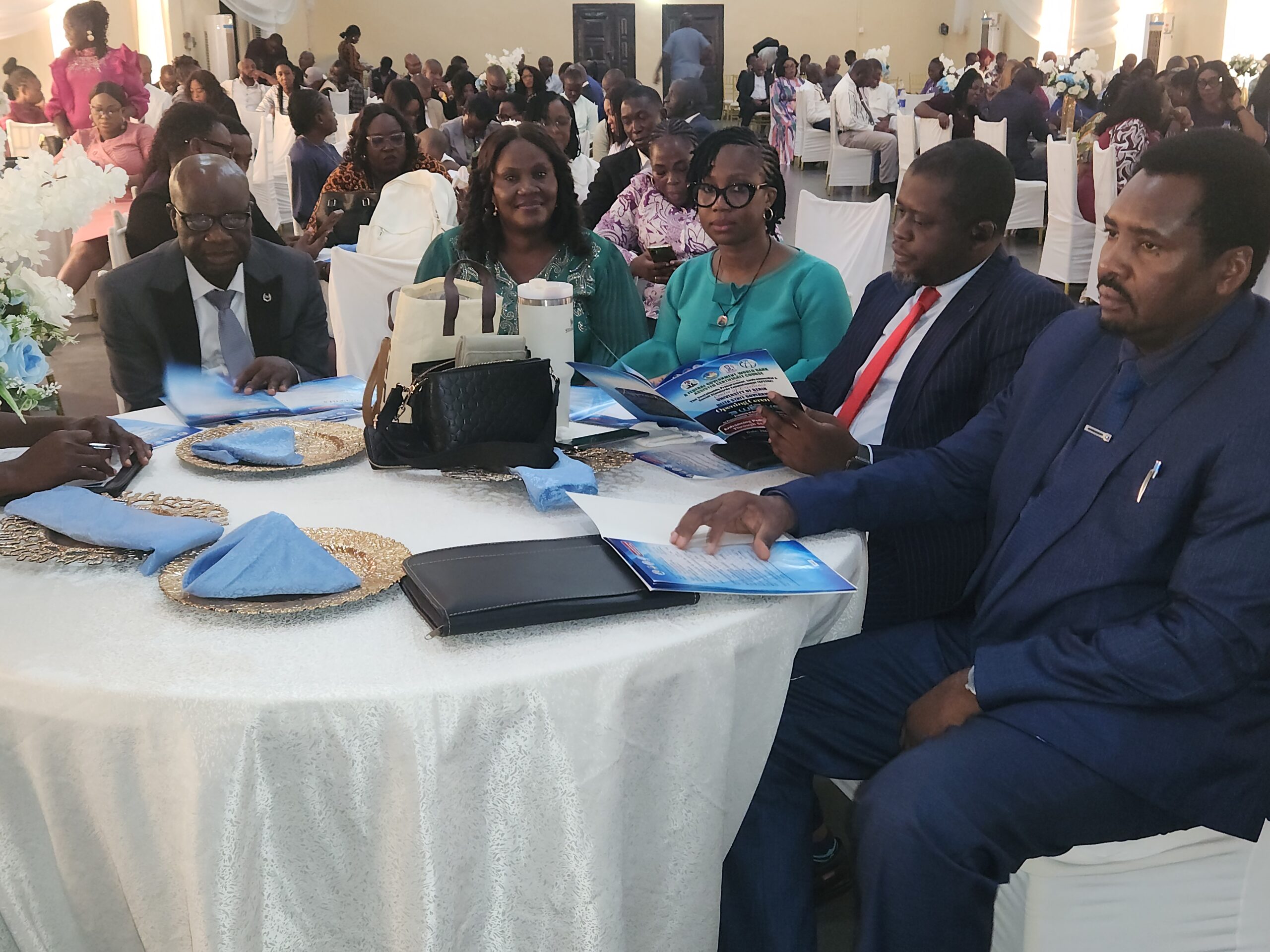
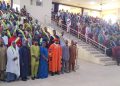
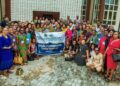
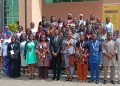
The programme brought together participants from various ministries, departments, and agencies across Delta State. Through a blend of lectures, interactive sessions, and case studies, the training promoted best practices in public administration and sustainable development.
The initiative aligns with SPESSECE UNIBEN’s mandate to foster institutional capacity building and knowledge transfer, contributing to Nigeria’s broader goal of achieving sustainable governance and development.
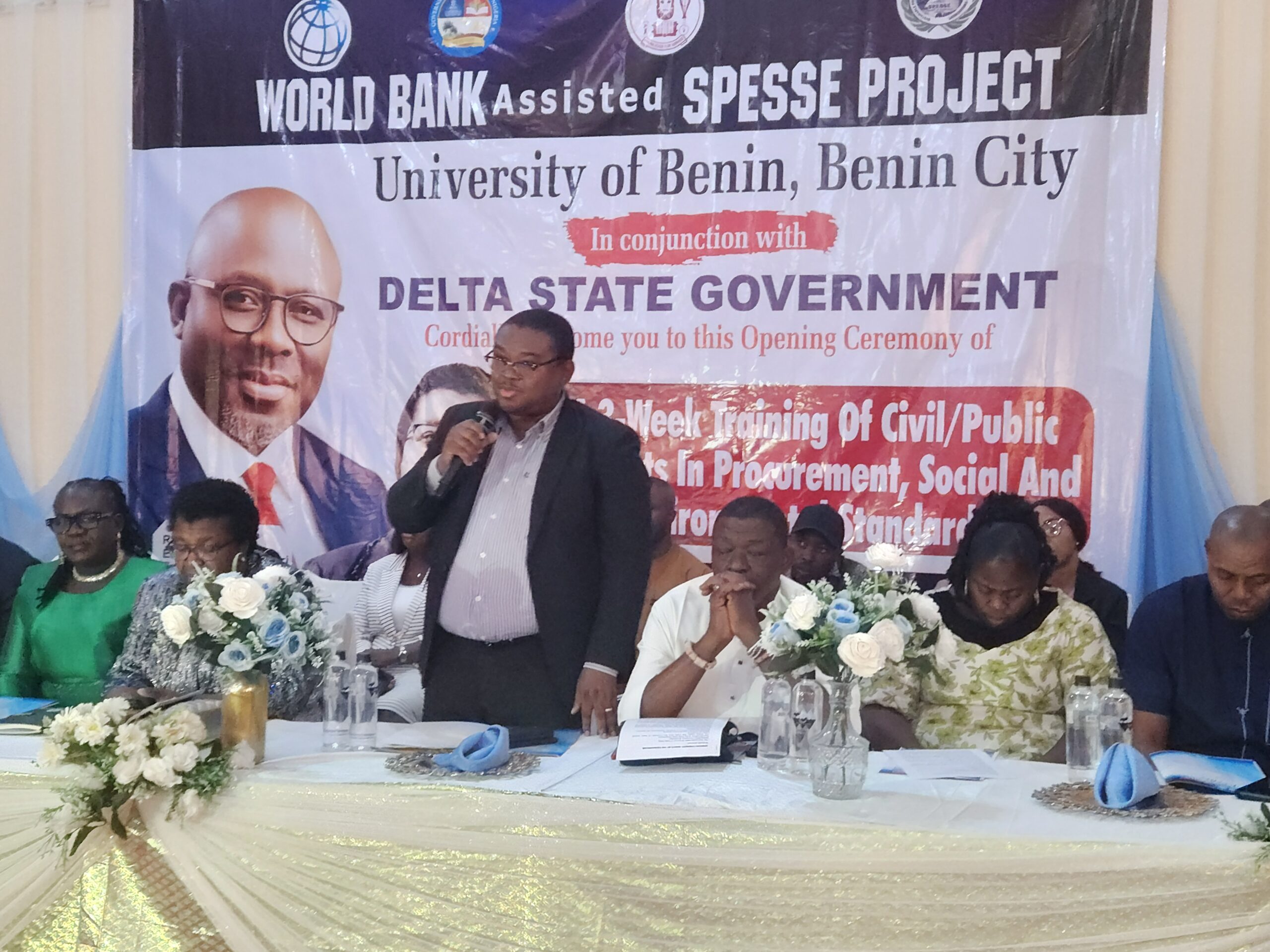

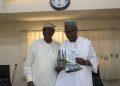
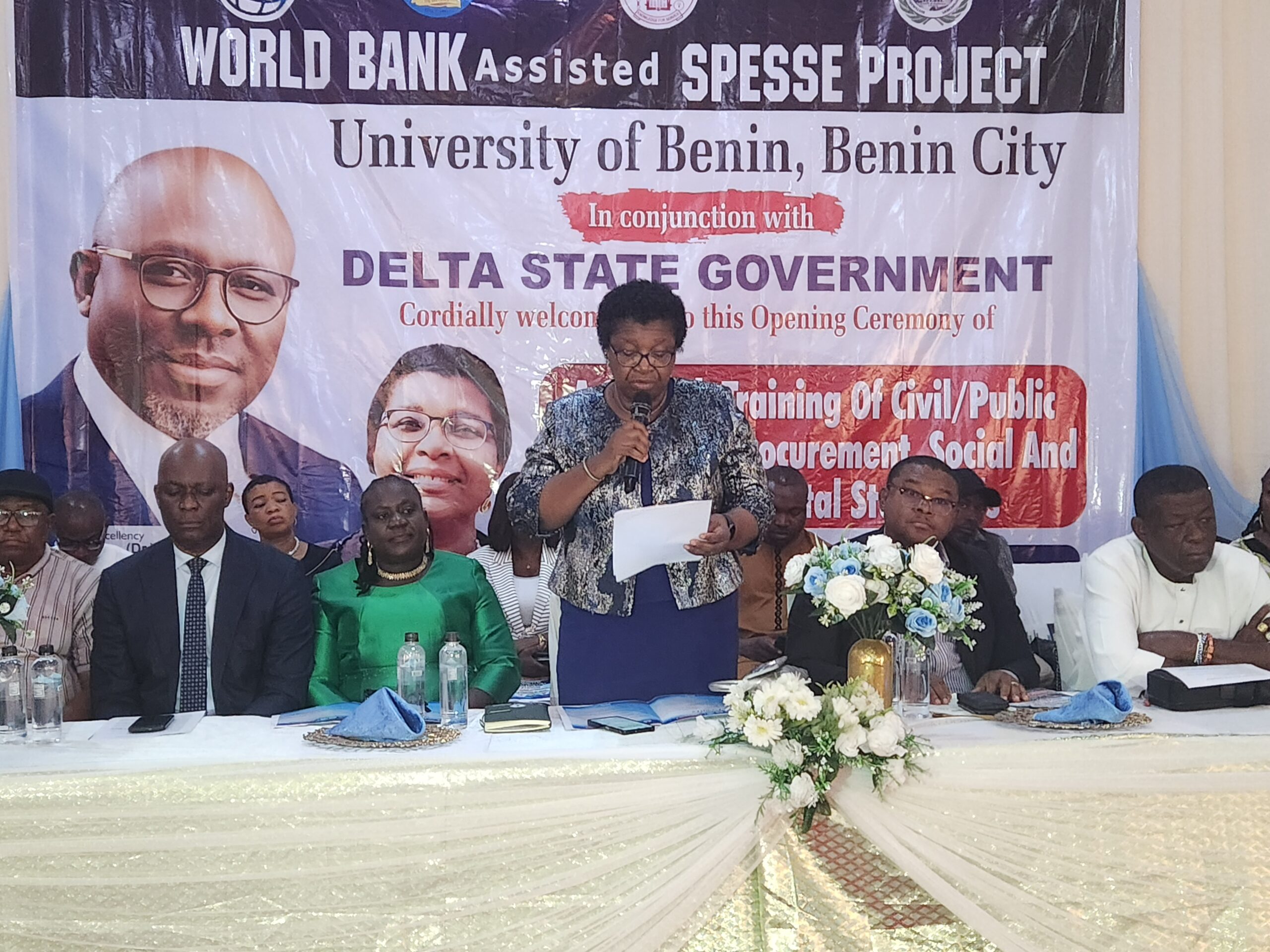
In his remarks at the opening ceremony, the Centre Leader of SPESSECE UNIBEN, Professor Sylvester Osuji, commended the Delta State Government for its commitment to human capital development and strengthening of institutions.
Professor Osuji further emphasised that SPESSECE UNIBEN, as one of the World Bank–supported Centres of Excellence in Nigeria, remains dedicated to advancing sustainable procurement and environmental and social standards across the public sector. He encouraged participants to approach the training with enthusiasm and a commitment to applying the lessons learnt to their respective roles, thereby contributing to the overall development of Delta State.
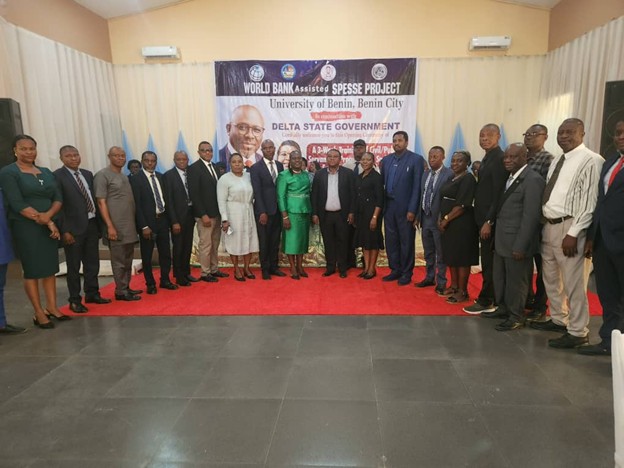
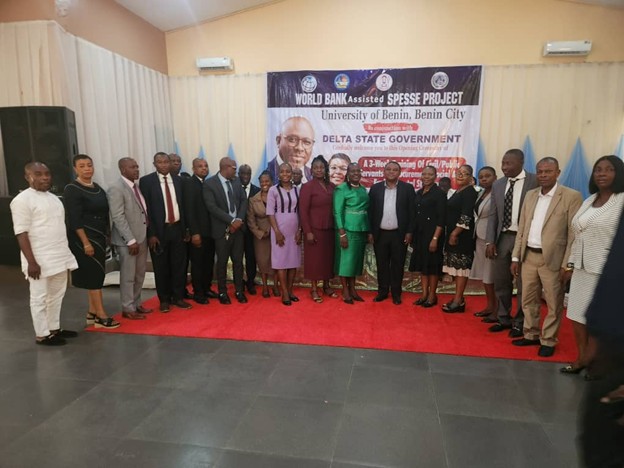
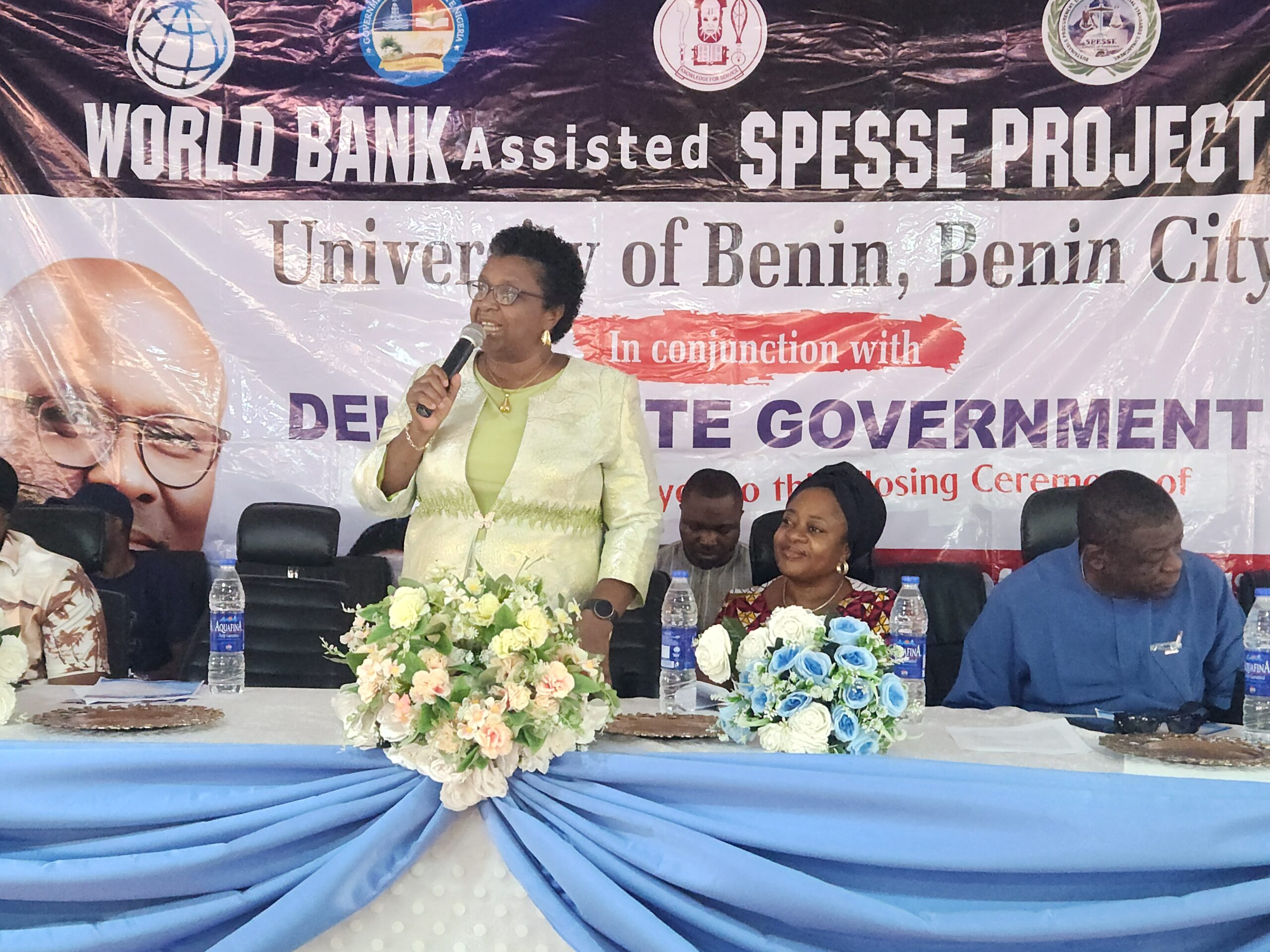
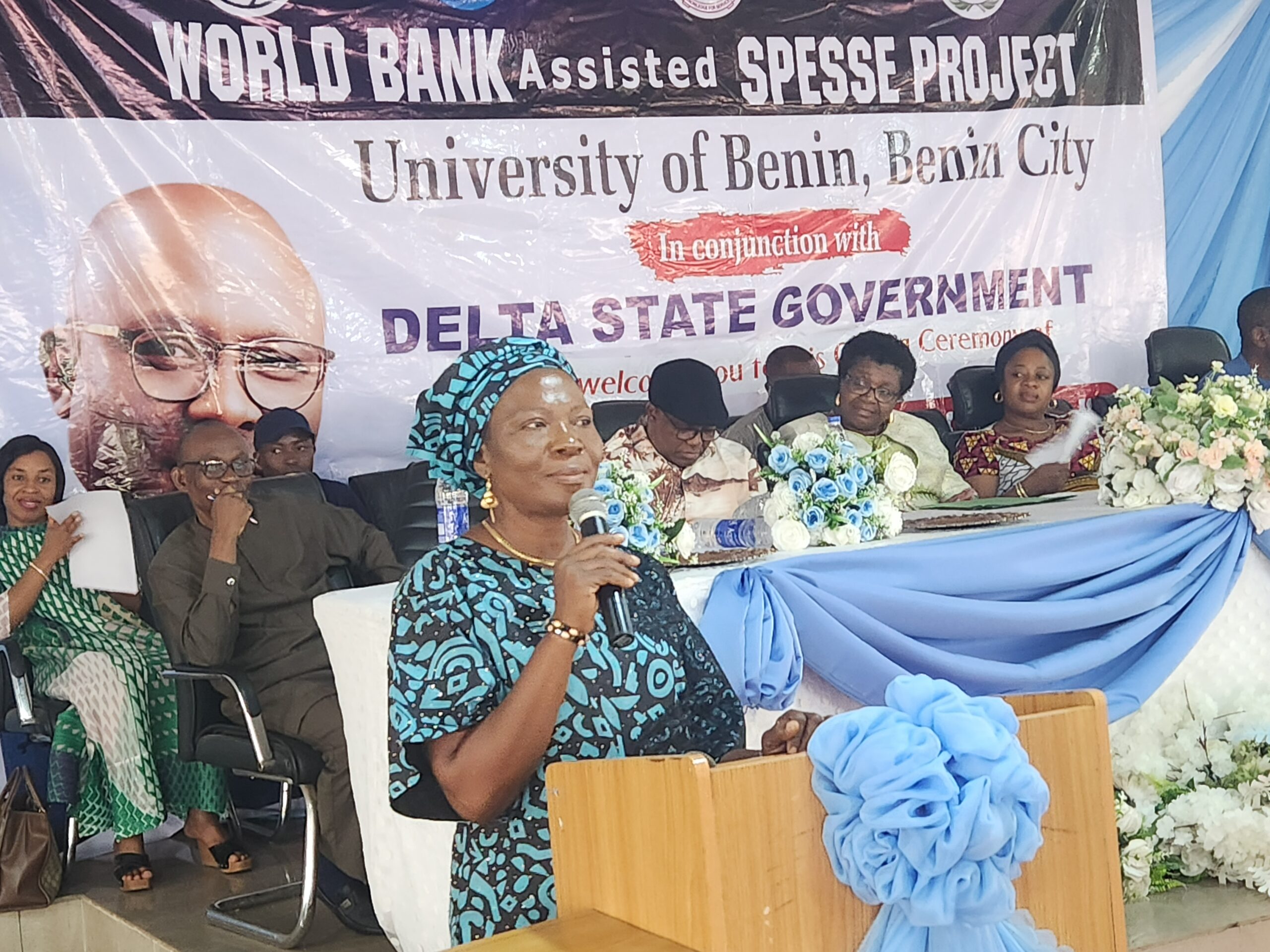
In her address at the opening ceremony, the Head of Service, Delta State, Dr. (Mrs.) Minimim Oseji expressed appreciation to SPESSECE UNIBEN for partnering with the state government to deliver a programme of such strategic importance.
Dr Oseji urged participants to take full advantage of the opportunity, emphasising that the knowledge gained would not only enhance their individual performance but also contribute to the collective progress of the state. She further noted that the training would help bridge knowledge gaps, improve policy implementation, and foster a culture of accountability and innovation within the public service.
The collaboration between SPESSECE UNIBEN and the Delta State Government underscores the importance of continuous learning and professional development in the public sector. It reflects a shared commitment to achieving the Sustainable Development Goals (SDGs) through improved governance, ethical leadership, and institutional reform.
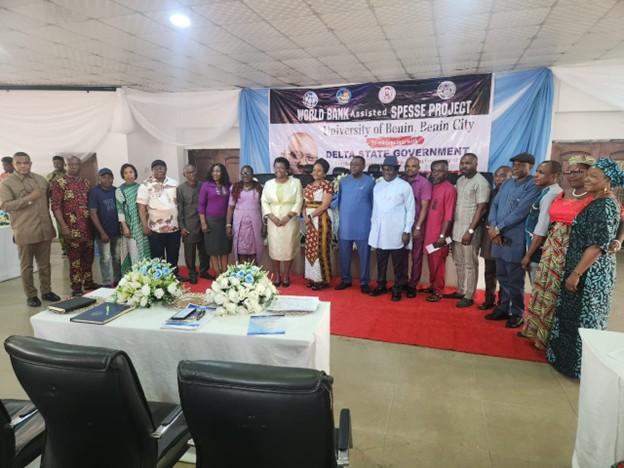
At the conclusion of the three-week programme, participants demonstrated enhanced competence in procurement planning and management, integration of environmental and social standards into policy formulation and project execution, application of sustainable practices that improve governance outcomes and public trust and commitment to serve as ambassadors of reform within their respective ministries and agencies.
Focus Areas of the Training
Procurement Management: Focuses on strategic procurement planning, ethical standards, and compliance with national and international procurement frameworks. Participants are trained to adopt transparent and efficient procurement systems that promote value for money and accountability.
Environmental Standards: Emphasises sustainable practices, environmental impact assessment, and climate resilience. Participants learn how to integrate environmental considerations into public projects and policies to ensure long-term sustainability.
Social Standards: Addresses inclusivity, stakeholder engagement, and social safeguards. It highlights the importance of protecting vulnerable groups, promoting gender equity, and ensuring that public projects deliver equitable benefits to all citizens.