



By Emmanuel Daudu
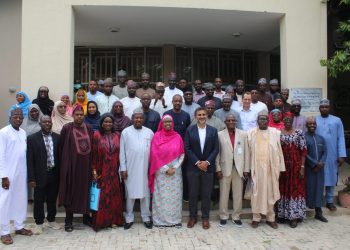
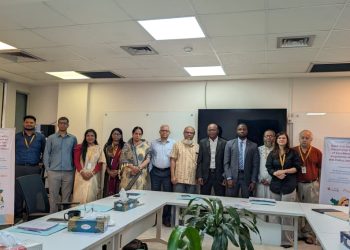
The National Universities Commission (NUC) says Nigeria’s higher education system is on course to become a hub for innovation, research, entrepreneurship, and problem-solving by 2036. Executive Secretary Professor Abdullahi Yusufu Ribadu said this while unveiling the Draft National STEM (Science, Technology, Engineering, and Mathematics) Transformation Strategy for Higher Education in Nigeria (2026–2036) at a Stakeholders’ Meeting to validate the draft strategy, held on Tuesday in Abuja.

Prof Ribadu, who was represented at the event by the Director, Research, Innovation and ICT of the NUC, said universities must produce graduates with practical skills, creativity, and entrepreneurial capacity to meet the demands of emerging technologies such as artificial intelligence, robotics, biotechnology, renewable energy, and data science.
He explained that the strategy, developed by a committee inaugurated on 25 February 2026 with support from the Agence Française de Développement’s (AFD) Blueprint ICT-Dev Project, provides a 10-year roadmap covering curriculum modernisation, digital infrastructure, and faculty development, as well as research, innovation, and industry collaboration. He said the plan also addresses research commercialisation, quality assurance, and sustainable financing, and aligns with the Federal Government’s Renewed Hope Agenda, the National Development Plan, and the African Union’s Agenda 2063.

Ribadu urged stakeholders to make constructive contributions during the validation exercise, reaffirming the Commission’s commitment to implementing the strategy. He expressed confidence that it would reposition Nigeria’s higher education institutions as globally competitive centres of excellence for innovation, research, university-industry collaboration, and sustainable national development.
Earlier, Professor Oluwatoyin T. Ogundipe, Chairman of the NUC Governing Board and of the STEM Transformation Strategy Committee, said the project is designed to build a resilient, inclusive, and digitally enabled higher education system that empowers young people, drives scientific discovery, stimulates industrial innovation, and secures Nigeria’s place among the world’s leading knowledge economies.
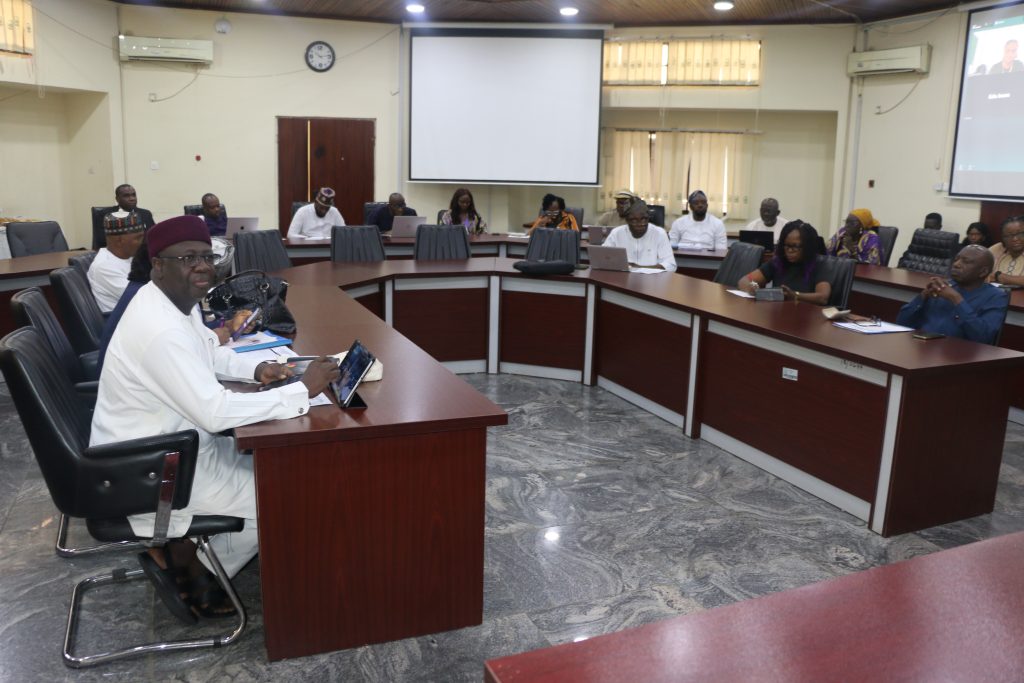
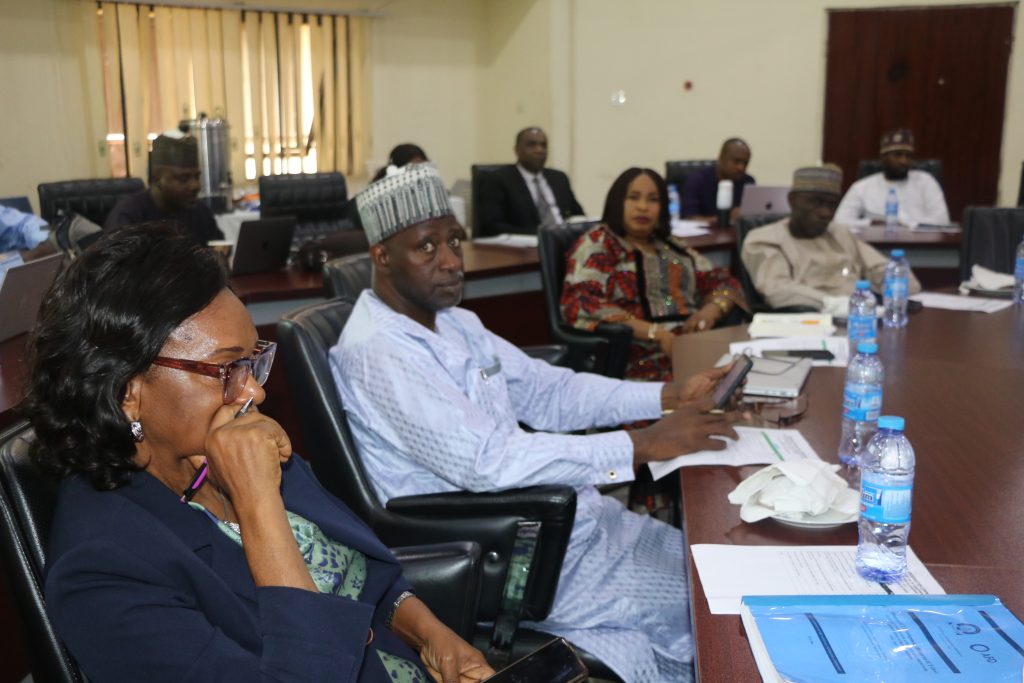
In his opening remarks, the NUC’s Director of Special Projects, Dr Joshua Atah, urged participants to provide additional input on the draft document previously circulated to further strengthen the strategy before its final adoption.
Also speaking, Plangnan Dashen, representative of the AFD, commended the NUC for bringing stakeholders together to enhance the digital infrastructure of Nigerian universities. He described the Draft National STEM Transformation Strategy (2026–2036) as a timely initiative that would reposition Nigeria’s higher education sector for global competitiveness.







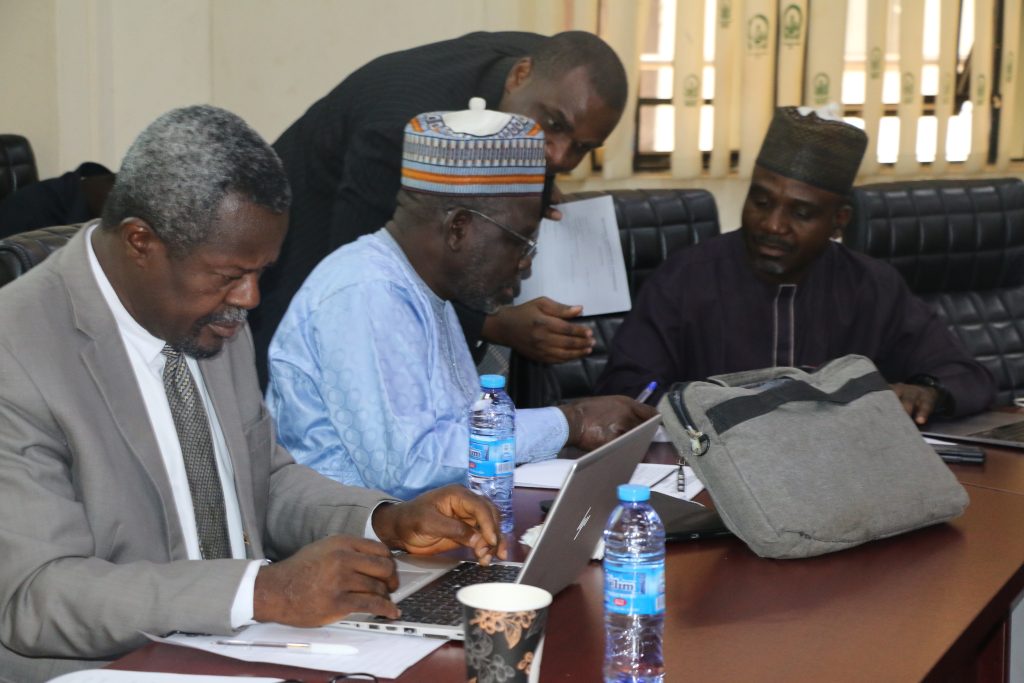




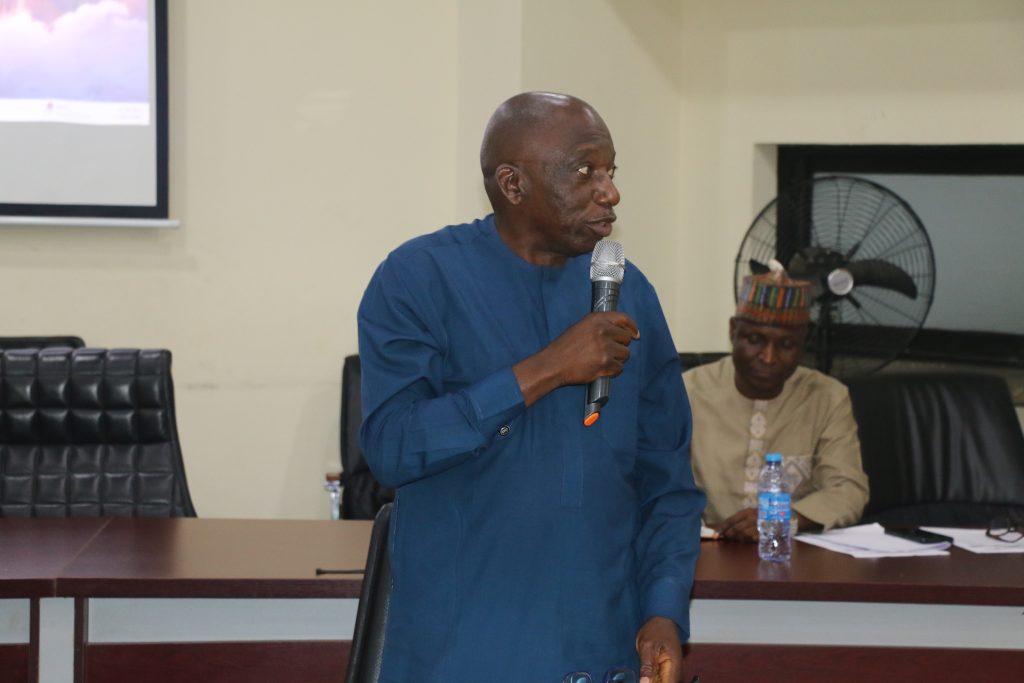


The interactive session had stakeholders review the draft strategy as they provided feedback and recommendations to improve it.