


By Uche Michael Aondohemba
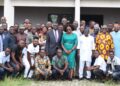
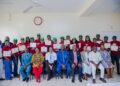
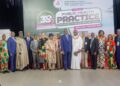
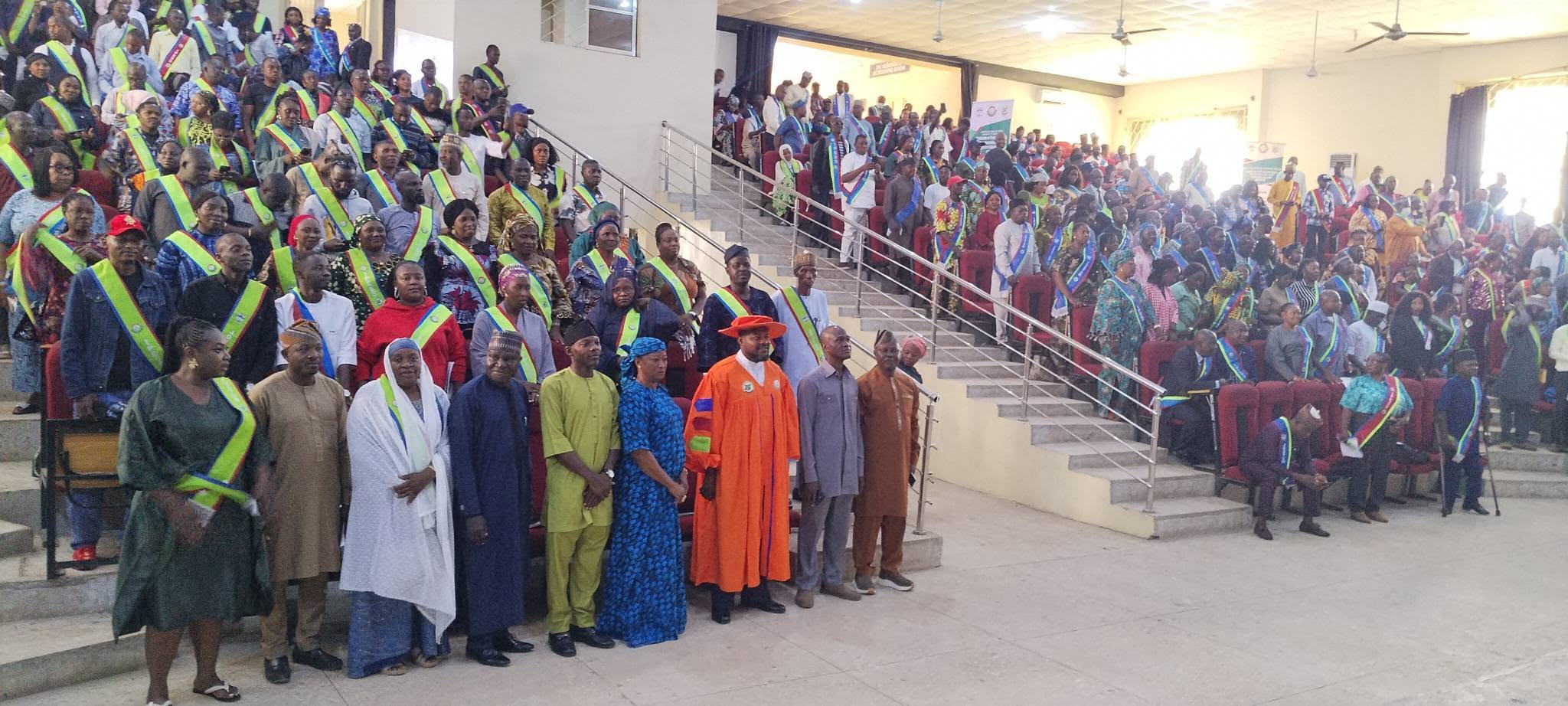
Public officers from ministries, departments and agencies across Nigeria’s North-Central region have received certificates after a two-week training programme organised by the Institute of Procurement, Environmental and Social Standards (IPESS) at Joseph Sarwuan Tarka University, Makurdi (JOSTUM).
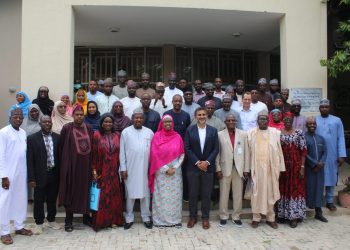
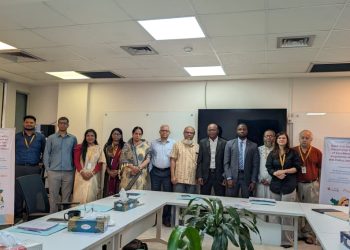
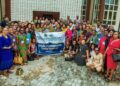
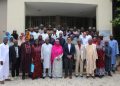
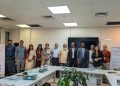
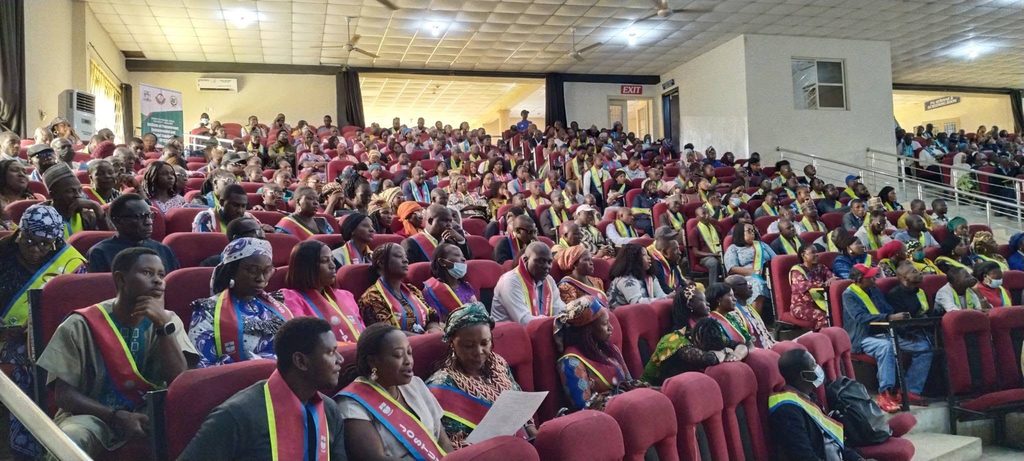
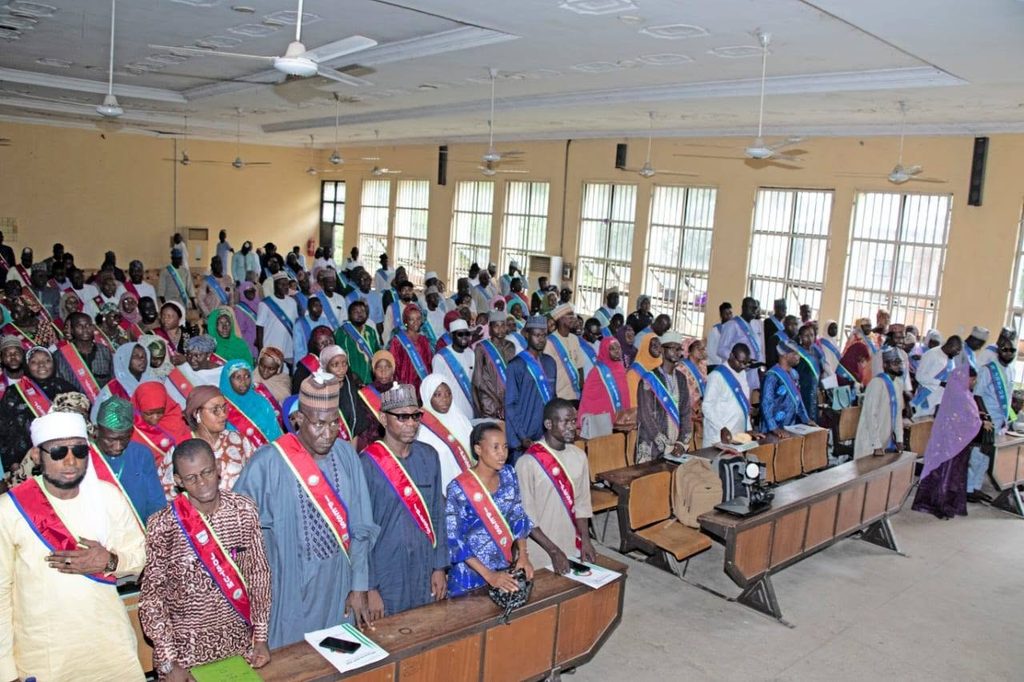
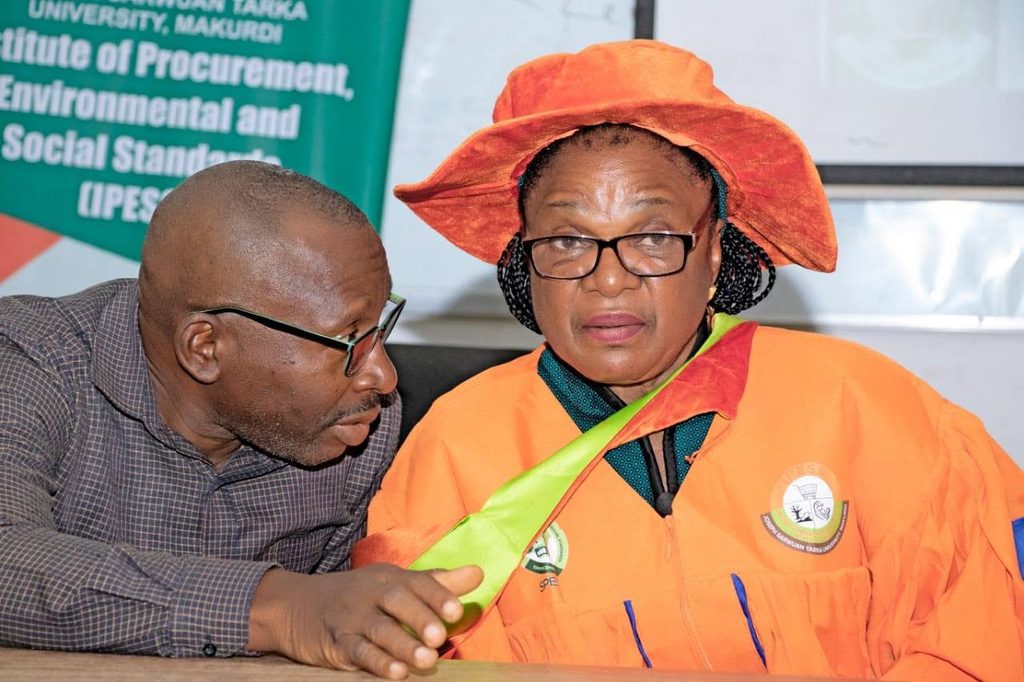
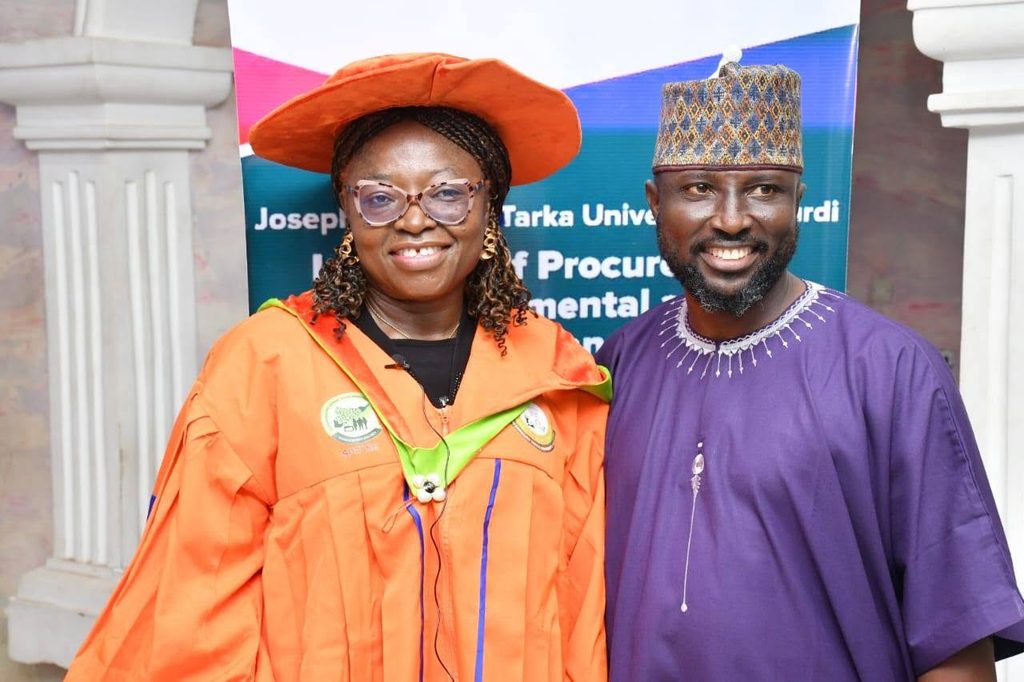
The Short Course (Track A), held under the World Bank-funded Sustainable Procurement, Environmental and Social Standards Enhancement (SPESSE) project, took place simultaneously in Minna, Niger State; Jos, Plateau State; and Ilorin, Kwara State, on Friday, September 11. The programme produced 385, 595 and 350 graduands respectively — a total of 1,330 participants.
Delivering the opening address on behalf of JOSTUM’s Vice-Chancellor, Engr. Prof. Isaac N. Itodo, the Centre Leader and Director, Prof. Lami A. Nnamonu — represented by Deputy Director Dr Christopher Eche — congratulated the graduands. She described procurement practices, environmental accountability and social standards as inherently linked, adding that the SPESSE project aims to correct persistent lapses in public service delivery.
Prof. Nnamonu said the programme deliberately targeted civil servants because the public service remains central to Nigeria’s developmental transformation. She thanked Plateau State’s Head of Civil Service, Stephen Pam Gadong, for his support, and commended facilitators for skilfully managing the challenges of teaching experienced professionals. She urged the graduands to apply the principles and techniques learned to their daily public service duties, serve as change agents within their respective agencies, and advocate for wider participation in the Institute’s programmes while pursuing collaborative opportunities at the state and global levels.
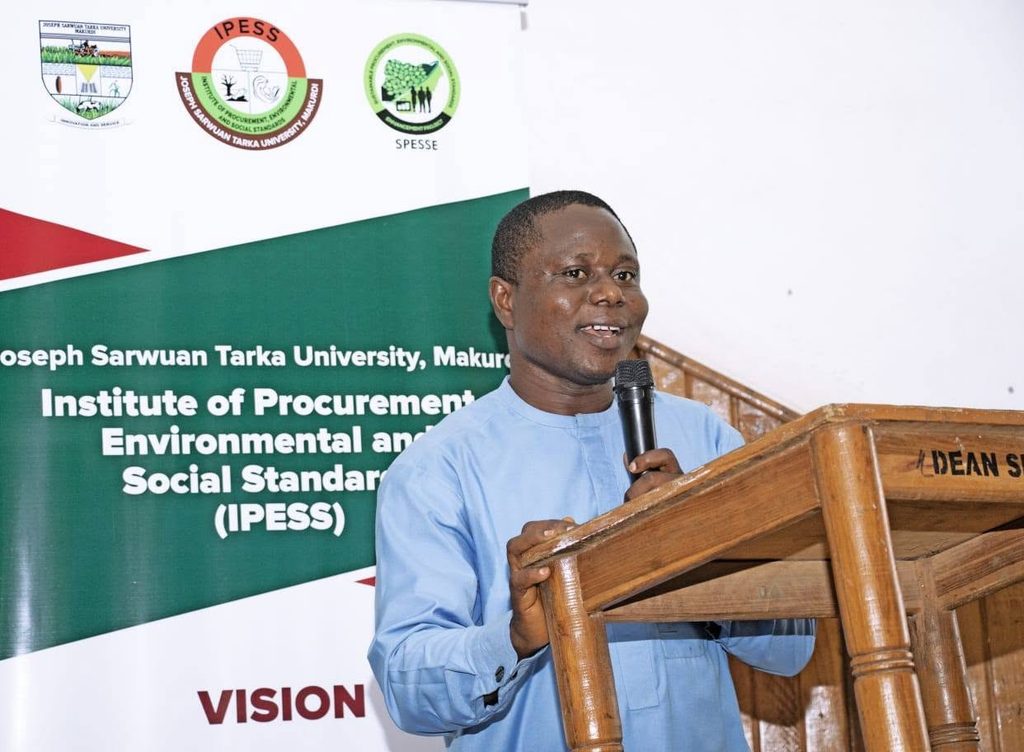
In a goodwill message delivered on his behalf by the Permanent Secretary for Establishments and Pensions, Mrs Jummai Shekerau, Mr Gadong congratulated the graduands and thanked IPESS for organising the “highly impactful” programme. He said properly equipped public servants make for stronger institutions and better governance. The true measure of a training, he added, lies not in the certificate received but in the difference trainees make with the knowledge gained, urging them not to let what they had learned remain “within the walls of the classroom” but to reflect it in their desks, decisions and projects.
“May the knowledge acquired during this short course training translate into better service delivery, greater accountability, sustainable development, and a more efficient public service,” he said.
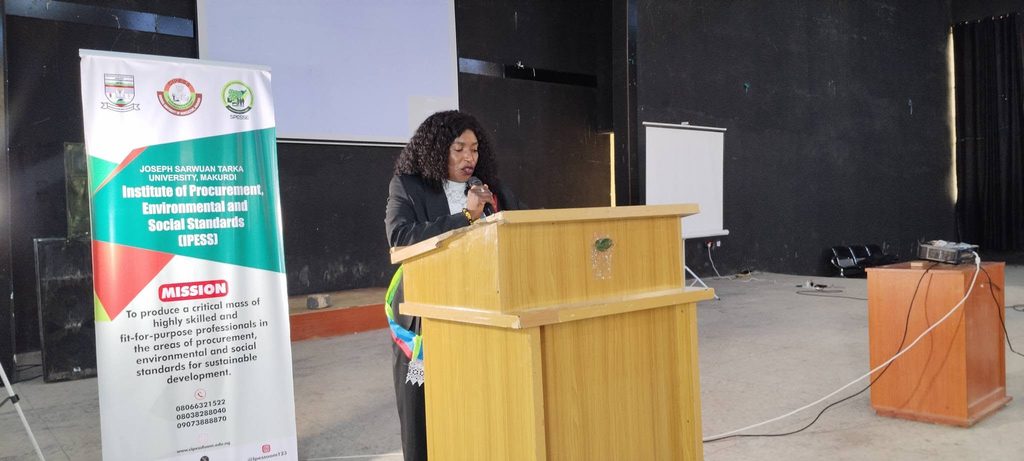
Speaking on “Drivers of Change” at the Jos event, Assistant Monitoring and Evaluation Officer Dr Patricia Kuma Tabe urged the graduands to apply their newly acquired knowledge and skills with courage to effect positive change. She called on them to uphold integrity, professionalism and patriotism, noting that agents of change carry primary responsibility for improving public welfare and reducing corruption and the mismanagement of public resources. Positive change, she said, is achievable through individuals who are courageous and hold a strong belief in human dignity and prosperity.
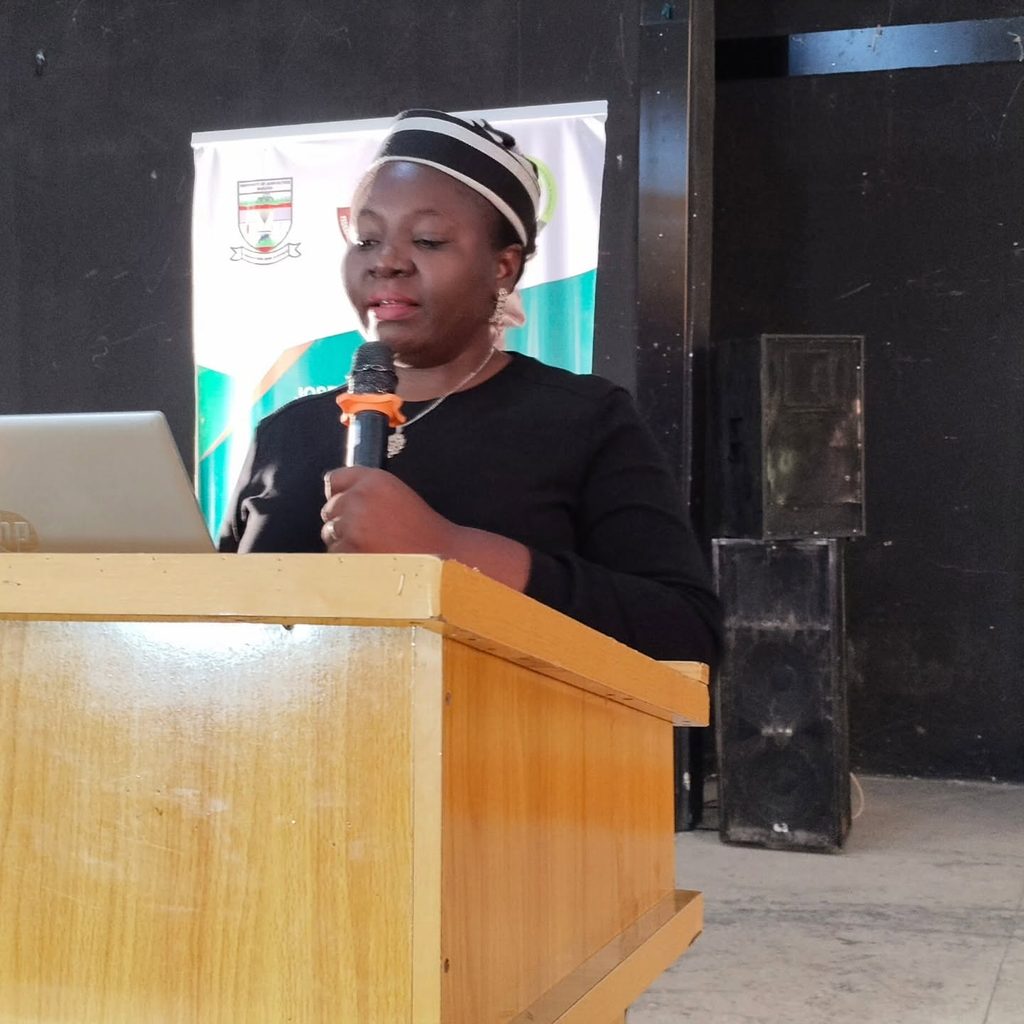
In their valedictory speeches, cohort representatives Ini Grace, Dasat Ferdinand and Ketura Kelvin — representing the Procurement, Environmental, and Social Standards tracks respectively — said the training had equipped them with the skills and knowledge needed to bring about meaningful change in their workplaces. They noted that receiving the certificates was not an end in itself, but a reminder of the responsibility that comes with increased knowledge and professional competence.
Ms Grace thanked the facilitators and support staff for their dedication to the programme’s success and urged her fellow graduands to apply their knowledge responsibly for the benefit of their organisations and communities. The cohort representatives also thanked the Federal Government of Nigeria for the initiative and commended IPESS-JOSTUM for the seamless coordination of the course, calling for the sustainability of the SPESSE project.
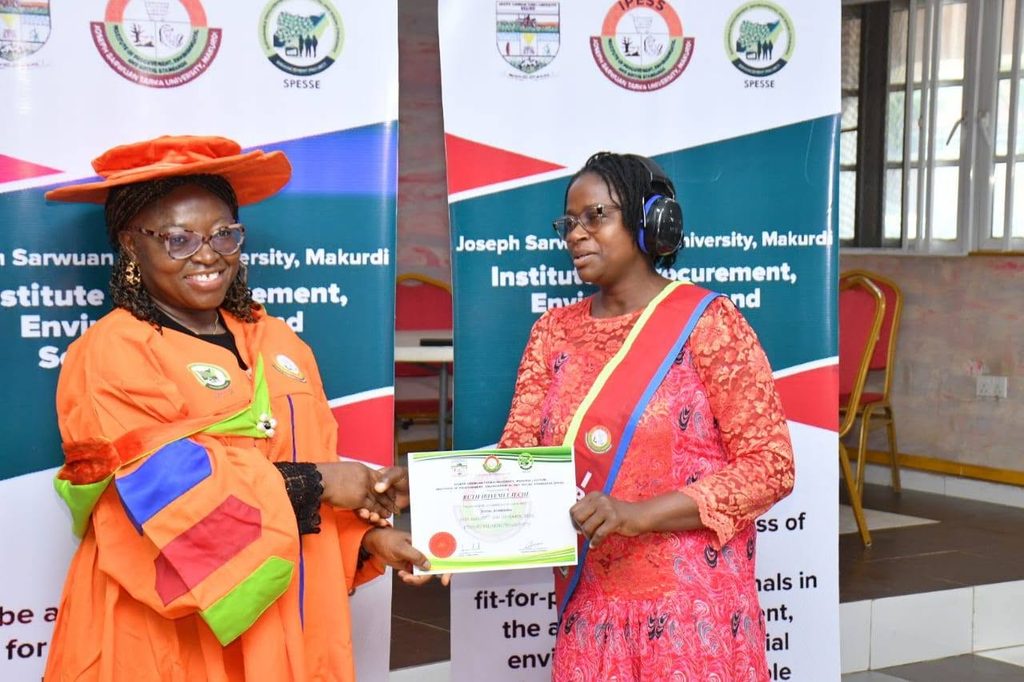
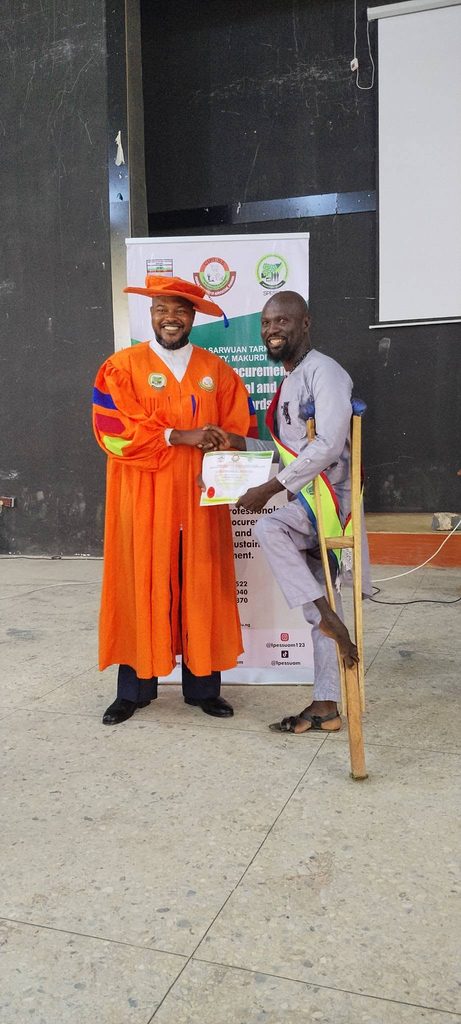
In a vote of thanks, Plateau State Training Coordinator, Engr. Dr Peter Kamtu, praised IPESS-JOSTUM’s dedication to the continued delivery of its programmes in the state and thanked the University of Jos for providing an environment that enabled the programme to thrive. He congratulated the participants and urged them to remain focused on implementing their acquired skills for the benefit of humanity.