


By Hannah Musa & Treasure Attah
The World Bank has described the performance of the National Universities Commission (NUC) in coordinating the Sustainable Procurement, Environmental and Social Standards Enhancement (SPESSE) Project as ‘highly satisfactory’.
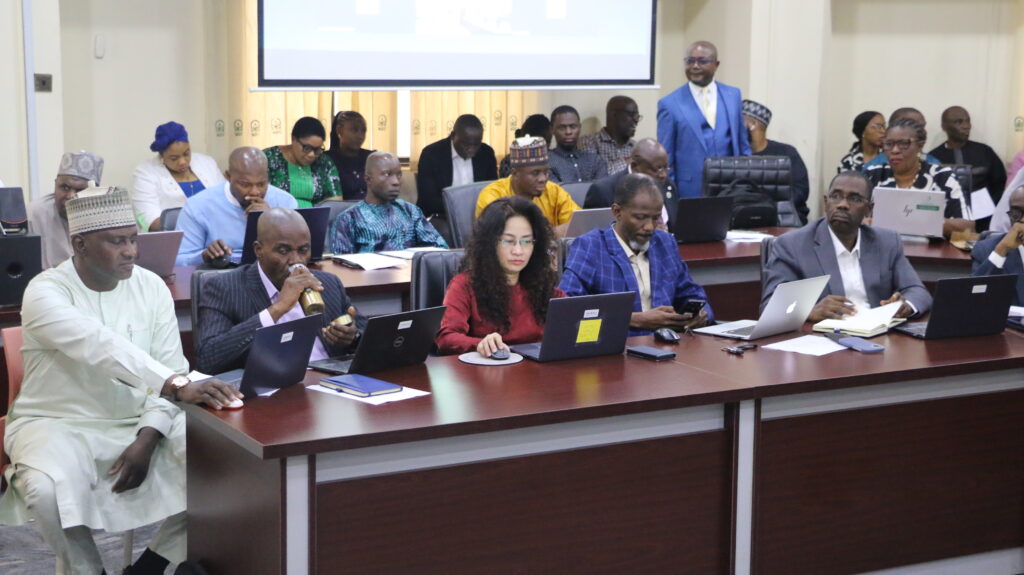
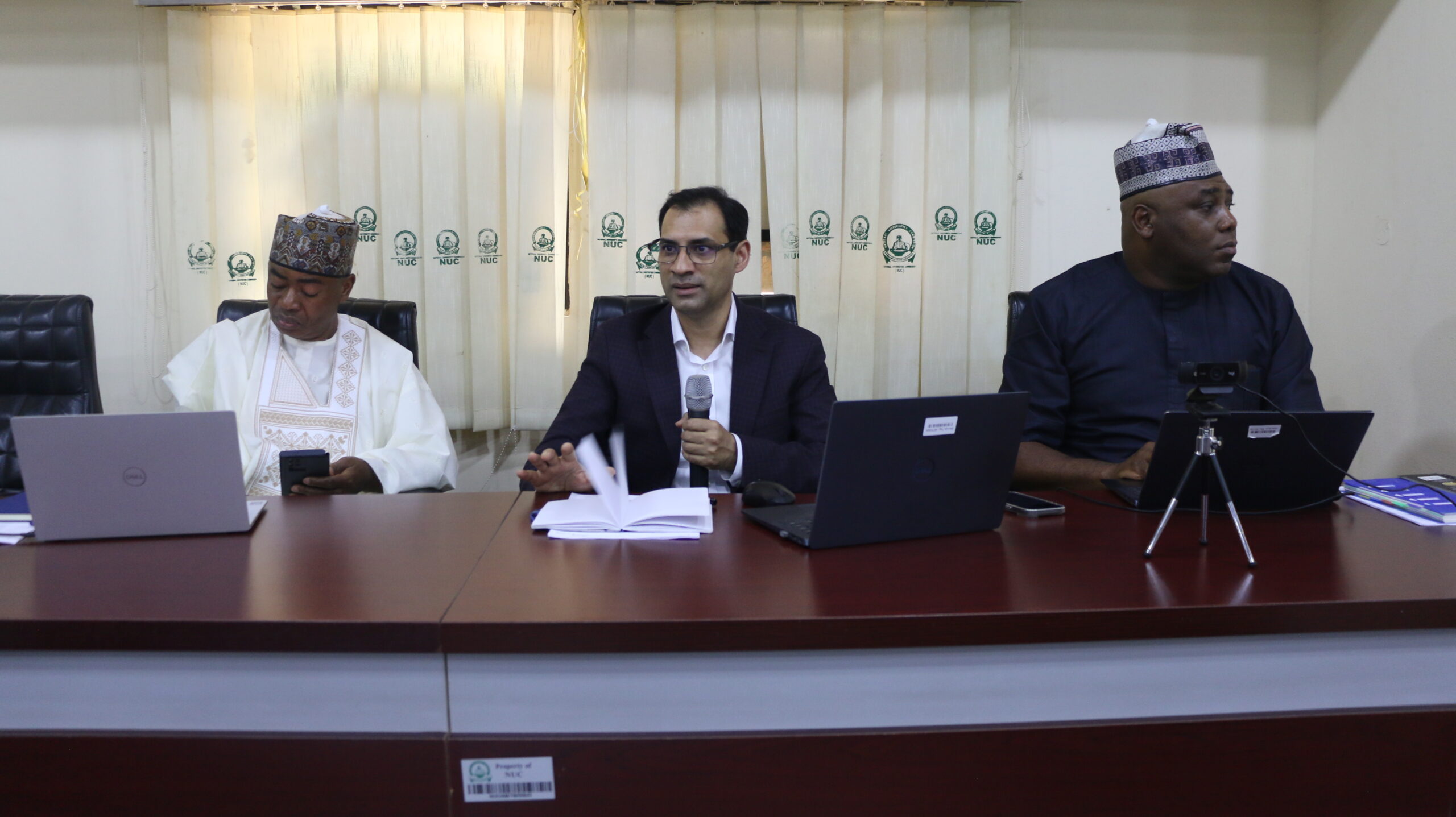
The bank’s Task Team Lead (TTL) for the project, Ishtiak Siddique, in his opening remarks on Monday at the five-day SPESSE Implementation Support Mission 2026, commended the Director, Special Projects of the NUC, Dr Joshua Atah, for satisfactory coordination of the project. He described the success of the SPESSE project as unequalled by that of many other projects funded by the bank.
Discussing the achievements, lessons learned, and prospects as the project transitions from the Original Financing phase to Additional Financing, he highlighted the remarkable progress recorded since inception, including the training of thousands of professionals in procurement and in environmental and social standards through the SPESSE Centres of Excellence.
Siddique also underscored the importance of maintaining high standards in project reporting and data management. During the review of presentations and progress reports, he called for the verification and updating of project statistics, beneficiary records, satisfaction indicators, partnerships, internship outcomes, certifications, and other performance metrics to ensure that reports accurately reflect current realities and project achievements.
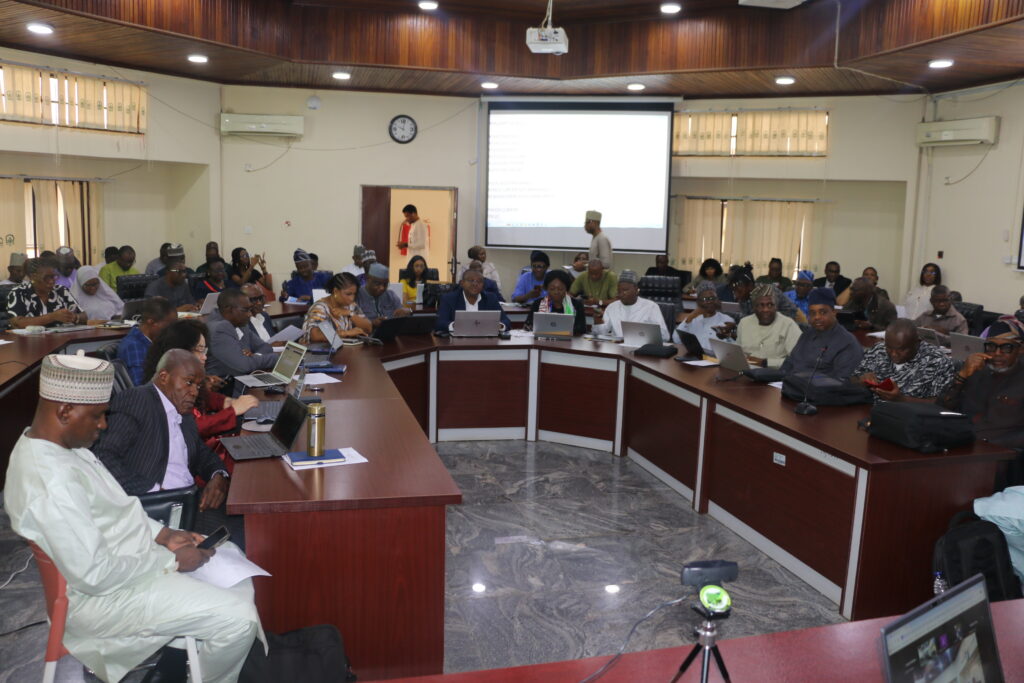
The programme brought together Leaders and officers from the six SPESSE Centres, Implementation Agencies, the NUC, and the World Bank team to assess achievements recorded under the project and outline priorities for the next phase of implementation.
In his welcome remarks, the National Project Coordinator of SPESSE and Director of Special Projects at the NUC, Dr Joshua Atah, conveyed goodwill messages from the Executive Secretary of the Commission, Prof Abubakar Adamu Rasheed, who congratulated stakeholders on the significant milestones achieved under the first phase of the project. He noted that Phase I (Original Financing) of the SPESSE Project would conclude on June 30, 2026, while implementation of Phase II (Additional Financing) is expected to commence in July 2026.
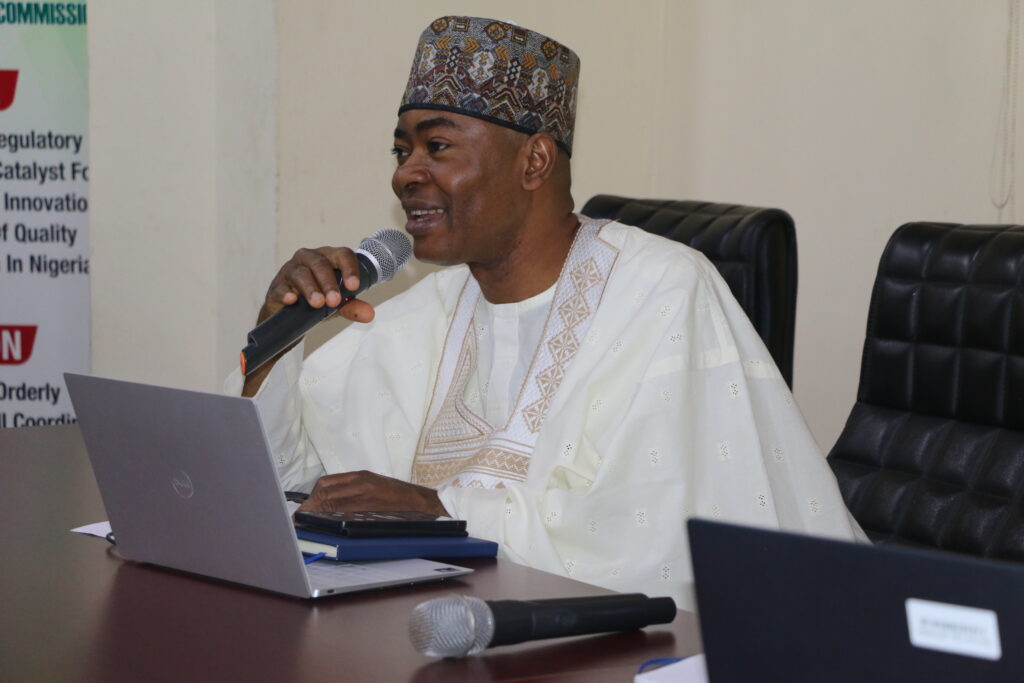
Atah commended participating institutions and stakeholders for their commitment to the project, describing SPESSE as a transformative intervention that has strengthened national capacity in procurement, environmental standards, and social safeguards. He further emphasised the need to consolidate existing gains and position the project as a model for future capacity-building initiatives across the country.
A major focus of the opening day was project communication and visibility. Participants reviewed the “My SPESSE Story” communication campaign, an initiative designed to capture and showcase the experiences, achievements, and impact of the project on beneficiaries, institutions, and communities. Stakeholders were encouraged to actively share project success stories and leverage digital platforms to increase public awareness of SPESSE’s contributions to national development using the hashtag #MySPESSEStory.
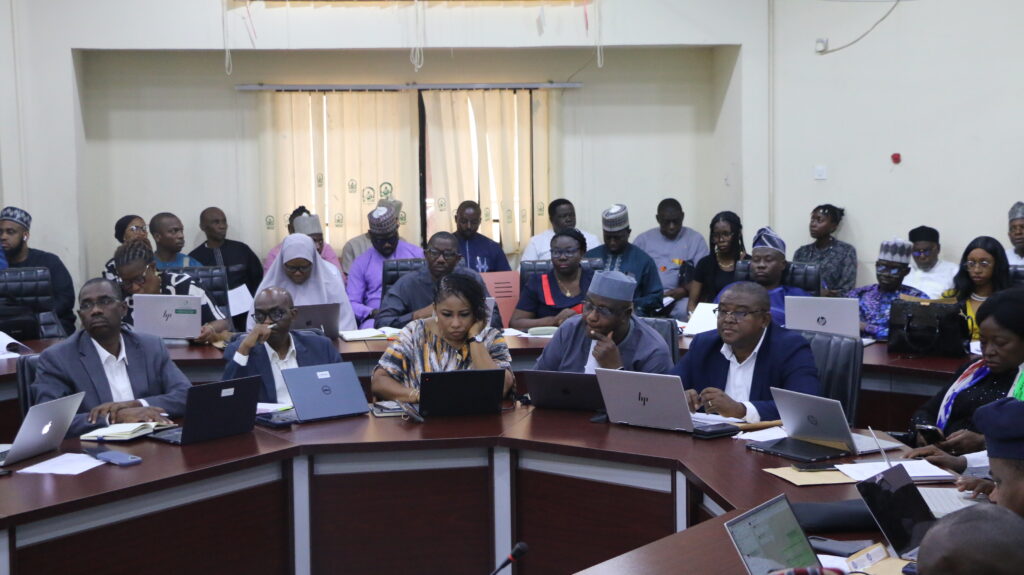
Stakeholders observed that despite the significant achievements recorded under the project, many of its successes remain insufficiently visible to the wider public. Consequently, participating centres were encouraged to strengthen communication efforts, document project outcomes more effectively, and ensure timely dissemination of success stories, research outputs, partnerships, and beneficiary experiences.
The meeting also highlighted the project’s contribution to human capital development, with several centres reporting that they had exceeded their training targets. Participants emphasised the need to translate these achievements into broader economic outcomes through job creation, professional advancement, and increased opportunities for graduates and certified professionals trained under the project.