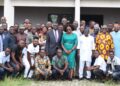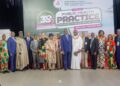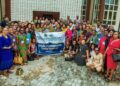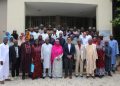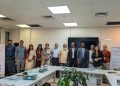



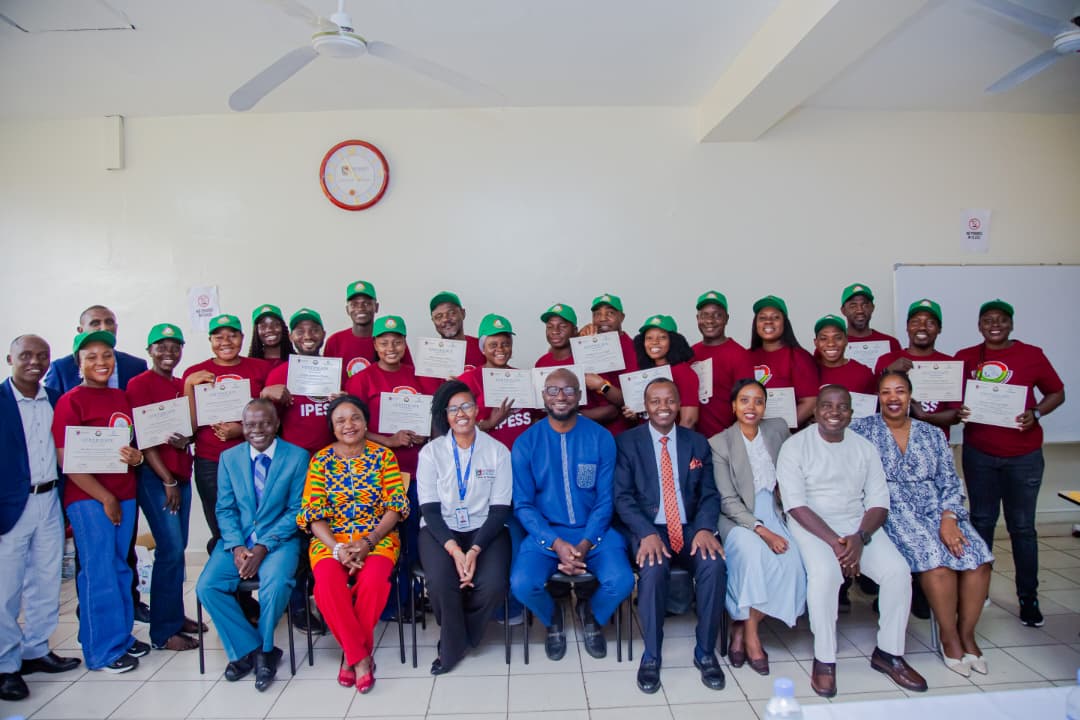
Eighteen exceptional postgraduate students of the departments of Procurement Management, Environmental Sustainability, and Sustainable Social Development at the Institute of Procurement, Environmental, and Social Standards (IPESS), Joseph Sarwuan Tarka University Makurdi (JOSTUM) have described their experiences on their return from the international student exchange programme to Kigali, Rwanda as life changing and that which has given them a broader and improved perspective of leadership.
For Pleroma Ugwu, David Serah, Ungwa Aondover, Kuburat Bakare, Atser Torkuma and many others, it was both a challenge and an opportunity – to not just learn, but to return as visionaries ready to contribute to Africa’s progress.
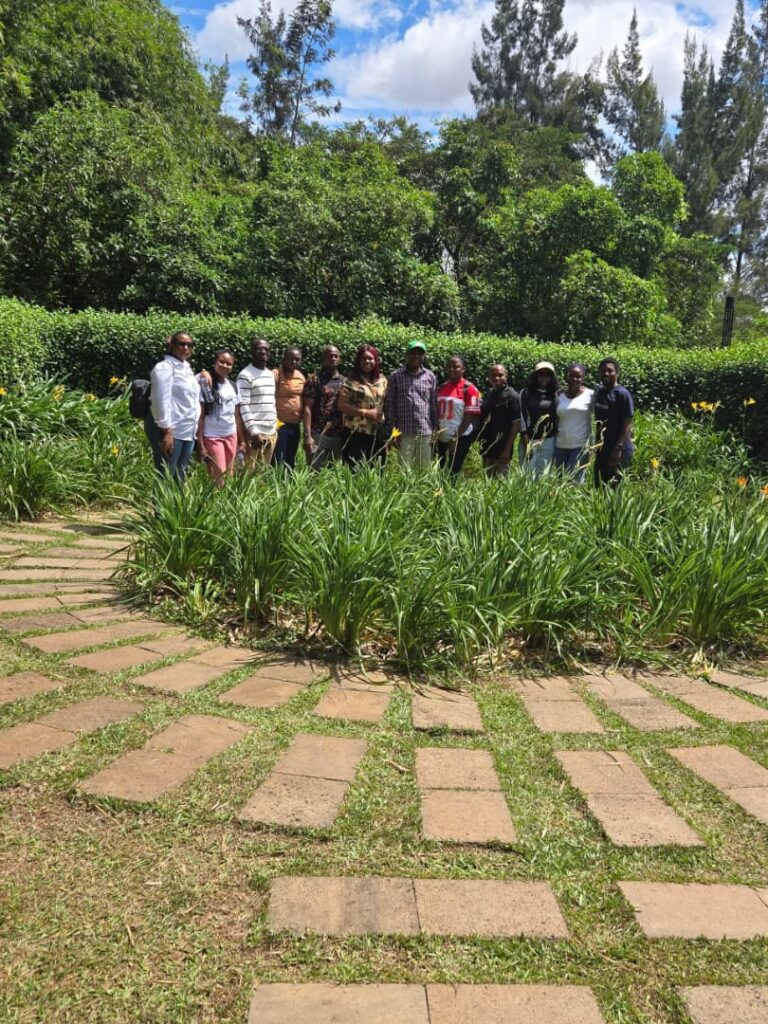
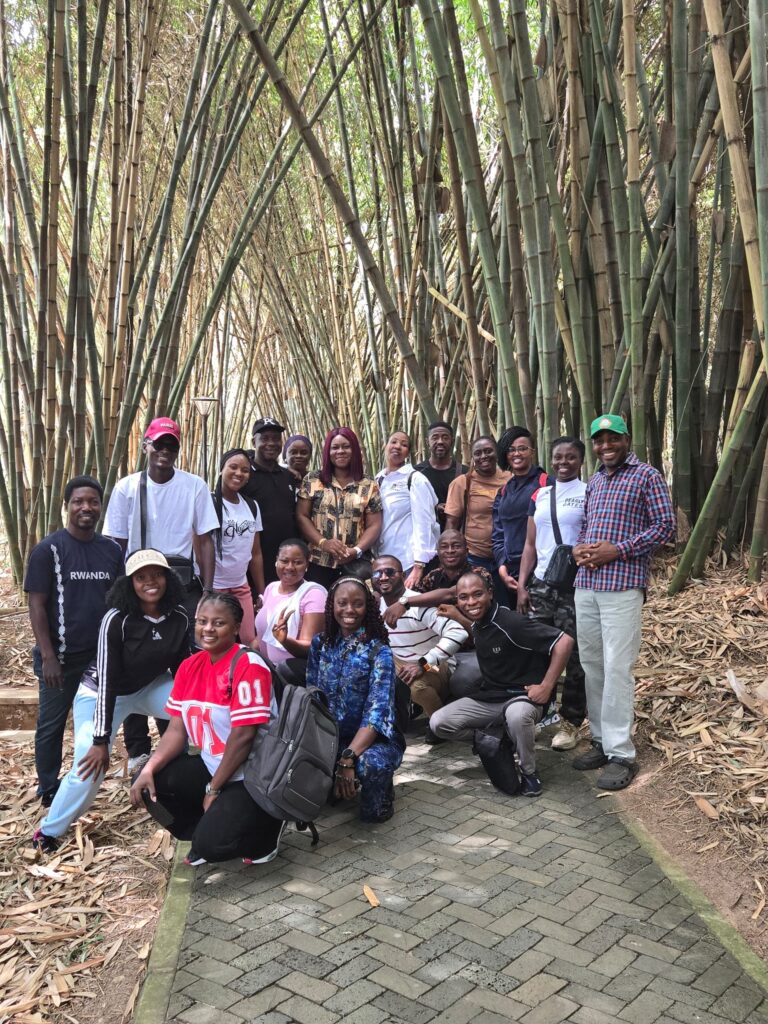
This remarkable journey began with the signing of a Memorandum of Understanding between JOSTUM and the University of Kigali, laying the foundation for a partnership that has evolved into a vibrant platform for academic collaboration, student mobility, and institutional exchange.
The groundbreaking student exchange programme, conducted in partnership with the University of Kigali, was to expose participants to new cultures, innovative academic approaches, and alternative models of community development. Through classroom learning, industry engagements, field visits, and interactions with practitioners and policymakers, participants gained valuable insights into Rwanda’s achievements in sustainable public procurement, climate resilience, environmental conservation, ethical sourcing, and inclusive development.
In contrast to more conventional exchange programmes, the IPESS JOSTUM approach teaches students how social development, environmental stewardship, and procurement all work together to promote inclusive and sustainable progress.
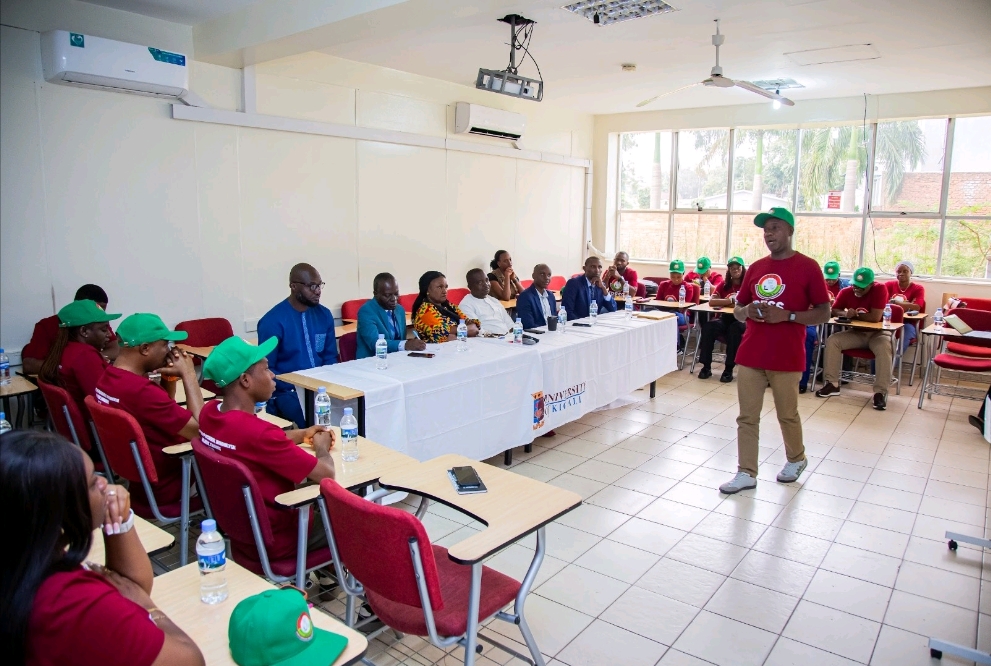
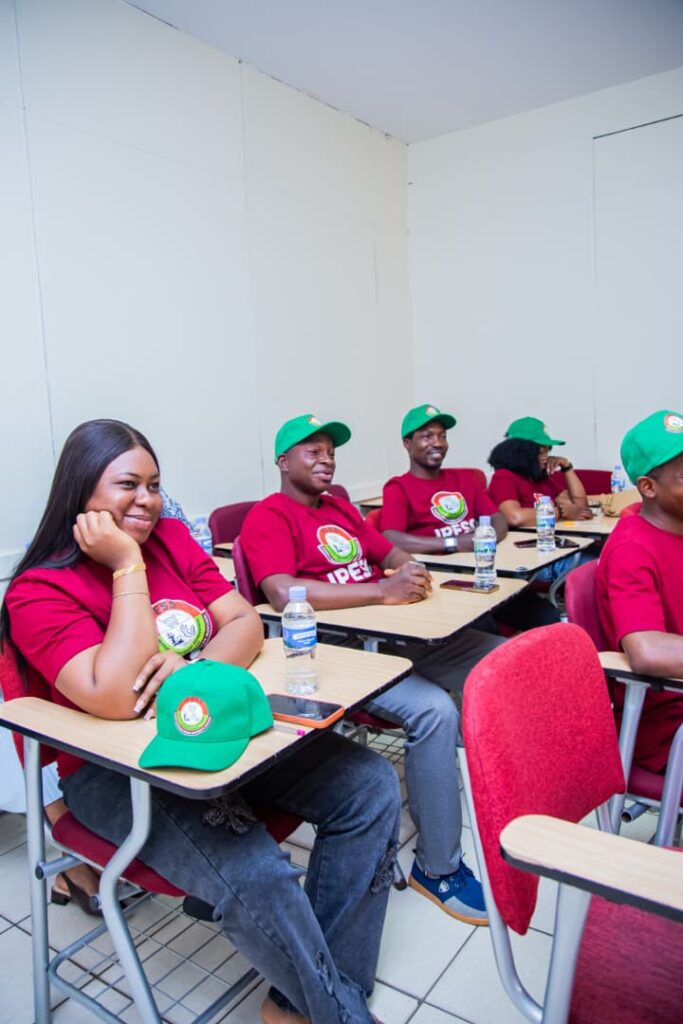
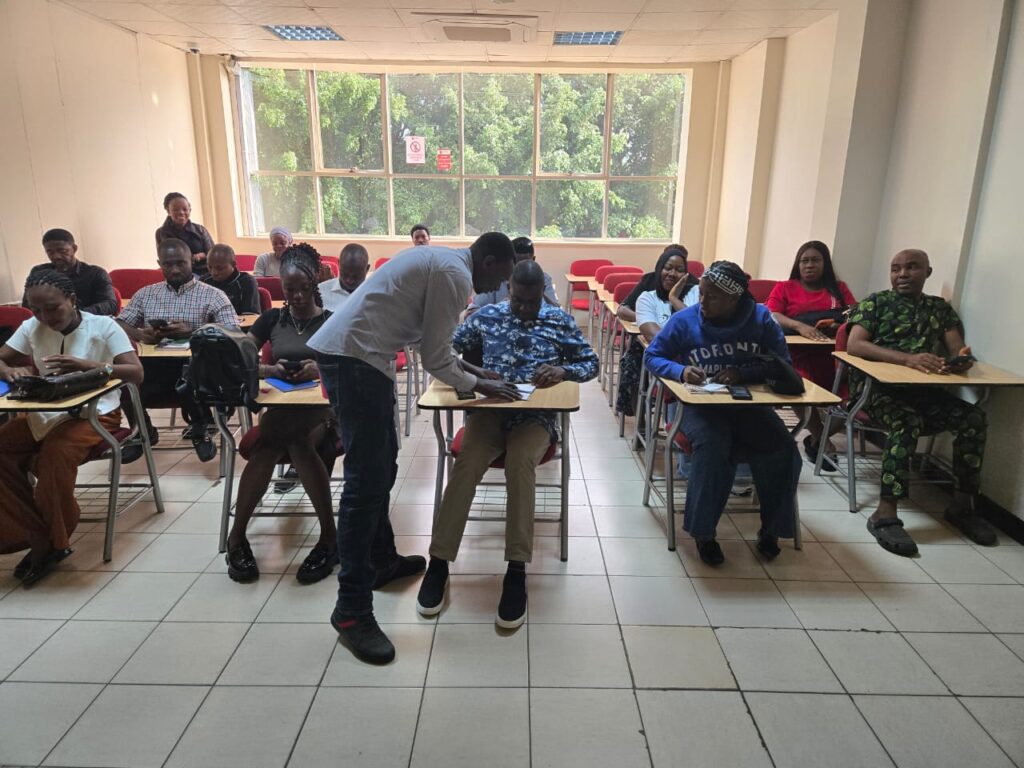
For Ugwu Pleroma Chioma of MSc. Environmental Sustainability, this experience broadened her perspectives, deepened her academic knowledge, and honed her soft skills-qualities essential for effective leadership and understanding of various concepts.
“The exchange programme was a very enriching and memorable experience for me. It allowed me to learn in a very practical way, outside the usual classroom setting. Through lectures, institutional visits, field excursions, and group activities, I gained a deeper understanding of how sustainability is being applied in real development processes. One thing that really stood out for me was how Rwanda has been intentional in connecting environmental protection, governance, and economic development in a way that is practical and visible.”
Ugwu added that visiting different institutions and projects helped her to improve her understanding of concepts such as sustainable procurement, environmental governance, ecosystem restoration, local sourcing, and public sector development. These, according to her, were no longer just academic ideas; they became real and easy to relate to.
Ungwa Aondover, David Serah and Kuburat Bakare of Procurement Management submitted that the benefits of the exchange programme extend far beyond individual participants and pledged to become ambassadors of change, sharing their newly acquired knowledge and perspectives with peers, faculty, and local communities.
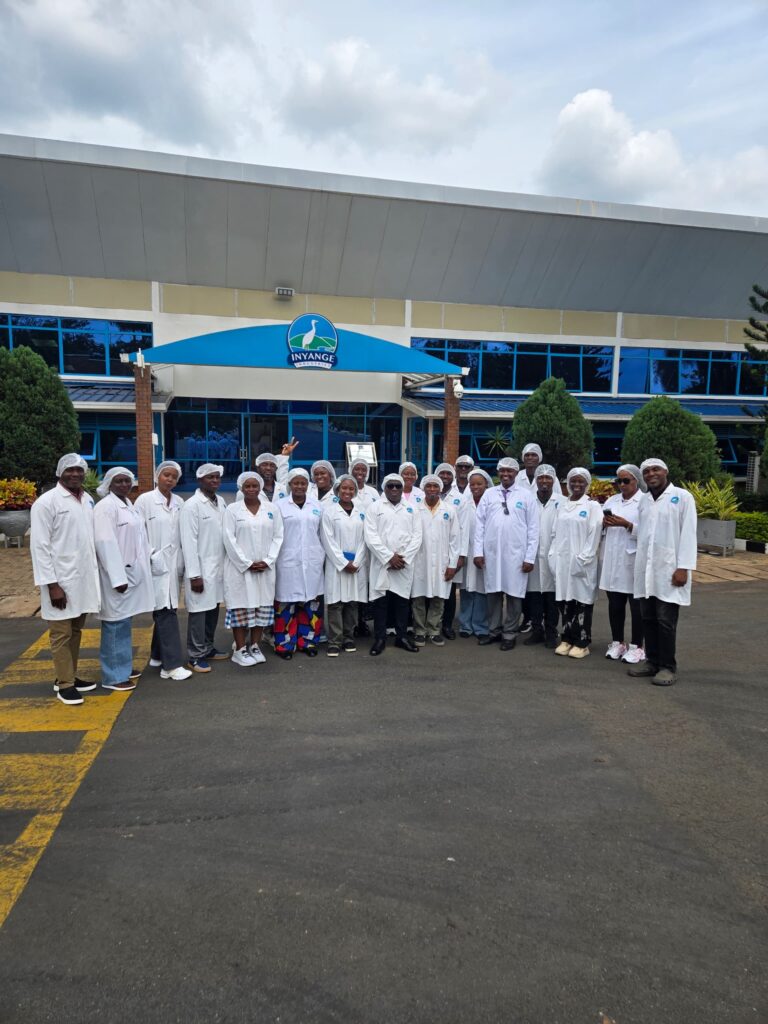
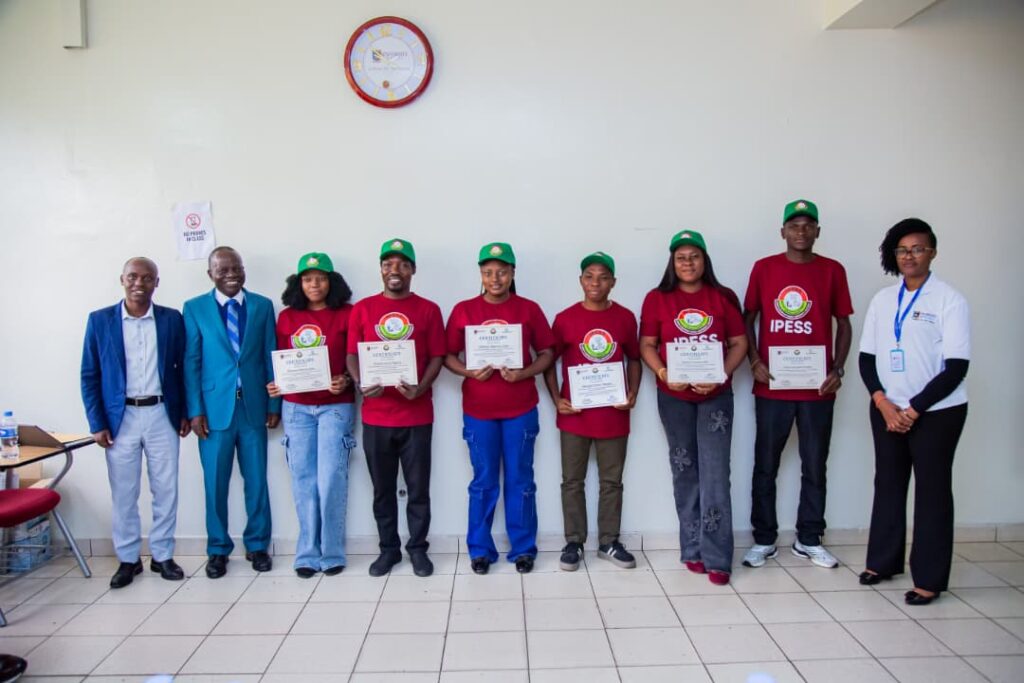
“For me, and I believe the same for many who have benefited from this opportunity, the student exchange programme is an ample opportunity that unveils students’ hands-on experience on sustainable practices in the areas of procurement, social development and environmental sustainability in an integrated fashion. During this programme, I was exposed to unmatched e-procurement platforms enforced by the government of Rwanda, where procurement activities/ processes are tracked in real time to ensure transparency, accountability, and overall improvement in governance, bearing in mind that procurement occupies a major percentage of the government budget.” Ungwa Aondover said.
Others, like Edu Rosemary and Atser Torkuma, of the Department of Sustainable Social Development, found the student exchange programme informative and an opportunity to learn the tenets of participatory governance as practised in Rwanda, where citizens are actively involved in decision-making processes from the grassroots to the state and federal levels. They called on the Nigerian State to emulate Rwanda. “Nigeria has good policies, but implementation, enforcement, and monitoring are areas where we fall short. Appropriate measures should be taken to address these challenges.” Atser Torkuma wrote.
With this cohort, IPESS JOSTUM has now successfully supported 32 students through overseas exchange courses, bolstering its position as a centre of excellence for globally relevant and practice-oriented education.
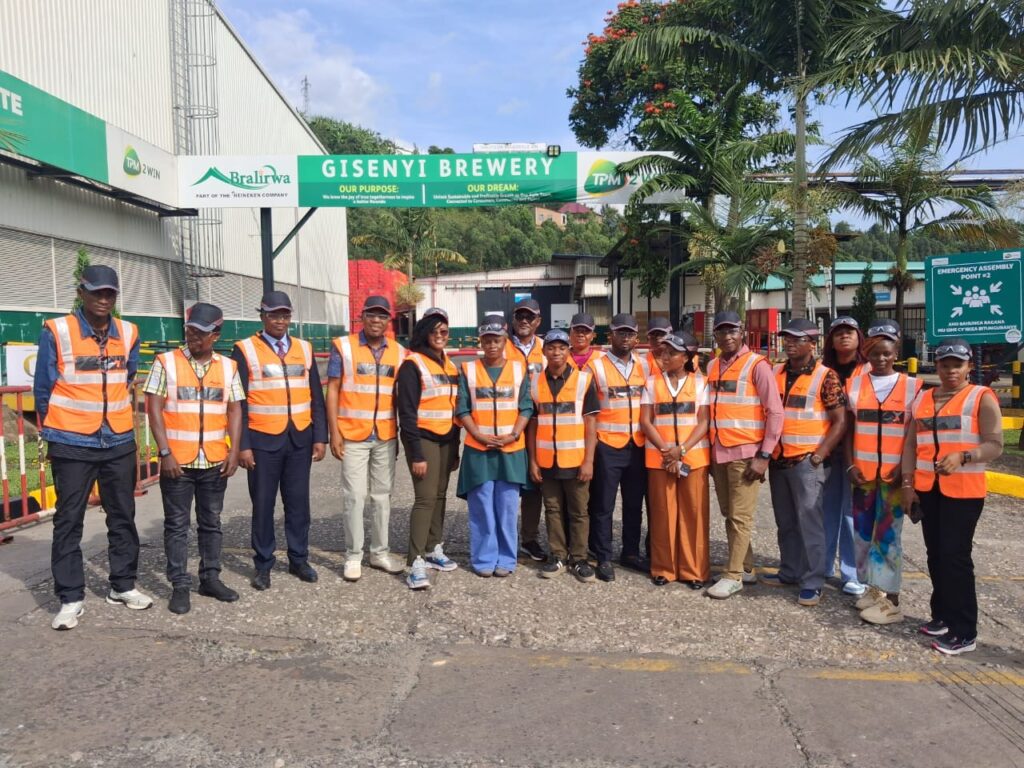
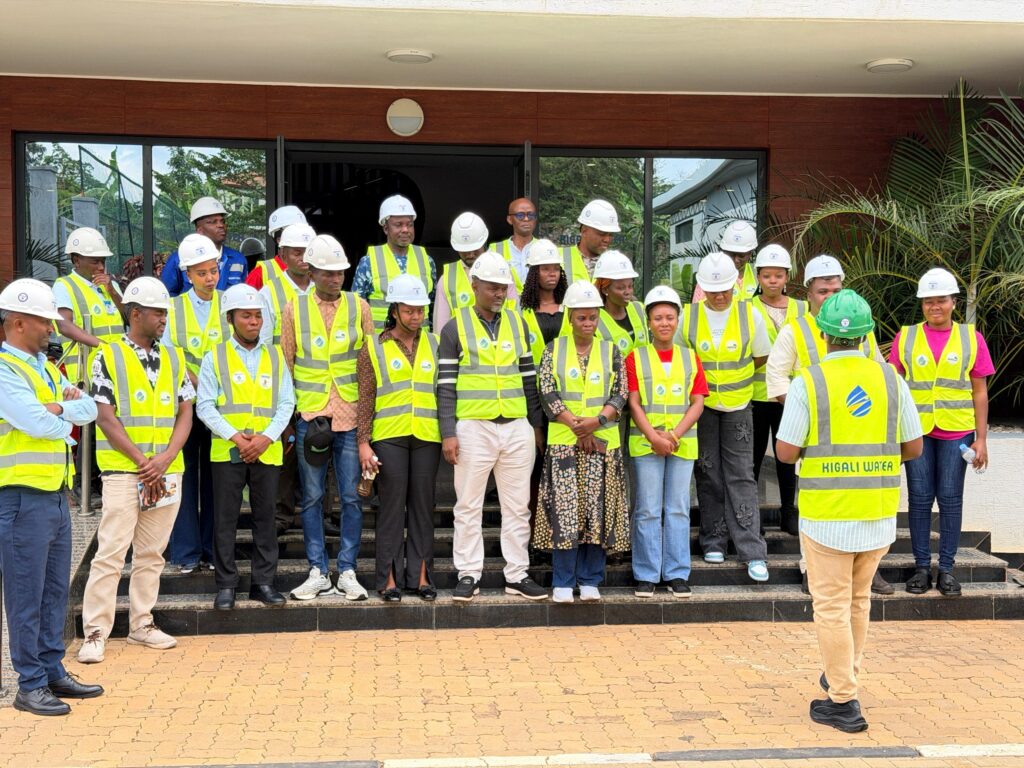
The international student exchange programme between IPESS JOSTUM and the University of Kigali is a great example of how African universities may collaborate to develop future leaders. By focusing on the personal and professional development of its students, IPESS JOSTUM is preparing the ground for a new generation of innovators, problem-solvers and changemakers who will define the future of Africa. And as these students go home, they carry with them not only academic accomplishments, but a new sense of purpose and the drive to make a difference.
What is obvious as Africa’s future emerges is that leadership is not about position; it’s about passion, perspective, and the capacity to spark change-traits. IPESS JOSTUM is cultivating one student at a time.