


By Hannah Musa
The Nigerian Research and Education Network (NgREN) has concluded Phase 1 of its Institutional Onboarding Workshop under the NgREN Identity Federation (NgRENID) Capacity Building Programme, marking a significant milestone in strengthening secure digital identity management and expanding Nigerian institutions’ access to global research and education services.
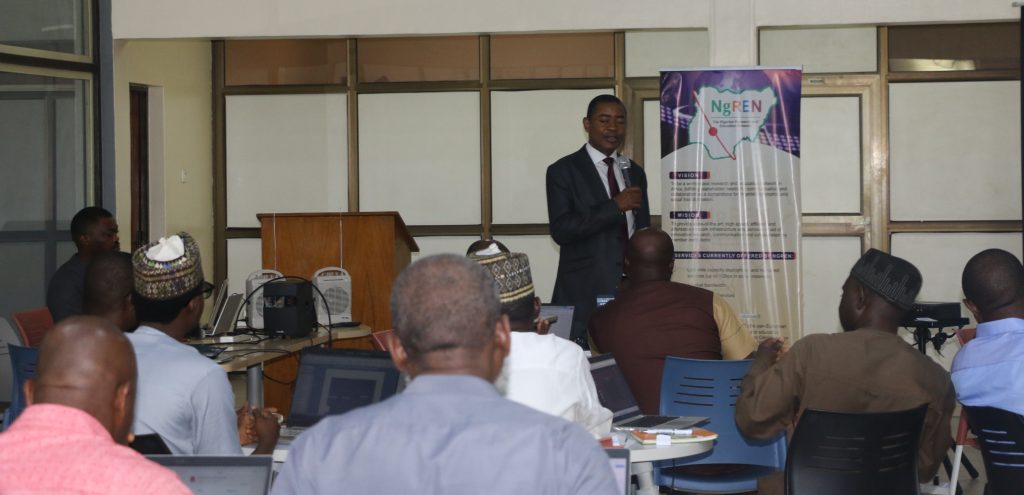
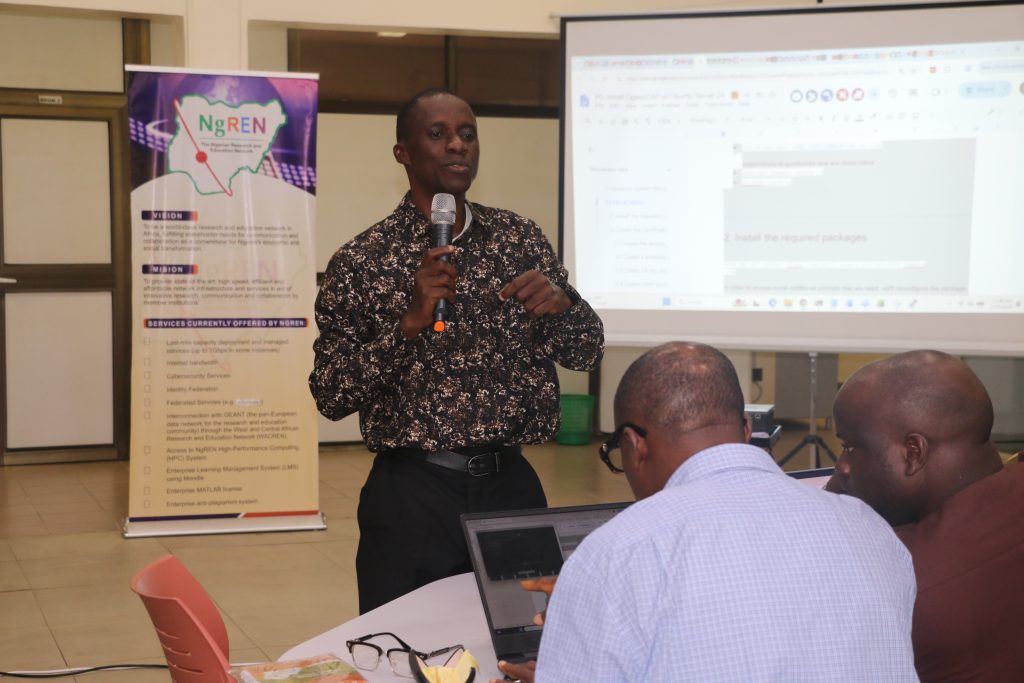
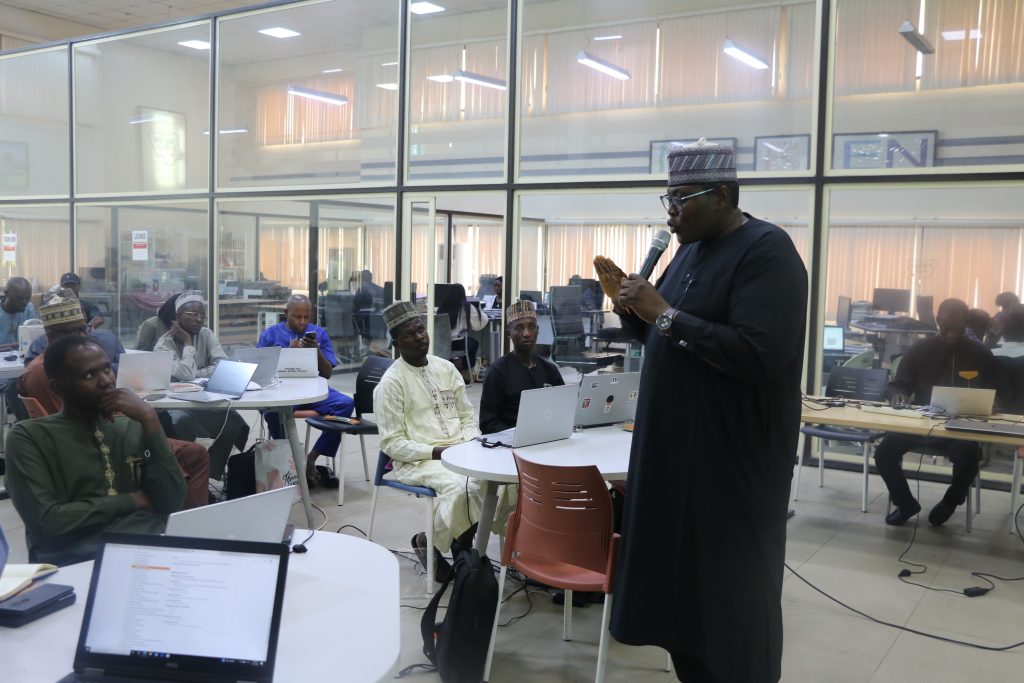
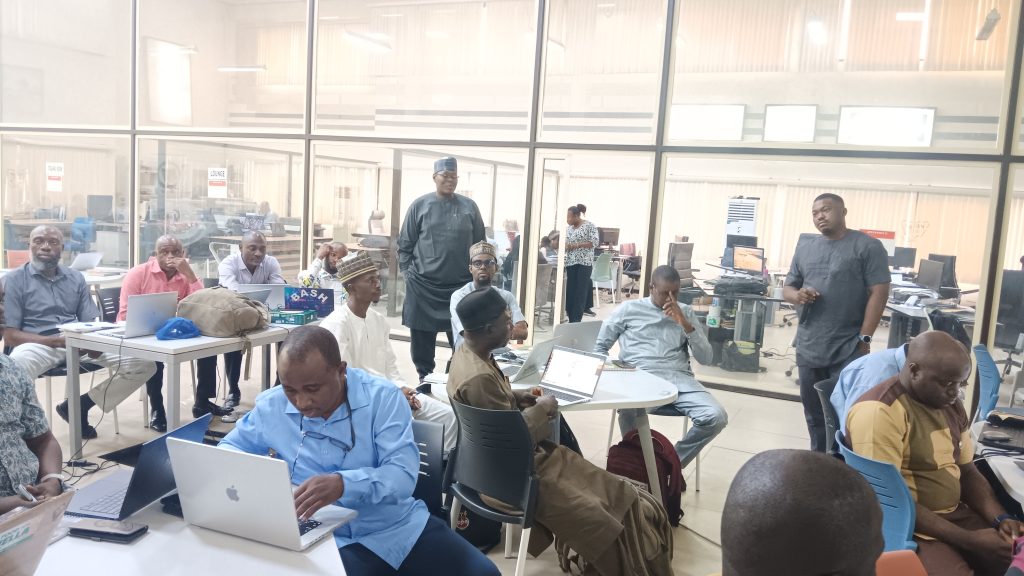
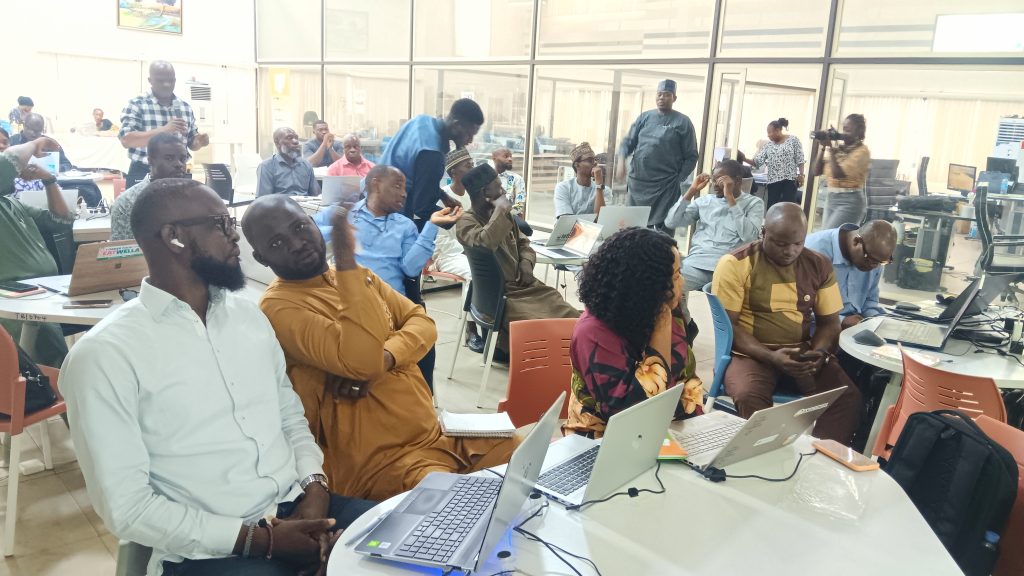
Phase one of the programme, which had three different batches train for two days each, equipped technical personnel from participating institutions with the knowledge and practical skills needed to onboard to NgRENID. Information and Communication Technology professionals from universities and other NgREN-connected institutions took part in intensive technical sessions covering identity federation technologies and their implementation.
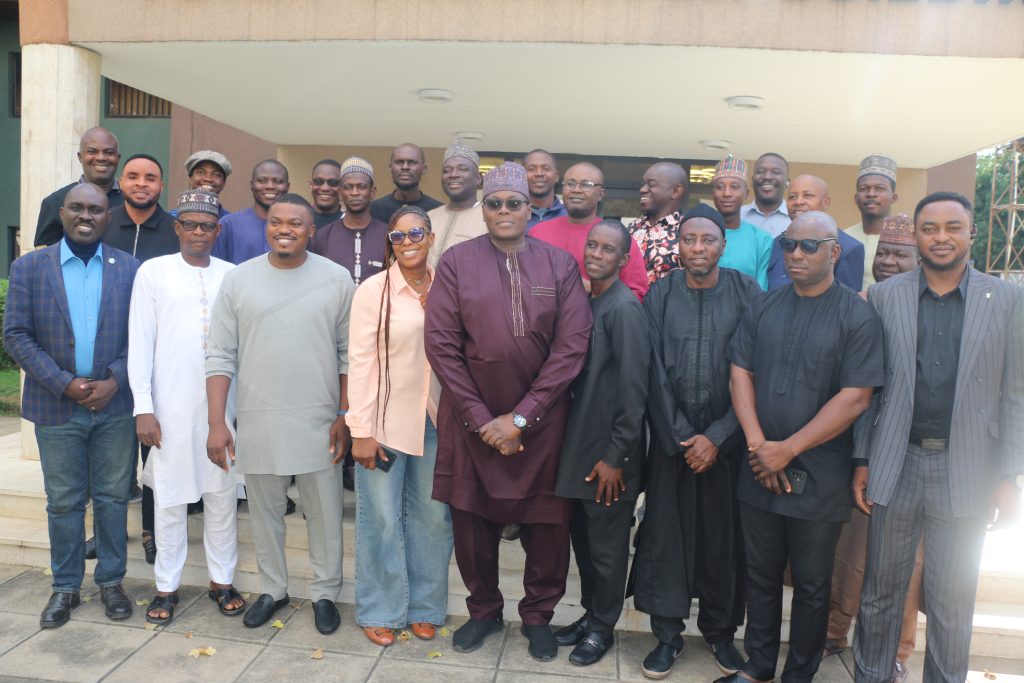
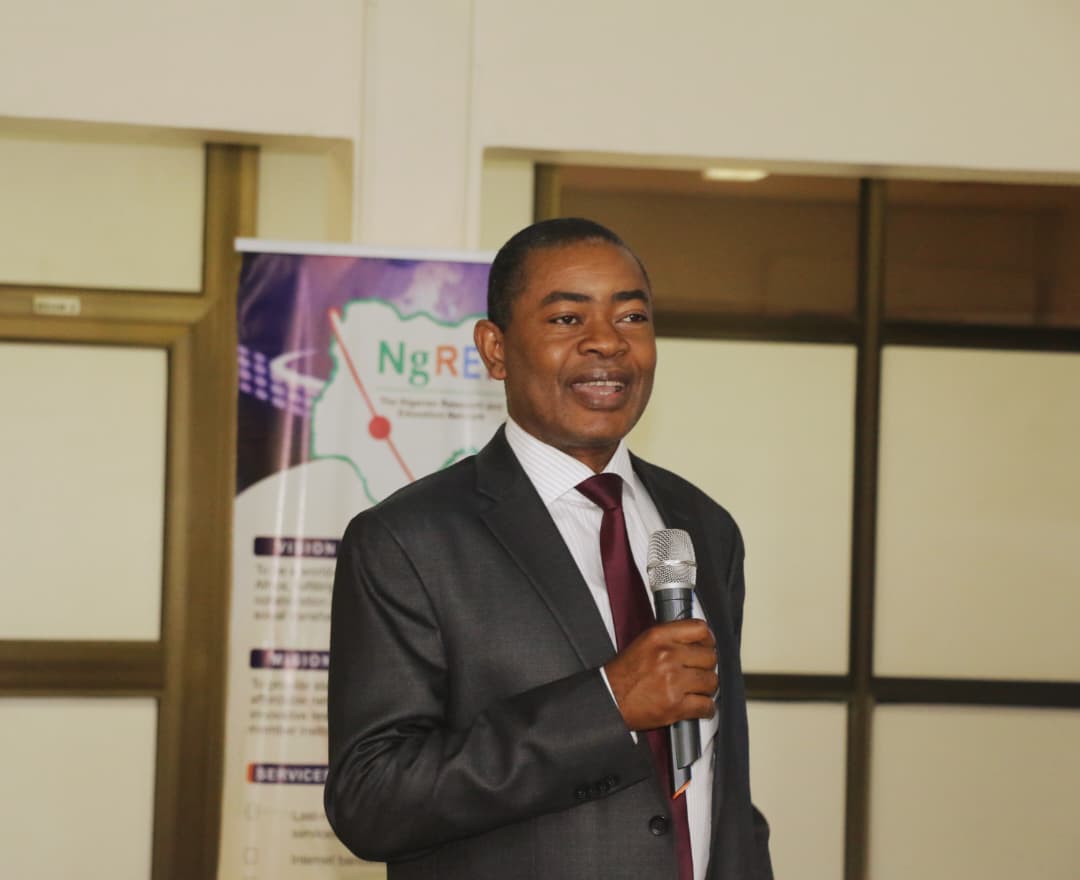
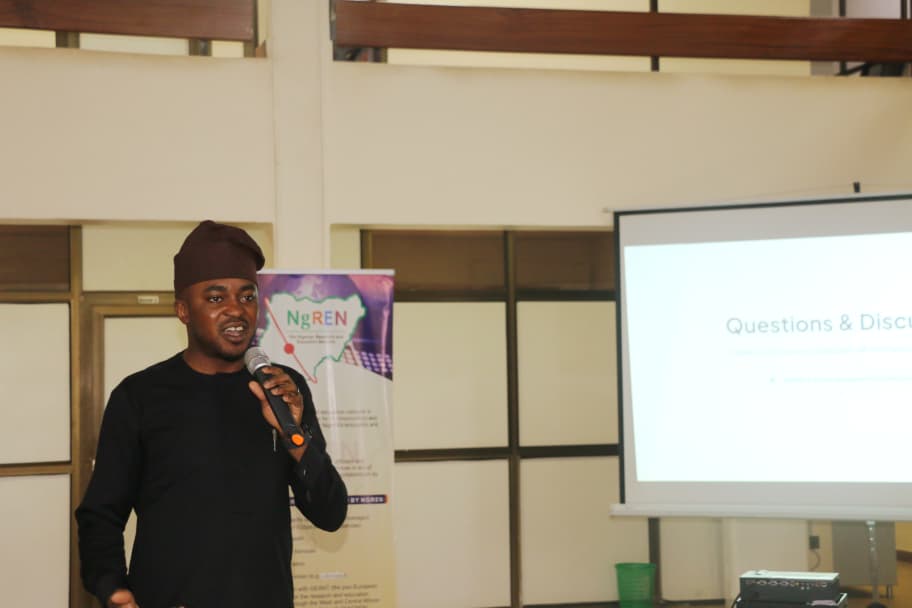
In an opening remark, NgREN Programme Coordinator Dr Joshua Atah, who joined participants and members of the NgREN technical team for Batch 1 of the training, emphasised the network’s commitment to building institutional capacity for secure digital identity management across Nigeria’s higher education sector.
He explained that the workshop is in furtherance of the Federal Government’s commitment to strengthening digital infrastructure and connectivity across Nigerian Higher Education Institutions. This, he said, is part of preparations for onboarding beneficiary institutions (basic, secondary and tertiary) to the NgREN, which has reached an advanced stage.
“This workshop is part of the onboarding process and to ensure timely execution of the project”, Atah said.

Seventy (70) participants from thirty-eight (38) institutions received hands-on training in deploying and managing Identity Providers (IdPs), federation requirements, authentication mechanisms, metadata management, and international best practices for identity federation. The sessions were designed to prepare institutions for successful onboarding into NgRENID and to enable secure access to NgREN services and global research and education resources.
Facilitators introduced participants to the fundamentals of identity federation, explaining how trusted digital identities allow students, researchers, lecturers, and other members of the academic community to access multiple digital services using a single institutional login — simplifying authentication while strengthening institutional security and improving access to online research and learning platforms.

The workshop also covered the global identity federation ecosystem, introducing participants to GÉANT and eduGAIN, the international interfederation service connecting research and education identity federations worldwide. Through successful onboarding into NgRENID, participating institutions are now positioned to integrate with eduGAIN, giving their researchers, staff, and students secure access to thousands of trusted academic and research services globally.
Another key focus was eduroam, the global secure Wi-Fi roaming service that lets users connect to wireless networks at participating institutions using credentials issued by their home institution. Participants learned the requirements and benefits of eduroam deployment as part of NgREN’s broader vision for seamless, secure digital services across Nigeria’s research and education community.

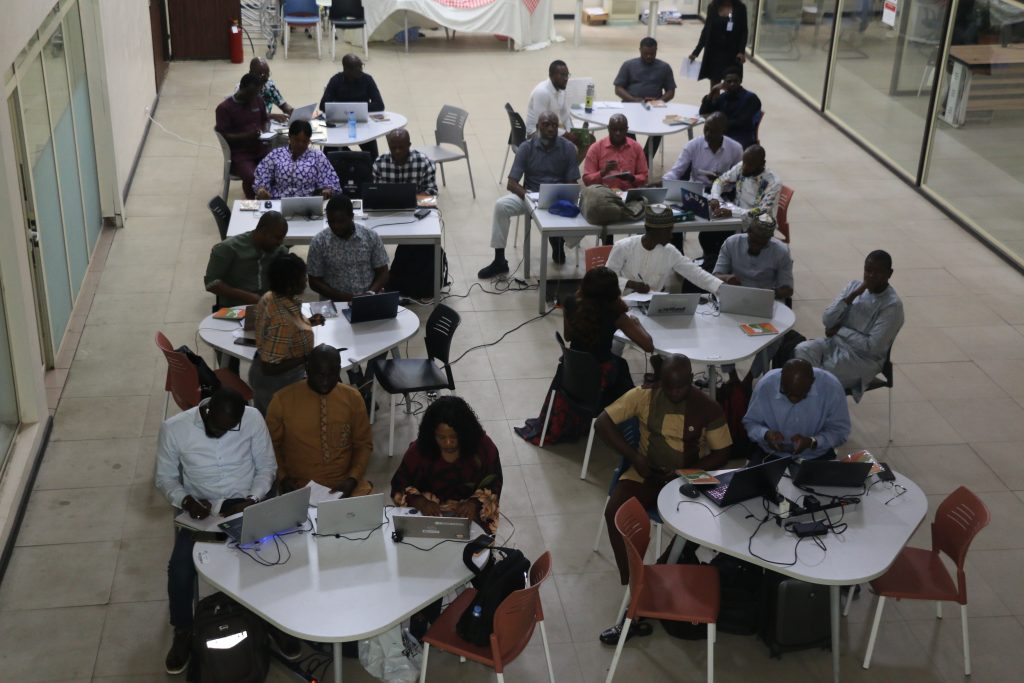
At the end of the training, participating institutions had completed Phase 1 onboarding with NgRENID, demonstrating their readiness to deploy Identity Providers to participate in Nigeria’s national identity federation.
Delivering a vote of thanks on the final day, the Director of University Research Administration at Michael Okpara University of Agriculture, Umudike, Prof. Dozie Onunkwo, described the workshop as a wonderful experience for them. On behalf of other participants and their institutions, he expressed gratitude to the NgREN team of trainers.
The programme’s success marks another step in NgREN’s mission to build a trusted national identity federation that supports secure access to digital services, strengthens institutional collaboration, and enhances Nigeria’s participation in the global research and education community.
As more institutions are onboarded in subsequent phases, NgRENID is expected to play a central role in advancing digital transformation across Nigeria’s higher education sector — providing secure, interoperable identity infrastructure to support research, innovation, teaching, and international collaboration for years to come.