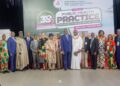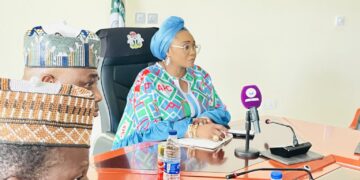



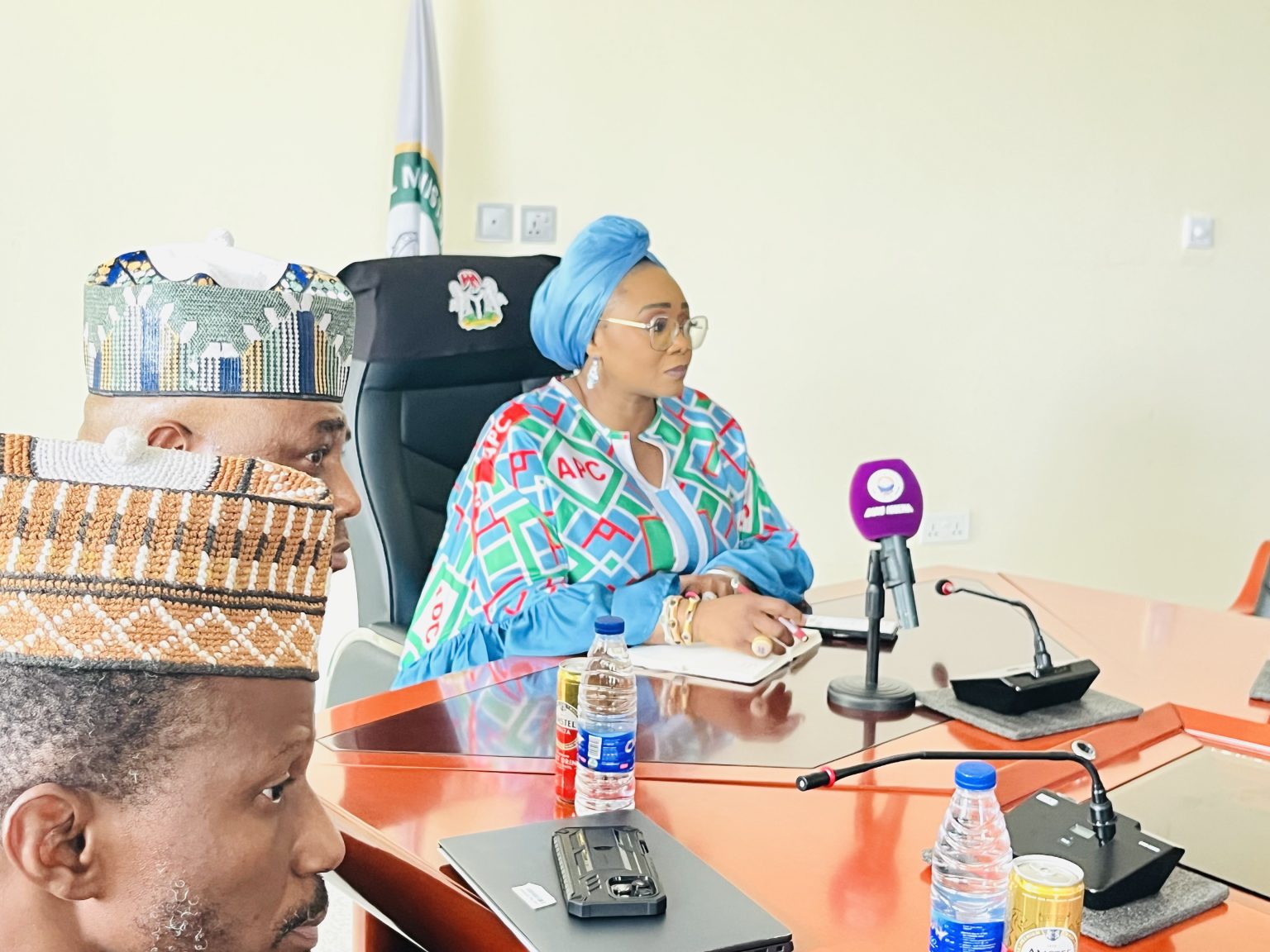
The Honourable Minister of Women Affairs and Social Development, Hajiya Imaan Sulaiman-Ibrahim, has urged Nigerians, particularly young professionals and those seeking career advancement, to take advantage of the Sustainable Procurement, Environmental and Social Standards Enhancement (SPESSE) Project.
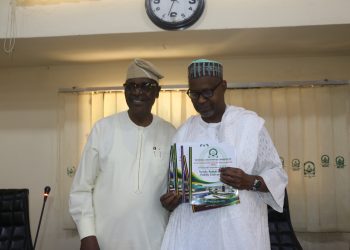
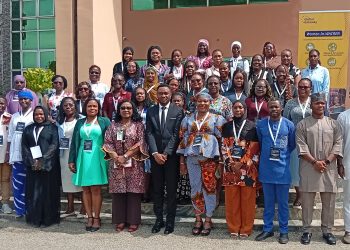
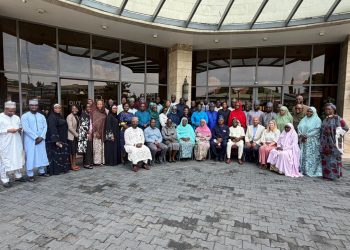
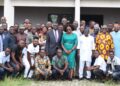
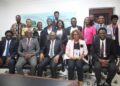
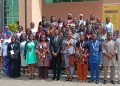
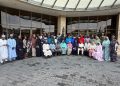
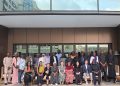
The Minister, who stated this during the 2026 Project Implementation Support Mission to the ministry by a combined team of the World Bank and the National Universities Commission (NUC), noted that participating universities currently offer short-term, undergraduate and postgraduate courses free of charge through government-supported scholarships.
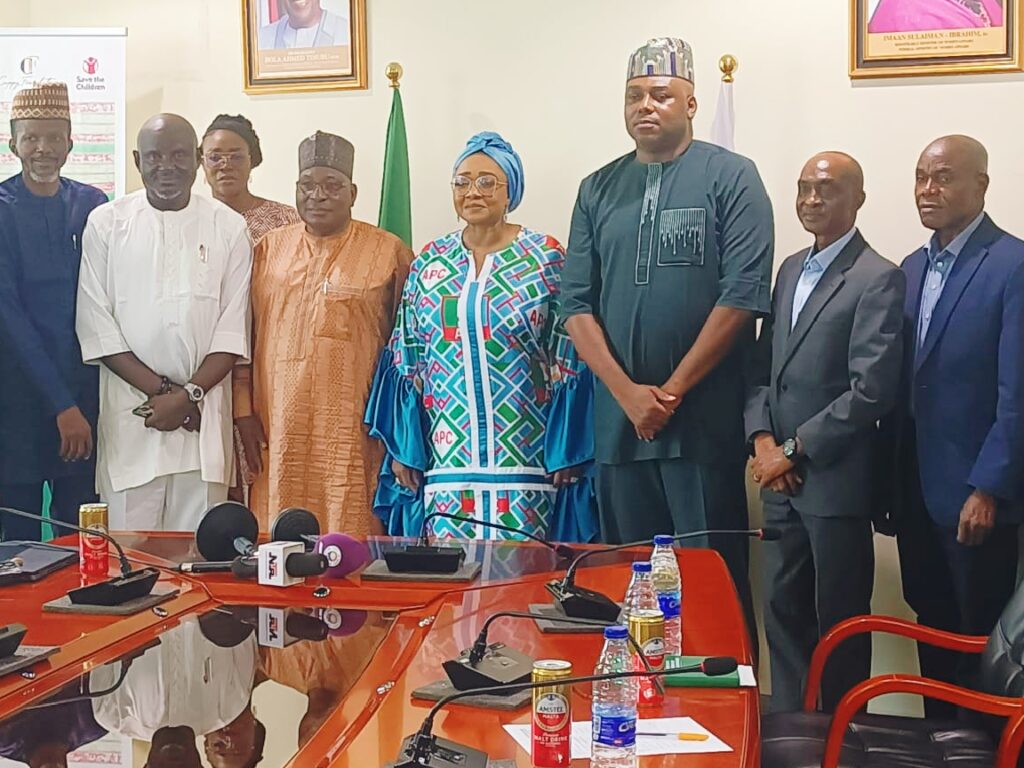
Reaffirming the Federal Government of Nigeria’s commitment to strengthening institutional capacity and developing a highly skilled workforce across critical sectors, she described the SPESSE Project as a transformative and legacy programme designed to build professional capacity in procurement, environmental management, and social development, while enhancing governance, sustainable development, and service delivery across Nigeria.
Hajiya Imaan Sulaiman-Ibrahim emphasised the strategic importance of investing in human capital and building a professional social workforce capable of addressing emerging social challenges and strengthening social protection systems nationwide.
“It is important that we strengthen our social workforce as a country. This will complement President Bola Ahmed Tinubu’s agenda for the care economy and help build a stronger social protection system,” the Minister stated.
She noted that the project cuts across several sectors, including Women Affairs, Social Development, Housing and Urban Development, Labour, Environmental Management, and Government Procurement Systems, making it one of the most impactful capacity-building initiatives currently being implemented in the country.
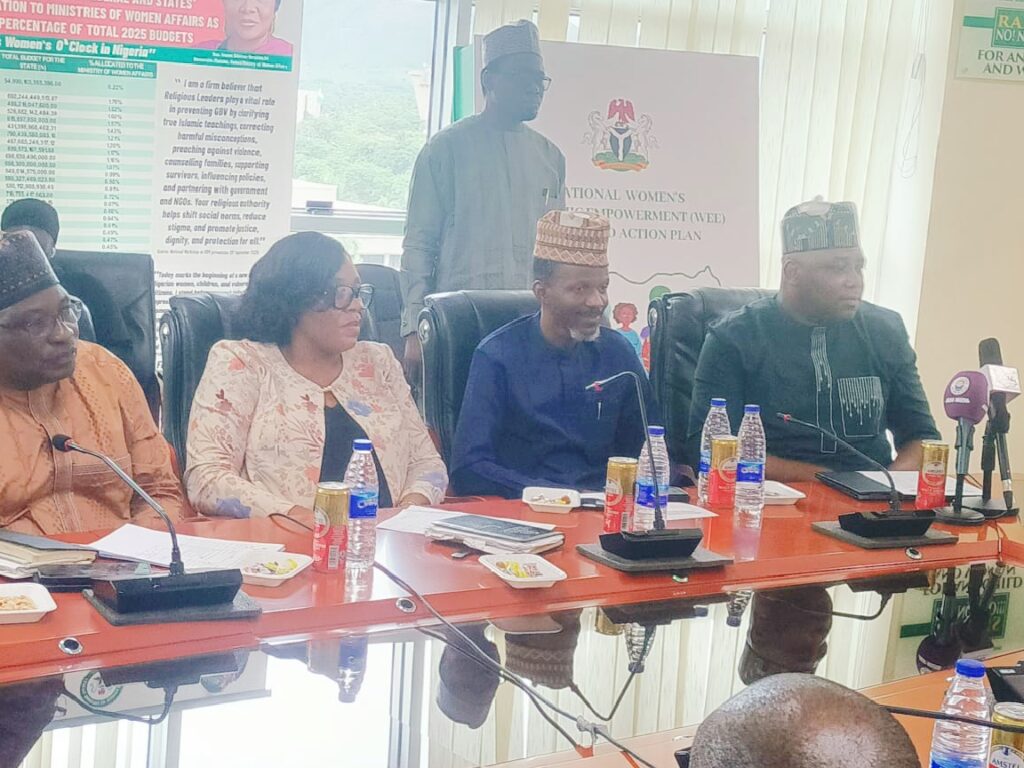
According to her, the mission provided an opportunity to assess implementation progress, identify lessons learned, and chart a clear path for the next phase of the project.
“SPESSE is a legacy programme with far-reaching impact. It is helping to strengthen social service delivery and institutional systems through skills development while building the professional workforce needed to improve outcomes across sectors,” she added.
Also speaking, Senior Social Development Specialist at the World Bank and SPESSE Co-Task Team Lead, Michael Illesanmi, reiterated that the project was established to strengthen institutional capacity in procurement, environmental management, and social development by creating a pool of highly skilled professionals across the public and private sectors.
“The objective of SPESSE is to build competent professionals who can support governance reforms, sustainable development initiatives, and improved service delivery across Nigeria,” Illesanmi stated.
He explained that six Centres of Excellence have been established in universities across Nigeria’s six geopolitical zones to facilitate specialised training and knowledge development.
The institutions include Ahmadu Bello University, Zaria; Abubakar Tafawa Balewa University, Bauchi; Joseph Sarwuan Tarka University, Makurdi; Federal University of Technology, Owerri; University of Benin; and the University of Lagos.
Illesanmi further reiterated that all courses offered under the programme are fully funded through government scholarships and are available to students, professionals, and individuals seeking career growth in the public, private, and non-profit sectors.
“These sectors are critical to national development, and the programme is open to anyone interested in acquiring the skills required to drive sustainable growth and institutional excellence,” he said.
Speaking further, he said the SPESSE project continues to serve as a strategic intervention to equip Nigerians with the technical expertise and professional workforce needed to strengthen governance structures, improve public-sector efficiency, and deliver sustainable development outcomes.
Earlier, the SPESSE Project Coordinator in the Ministry of Women Affairs and Social Development, Mr Benjamin Okwesa, who also represented the Permanent Secretary of the Ministry, Mrs Esuabana Nko Asanxe, explained that the World Bank delegation visited to review implementation progress and discuss future actions required to maximise the project’s impact.
“The support implementation mission provides an important platform to evaluate achievements, address emerging challenges, and outline the next steps necessary for successful project delivery,” Okwesa said.