





By Lydia Legbo
The African Centre of Excellence for Mycotoxin and Food Safety (ACEMFS), Federal University of Technology, (FUT) Minna, is leading the efforts at developing food safety guidelines for stakeholders in the kunun-zaki value chain.
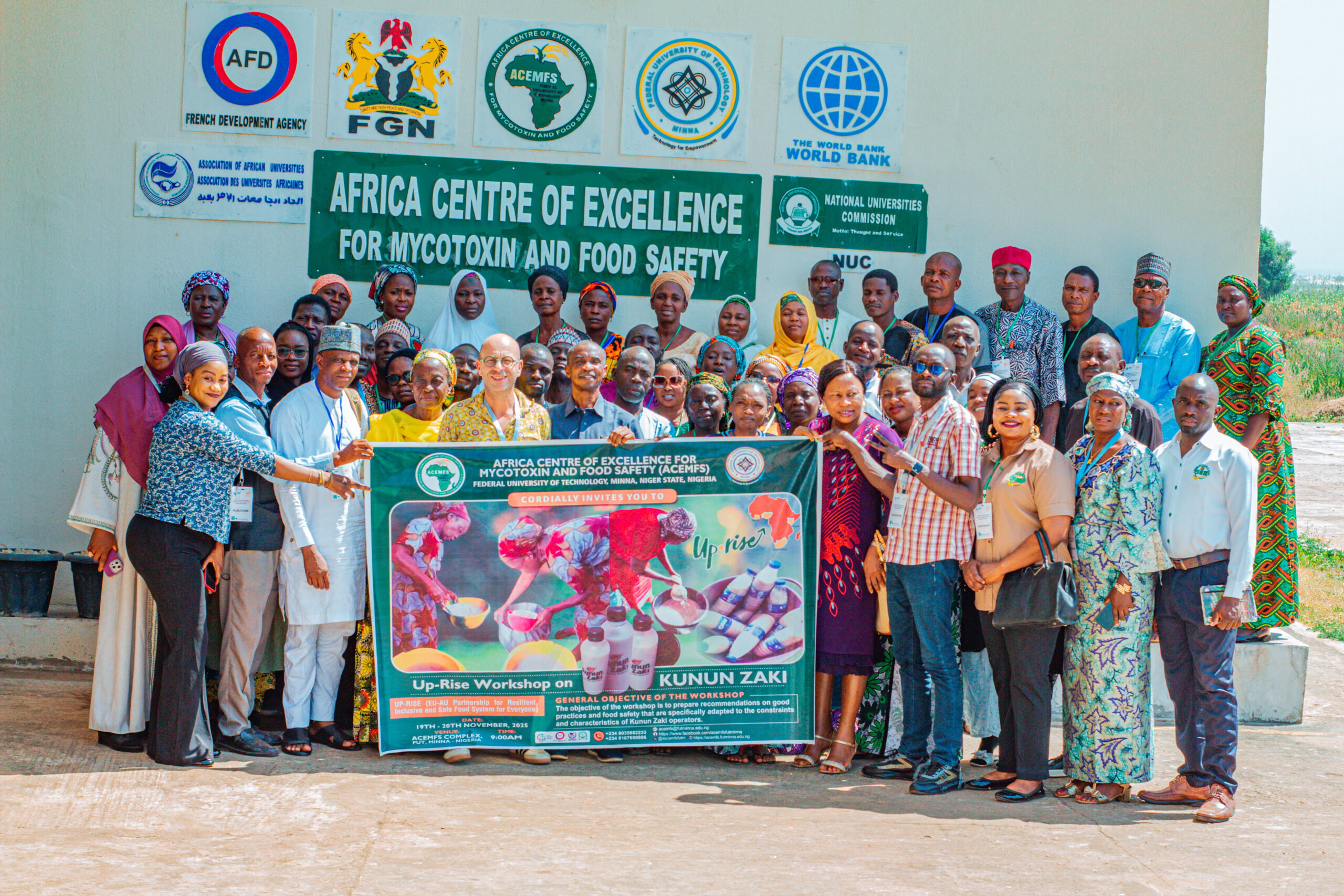
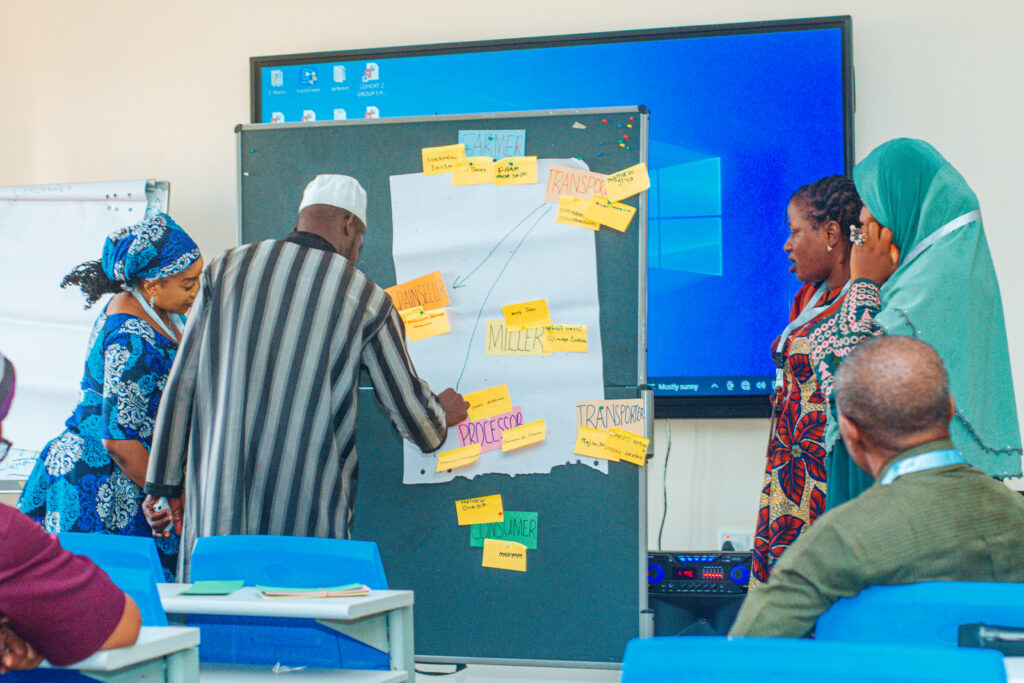
The two-day co-creation workshop, which took place on 19th-20th November at the ACEMFS Complex, brought together farmers, processors, millers, transporters, traders, regulators, and technical experts to jointly design practical recommendations that will enhance the safety of the widely consumed local beverage.
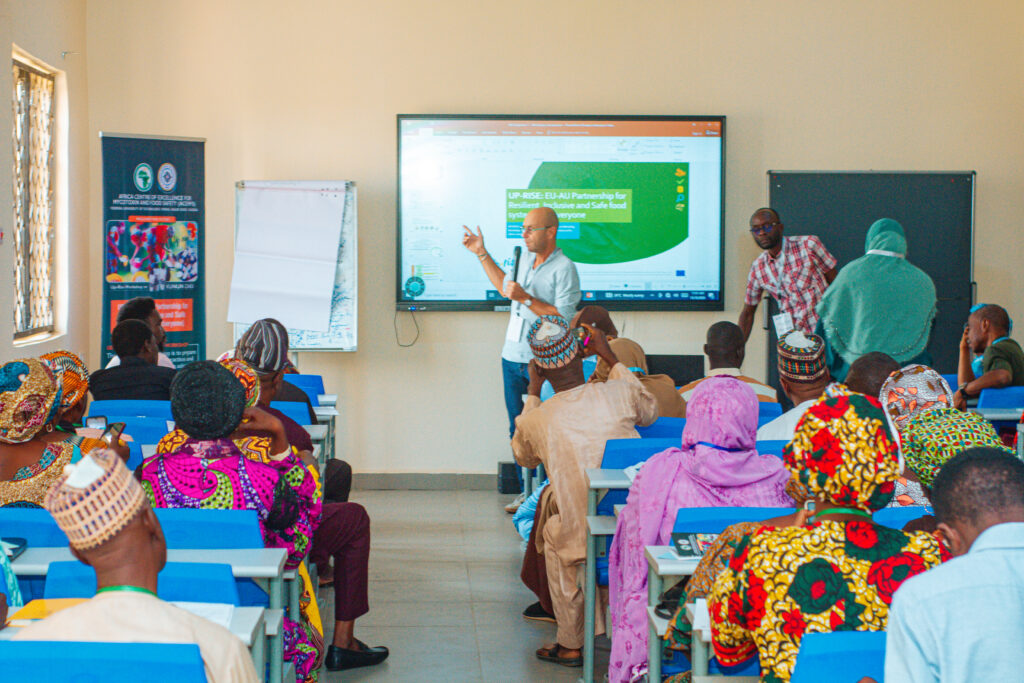
Speaking during the opening session, the Centre Leader of ACEMFS, Prof. Hussaini Makun, provided an overview of the UP-RISE project and highlighted the public health risks associated with mycotoxin contamination in food.
According to him, many illnesses in Nigeria originate from contaminated foods, particularly grains such as maize, millet, sorghum, beans, and groundnuts, which often harbour toxic fungi. He explained that fungi produce poisonous substances known as mycotoxins, including aflatoxins, which can infiltrate kunun-zaki during production since the beverage relies heavily on grains prone to contamination. Mycotoxins, Prof. Makun warned, have been linked to liver cancer, kidney failure, lung diseases, vomiting, and infertility in both men and women.
“The goal of the project is to ensure that kunun-zaki produced across the country is either free of mycotoxins or contains them only at safe levels,” he stated. He further noted that contamination does not occur only in the grains themselves but also through grasses and chemical inputs used on farms.
Prof. Makun disclosed that the UP-RISE project, funded under the European Union’s Horizon 2020 programme, was secured through a €5 million grant awarded to a consortium of ACEMFS and eleven international institutions. The proposal was led by Prof. Sarah De Saeger of Ghent University, Belgium, with partners from Italy, France, the Netherlands, Benin, Côte d’Ivoire, Kenya, South Africa, and Belgium.
In her welcome remarks, the Value Chain Team Lead, Prof. Abigail Jirgi, described the workshop as a strategic platform that unites all actors along the kunun-zaki production chain. She stressed that effective food safety improvement can only be achieved through shared knowledge, participatory engagement and inclusive decision making.
“The contributions from this workshop will serve as the foundation for a food safety manual for the kunun-zaki value chain, a tool that will guide safer practices, regulatory harmonisation and overall system improvement,” she said.
Participants engaged in interactive sessions covering value-chain mapping, context analysis, hazard identification, constraints, trade-offs, solution prototyping and action planning.
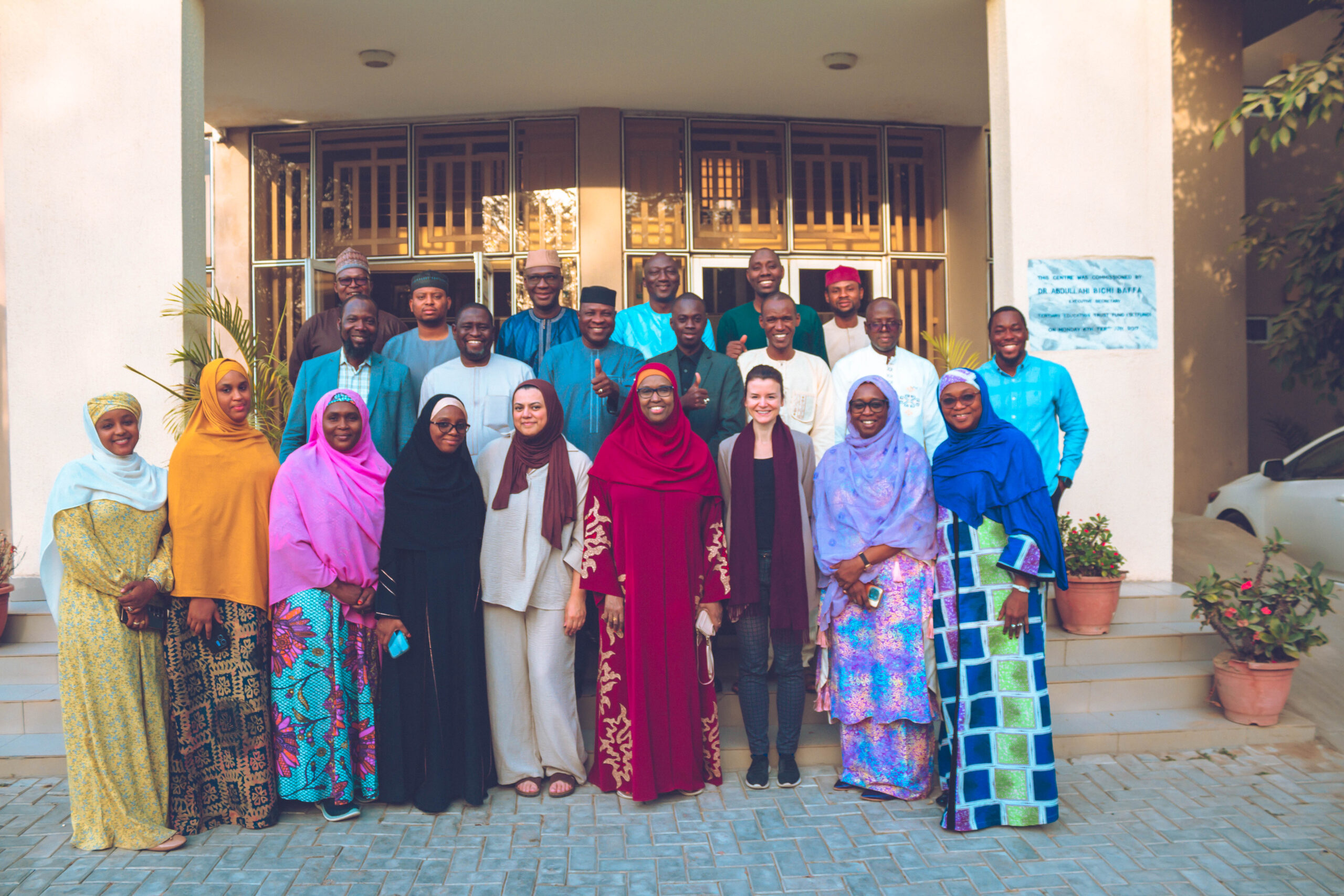
Ahead of the workshop, the ACEMFS team and one of the workshop facilitators, Dr Mathieu Well of CIRAD, France, paid a courtesy visit to the Vice-Chancellor of FUT Minna, Prof. Faruk Adamu Kuta.
Welcoming the delegation, Prof. Kuta commended CIRAD and the European Union for supporting the Centre. He cited recent cases of liver-related deaths suspected to be linked to toxin exposure, stressing the importance of research-driven solutions to food safety challenges.
The Vice-Chancellor reaffirmed the University’s commitment to supporting the project, noting that FUT Minna ranks among the top seven universities in Nigeria in research output and governance.
Prof. Makun, in his remarks during the visit, revealed that the EU-funded project has also enabled ACEMFS to develop food safety applications “by Africans for Africa,” and expressed appreciation to CIRAD for partnering with the Centre.
The UP-RISE project aims to integrate mycotoxin-related food safety measures into production, distribution, marketing, and consumption systems across Africa, ultimately strengthening the African Food Safety System (AFSS) at all levels.
In a related development, a PhD student of the Centre, Edzili Awono Antoine Thierry, has successfully defended his thesis titled “Development of a Predictive Model and Early Warning System for Climate Change Impact on Aflatoxin Contamination of Maize in Nigeria.”

The thesis defence, which took place at the Postgraduate School Board Room, FUT Minna, was chaired by his examiner, Prof. Yemisi Jeff-Agboola. It looked at the urgent threat posed by fungal contamination and mycotoxins to maize production in Nigeria. The research noted that maize, a major staple food consumed across diverse agro-ecological zones, faces increasing risks linked to climate variability, poor storage practices, and post-harvest handling.
According to him, cereals remain the dominant source of dietary energy in Sub-Saharan Africa, contributing nearly 50 per cent of daily calorie intake. Maize plays a role similar to rice and wheat in Asia. However, Nigeria’s maize production dropped to 11.05 million metric tons in the 2023/2024 season, down from 12.95 million metric tons in the previous year. Thierry attributed the decline to climate challenges and a reduction in the total area planted.
He warned that reduced output not only undermines food security but also raises concerns about the safety of maize, as humid conditions and poor post-harvest practices accelerate fungal growth. Citing FAO estimates, Thierry noted that 25 per cent of global food crops are severely affected by mycotoxins either during cultivation or storage.
Thierry emphasised that interacting climate factors like the availability of water, temperature fluctuations, and atmospheric conditions significantly influence fungal infections in crops and determine mycotoxin levels. To address this challenge, he evaluated mathematical models such as Afla-Maize, the Baranyi model, and the Pitt model, which can help farmers and policymakers predict contamination levels and implement timely interventions.
He described predictive mycology as a valuable tool for the food industry, enabling early detection and reduction of health risks, economic losses, and post-harvest waste.
Thierry concluded that fungal contamination of cereal grains remains a global challenge, negatively affecting seed quality, germination, yield, and overall nutritional value. His research recommended a science-based early warning system that can improve maize safety and strengthen food security across Nigeria.