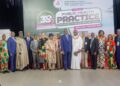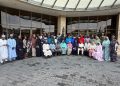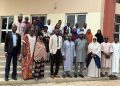



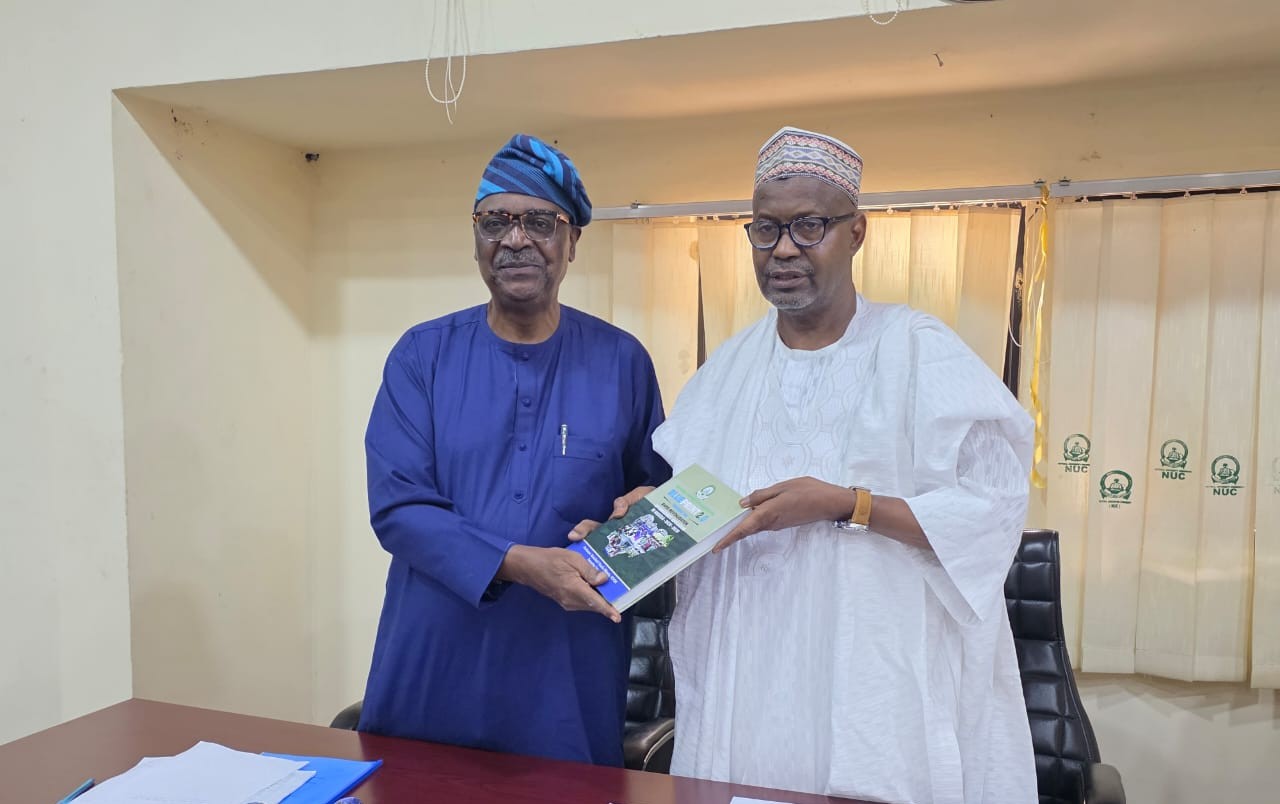
The Nigerian Universities Commission (NUC) has given assurances on the implementation of the Blueprint 2.0, a document which provides strategic direction for the revitalisation of the Nigerian Universities System (NUS) between 2026 and 2030.
The obviously elated Executive Secretary of the NUC, Prof Abdullahi Yusuf Ribadu, who made this known on Tuesday during the presentation ceremony of the document by the Policy Development and Advisory Committee (PDAC) in Abuja, said he felt fulfilled by this achievement even if he was leaving the NUC immediately. “I am proud of this document”, he said.
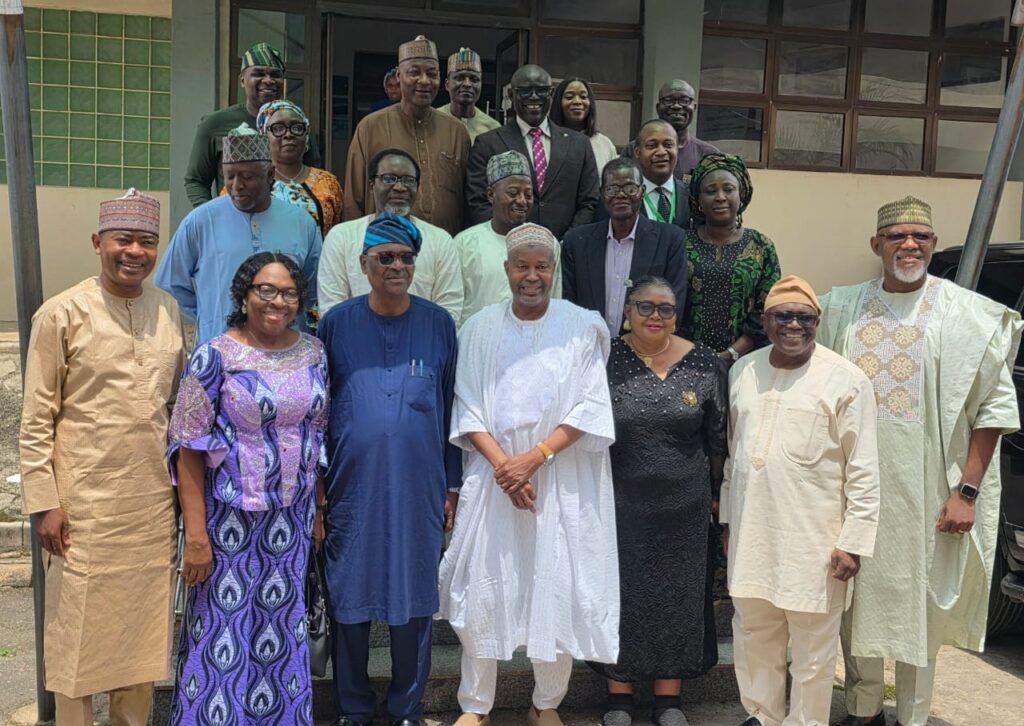
While assuring the audience that an implementation committee will be constituted to make sure the report translates into a meaningful and measurable impact on the university system, he promised to publish and publicise the document so it could receive more input and reviews from stakeholders.
He said that with their support, activities will be continuously monitored across all areas covered by the document. This will enable the NUC to report regularly to stakeholders on progress being made whilst making adjustments where necessary. “We look forward to the support and partnership of everyone as we work towards building a University System that is ideal for the goals of our nation. Given the extensive attention they received, there is a need for Nigerian Universities to equip the youth with the capacity for wealth creation and self-reliance.”
He expressed appreciation to members of PDAC for the depth of their work, describing it as a milestone achievement. According to him, “this is service to Nigeria and the NUS.”
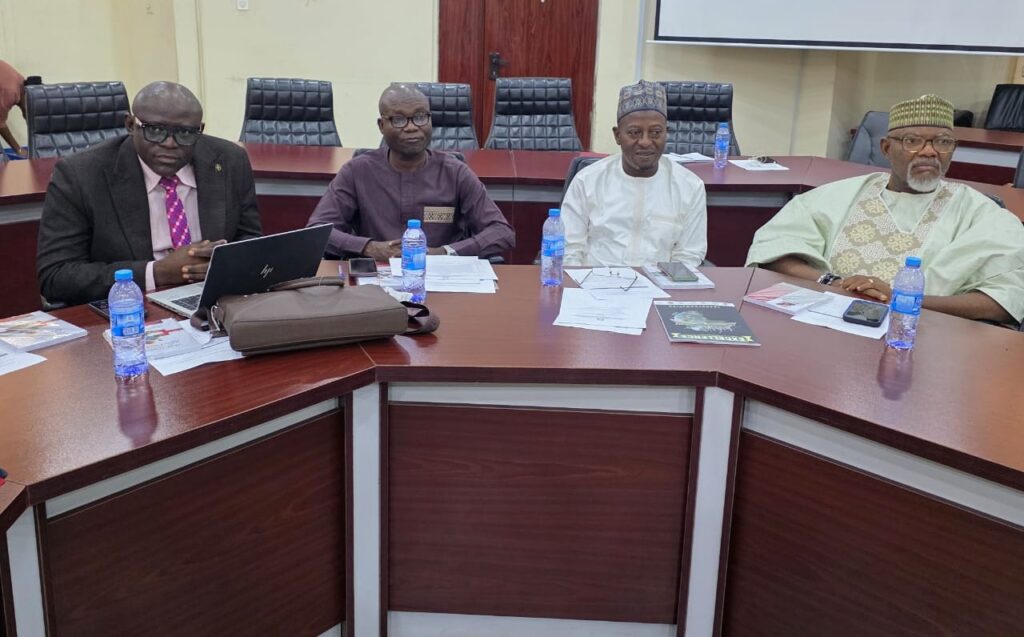
Chairman of PDAC, Emeritus Professor Olufemi Bamiro, expressed confidence in Prof Ribadu’s ability to implement the recommendations. “This commitment has been the encouragement for members of PDAC”, he emphasised.
With 13 carefully crafted chapters, each led by distinguished reviewers drawn from across the NUS, Prof Bamiro said the Blueprint 2.0 provides a comprehensive roadmap for reform. “It addresses pressing issues such as access, curriculum reengineering, modernisation of facilities, staffing, graduate employability, research productivity, governance, funding, ICT integration, gender equity, and harnessing of innovation for wealth creation. By drawing on the expertise of our academics, administrators, and other critical stakeholders within the NUS, the Blueprint 2.0 ensures that solutions are grounded in the lived realities of Nigerian universities.”
While presenting the document to the NUC, he informed that the committee has also identified other issues to be further addressed. They include the needs assessment of public universities, the Nigeria Labour Market Observatory, improved funding for the NUC to cover expanded responsibilities, long-term self-financing for universities, determining priorities for TETFund interventions, internationalisation of Nigerian universities, a funding mechanism for research, development, and innovation systems, and governance of federal universities.
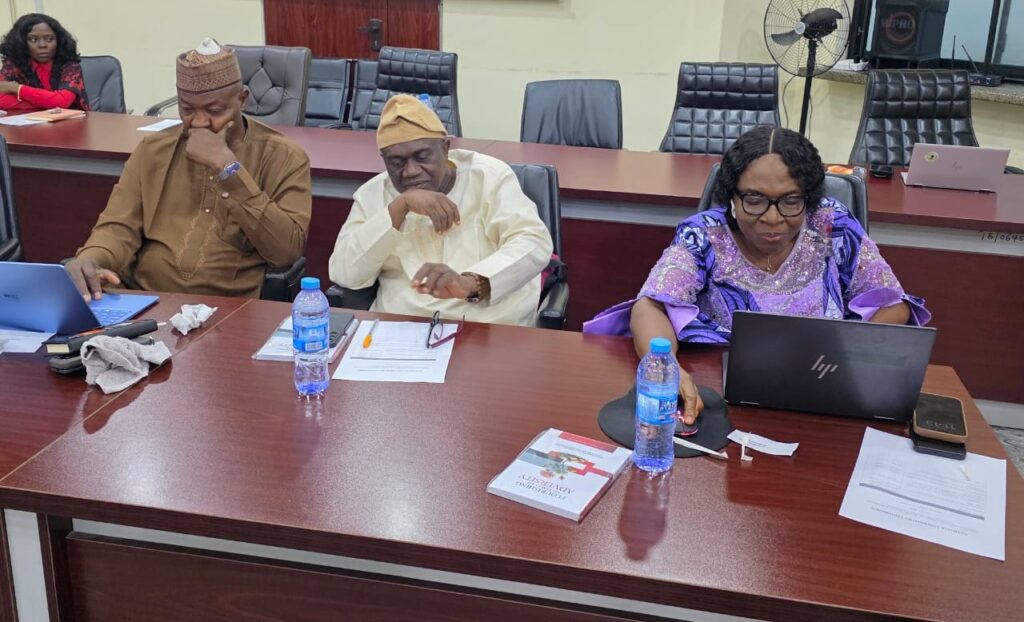
Member of PDAC and Director of Special Projects of the NUC, Dr Joshua Atah, expressed gratitude to the Executive Secretary for the opportunity given to members of PDAC to be part of history.
He urged stakeholders to ensure that recommendations in the documents are implemented to improve the NUS.
“What gladdens my heart is that this Executive Secretary is very committed to the implementation of these reforms.
This Blueprint 2.0 will not be kept somewhere on the shelf but will be used to improve the NUS”, he assured.
The Blueprint 2.0 is designed to serve as a roadmap for policymakers, regulators, institutions, and stakeholders, ensuring that every reform effort is coherent, coordinated, and impactful.
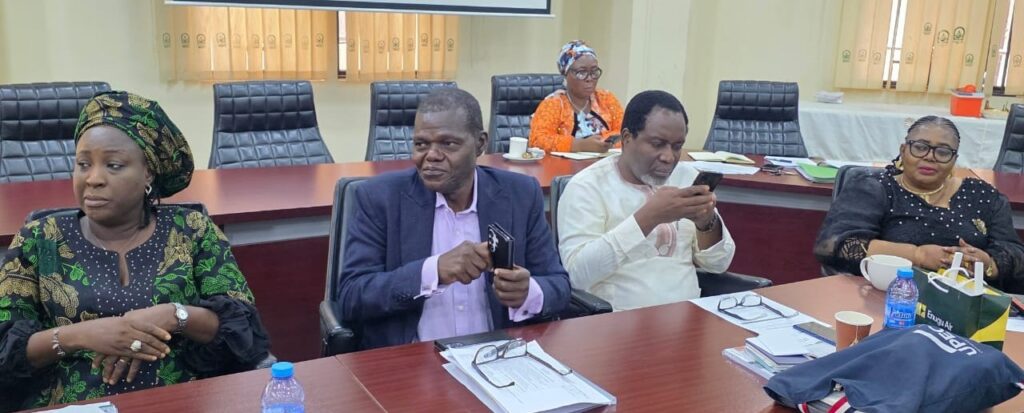
Members of PDAC are: Emeritus Professor Olufemi Bamiro (Chairman), Prof. Junaidu Kabir, Prof. Garba Aliyu Babaji, Prof. Michael Faborode, Prof. Sagir Adamu Abbas, Prof. Dickson Musa, Prof. Benjamin Ugheoke, Prof. Suleiman D. Abdul, Prof. Gloria Chukwudebe, Prof. Emenike Ejiogu, Prof. Josephine A.A. Agbonika SAN, Dr Noel Biodun Saliu, Dr Joshua Atah, Engr. Abraham Chundusu, Mr Abubakar Girei, Dr Funmilayo Morebise, Mr Paschal Eruaga and Dr Kenneth Uwah (Secretary).